What Comes After Minimalism: Using Architectural Slat Wood Panels to Restore Structure
Minimalism created rooms that feel calm, open, and deliberate. It taught us to value restraint and to trust proportion over decoration. In many interiors, that discipline has already done its work.
As spaces mature, materials become central to how they function and feel. Thoughtfully chosen surfaces introduce rhythm, warmth, and hierarchy, giving the room a sense of balance that remains understated and enduring. This shift places greater emphasis on materials that can organize space without adding visual weight.
When Reduction Reaches Its Limit
Highly reduced interiors often rely on large, uninterrupted surfaces to maintain a sense of calm. While this approach succeeds visually, it can leave rooms without clear spatial cues. Primary walls no longer register as anchors, and circulation paths begin to blur, asking furniture and accessories to carry more responsibility than they should. Over time, the space may feel finished but unresolved.
Action Item: Pay attention to where the room naturally draws the eye. This is often the wall behind a main seating area, bed, or dining table. Instead of introducing additional furnishings or artwork, consider how that surface itself could provide structure and visual grounding.
Using Material as Spatial Organizer
As form becomes simpler, materials take on a more active role. In post-minimal interiors, repetition, proportion, and continuity matter more than contrast or decoration. Materials begin to shape how a room reads, moves, and holds together. This approach favors restraint. One well-chosen material, applied consistently, often brings more clarity than several finishes competing for attention.
Action Item: Limit the number of dominant materials in a space and define what each one is responsible for. Decide whether a material is meant to organize the room, soften sound, or introduce warmth, then place it where that role will be most effective.
Why Flat Surfaces Fall Short
Flat planes contribute to visual calm, but they rarely establish hierarchy on their own. Without articulation, walls struggle to guide attention or provide orientation within a space. Lighting and furnishings are then asked to compensate, often resulting in layers that feel added rather than integrated.
Action Item: Look for ways to introduce depth instead of decoration. Subtle dimensional changes across a surface can restore hierarchy while preserving the room’s overall restraint.
Slat Wood Panels as Architectural Infrastructure
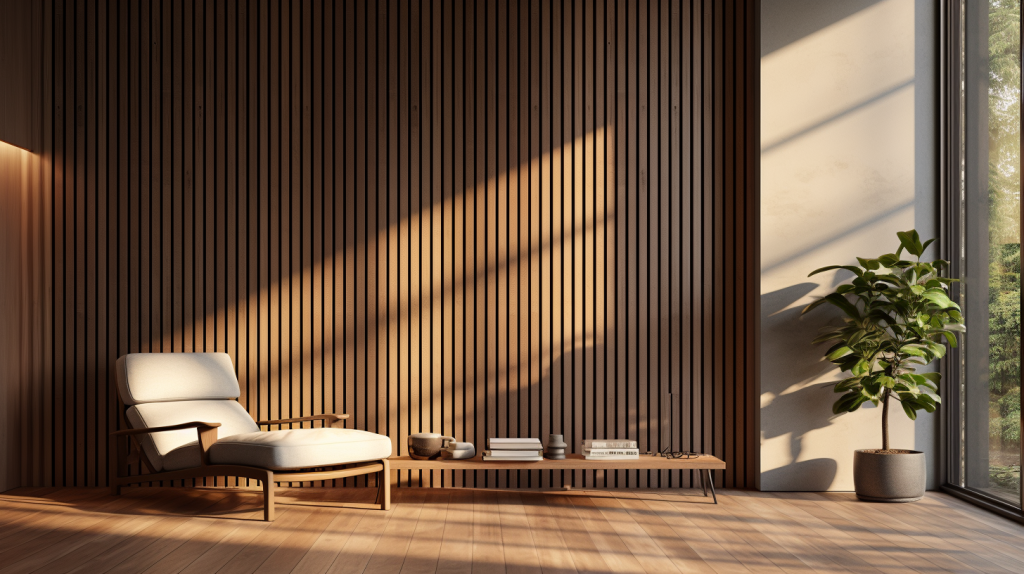
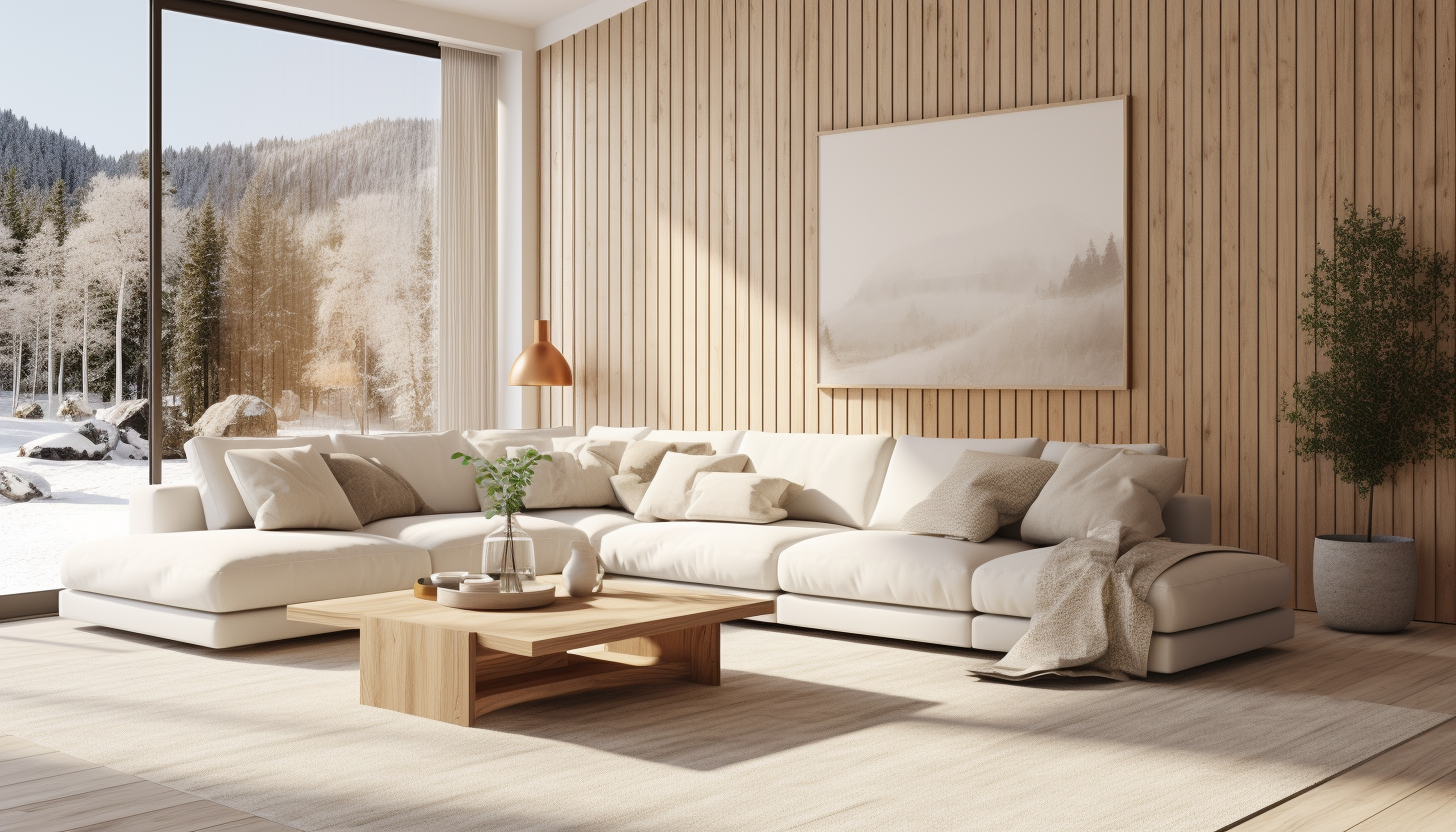
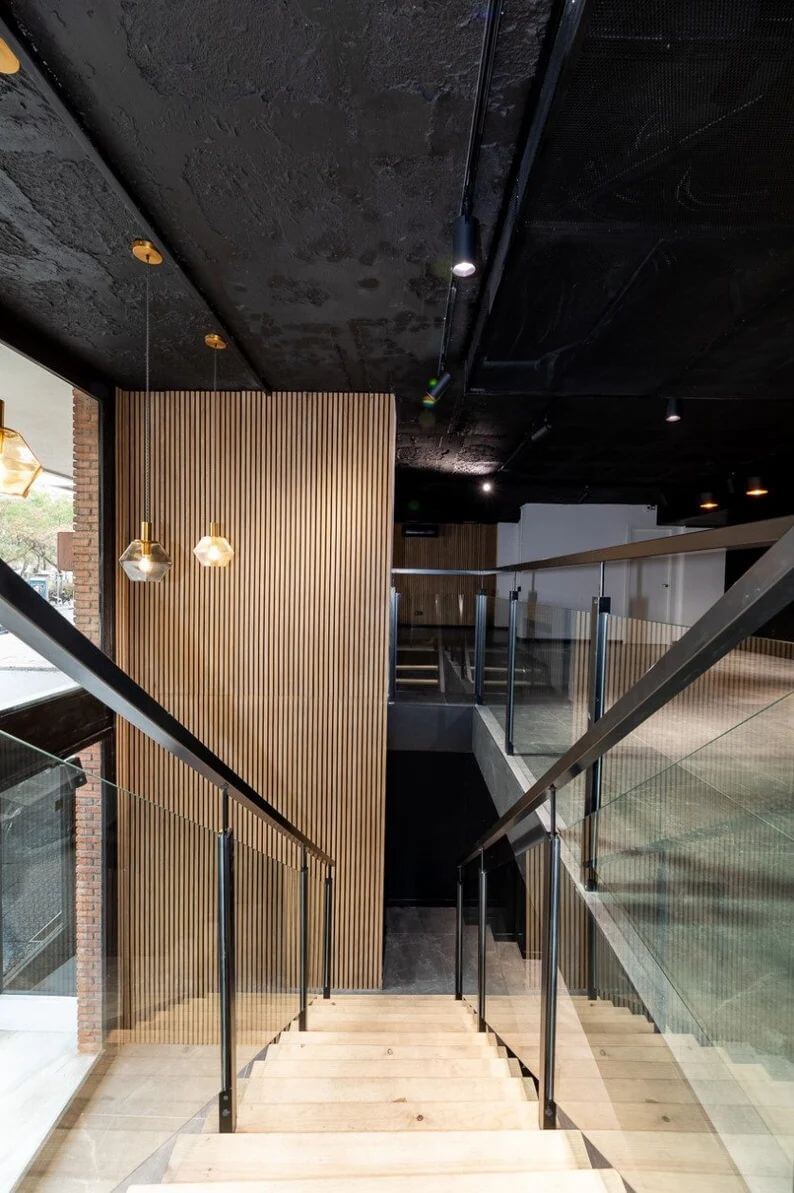
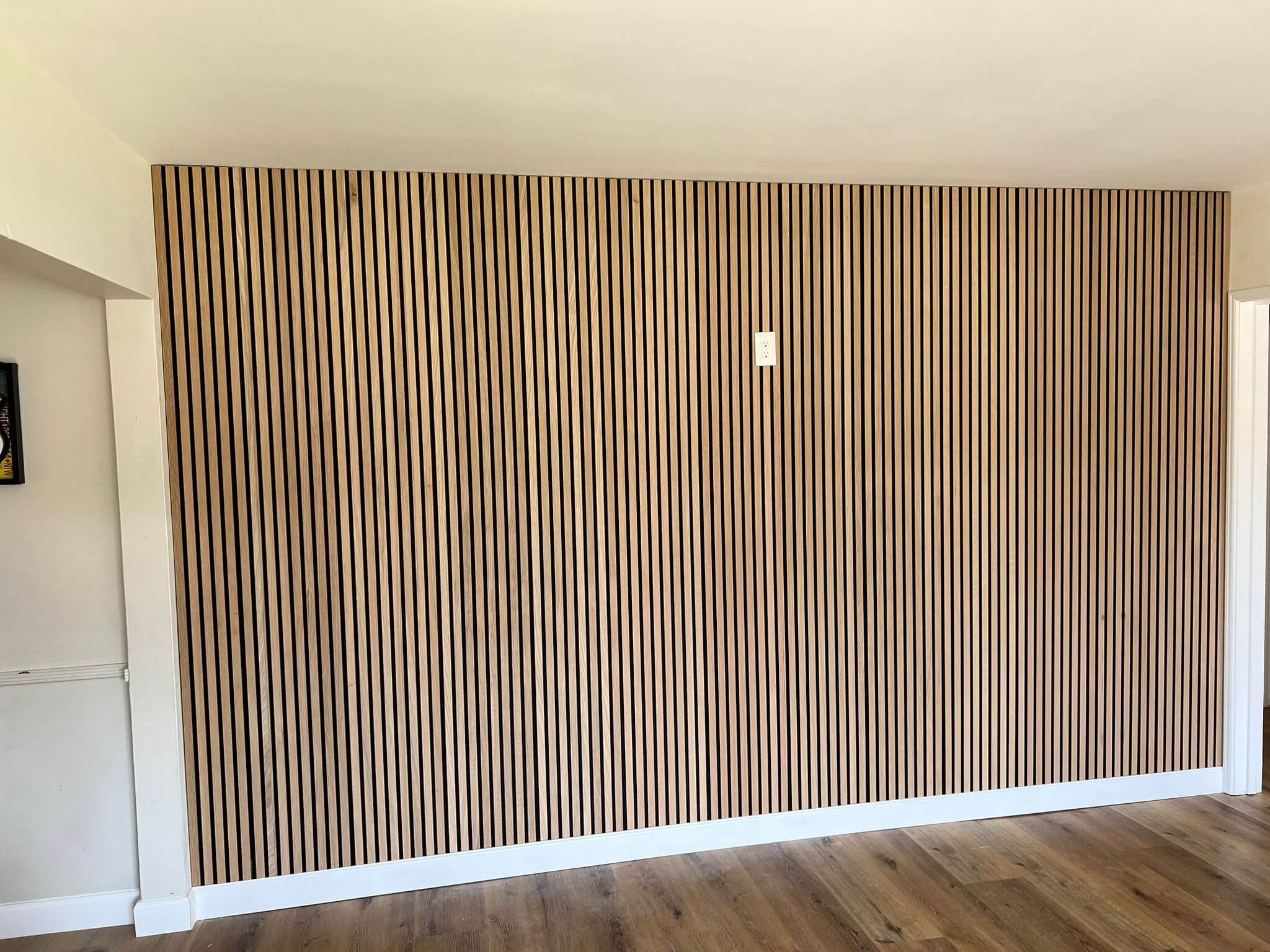
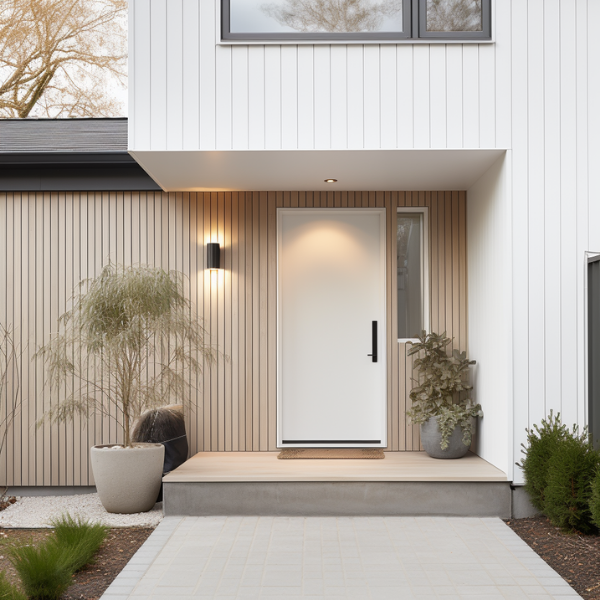
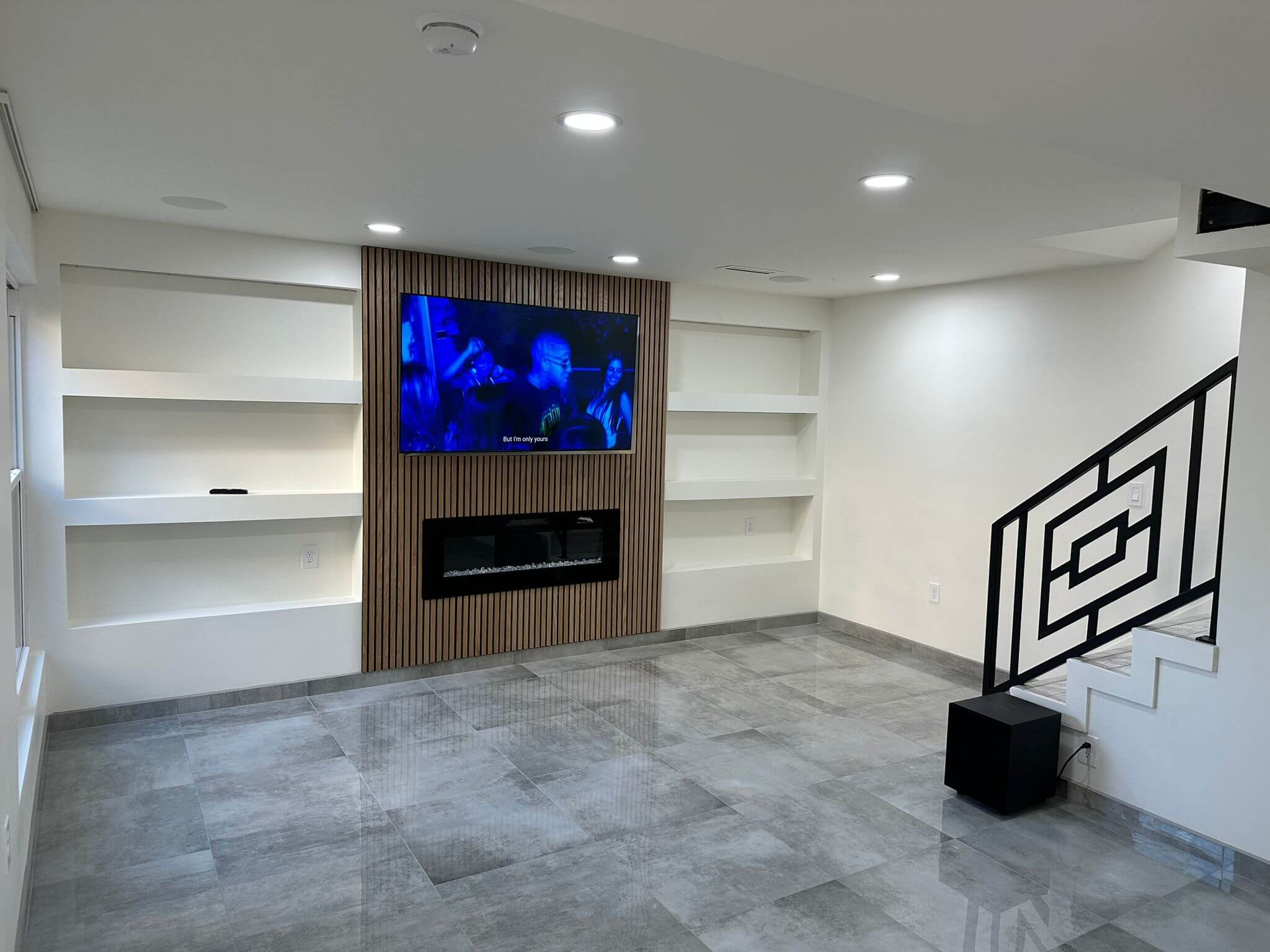
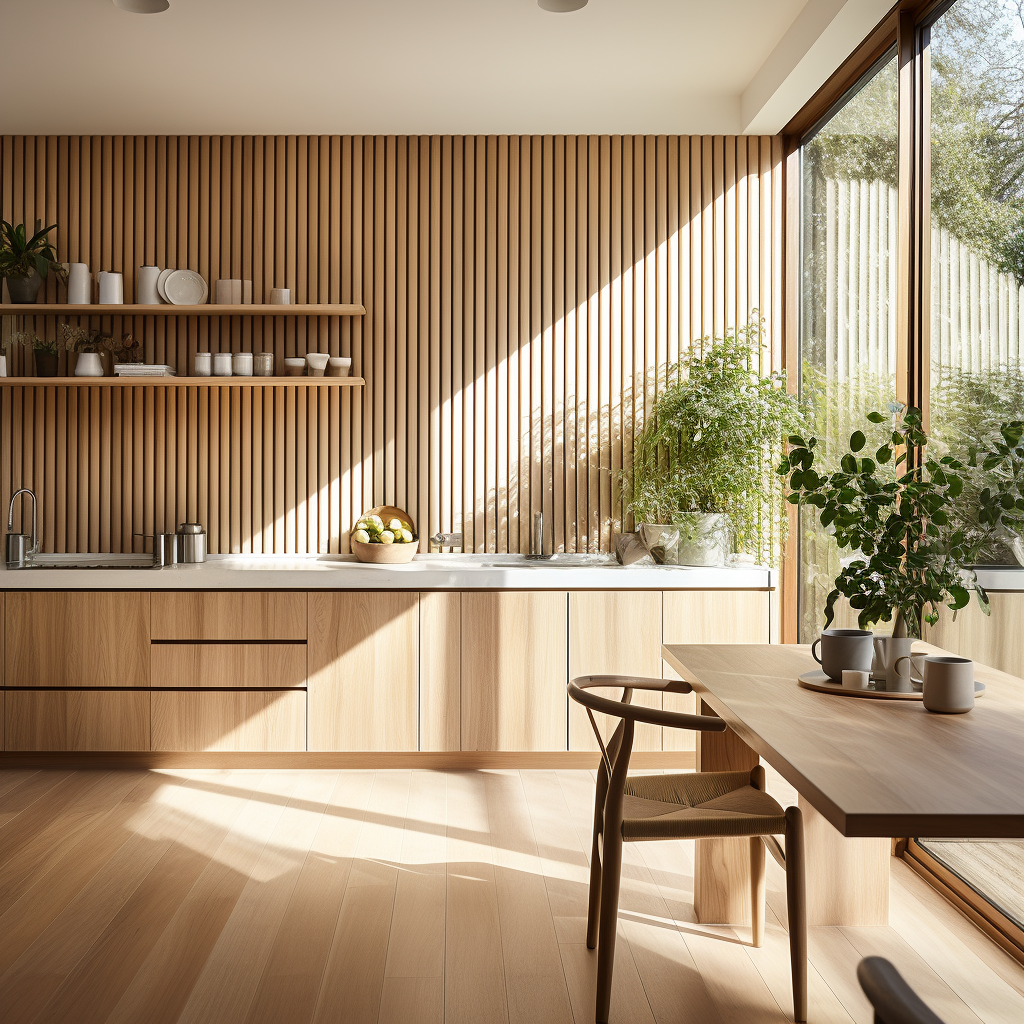
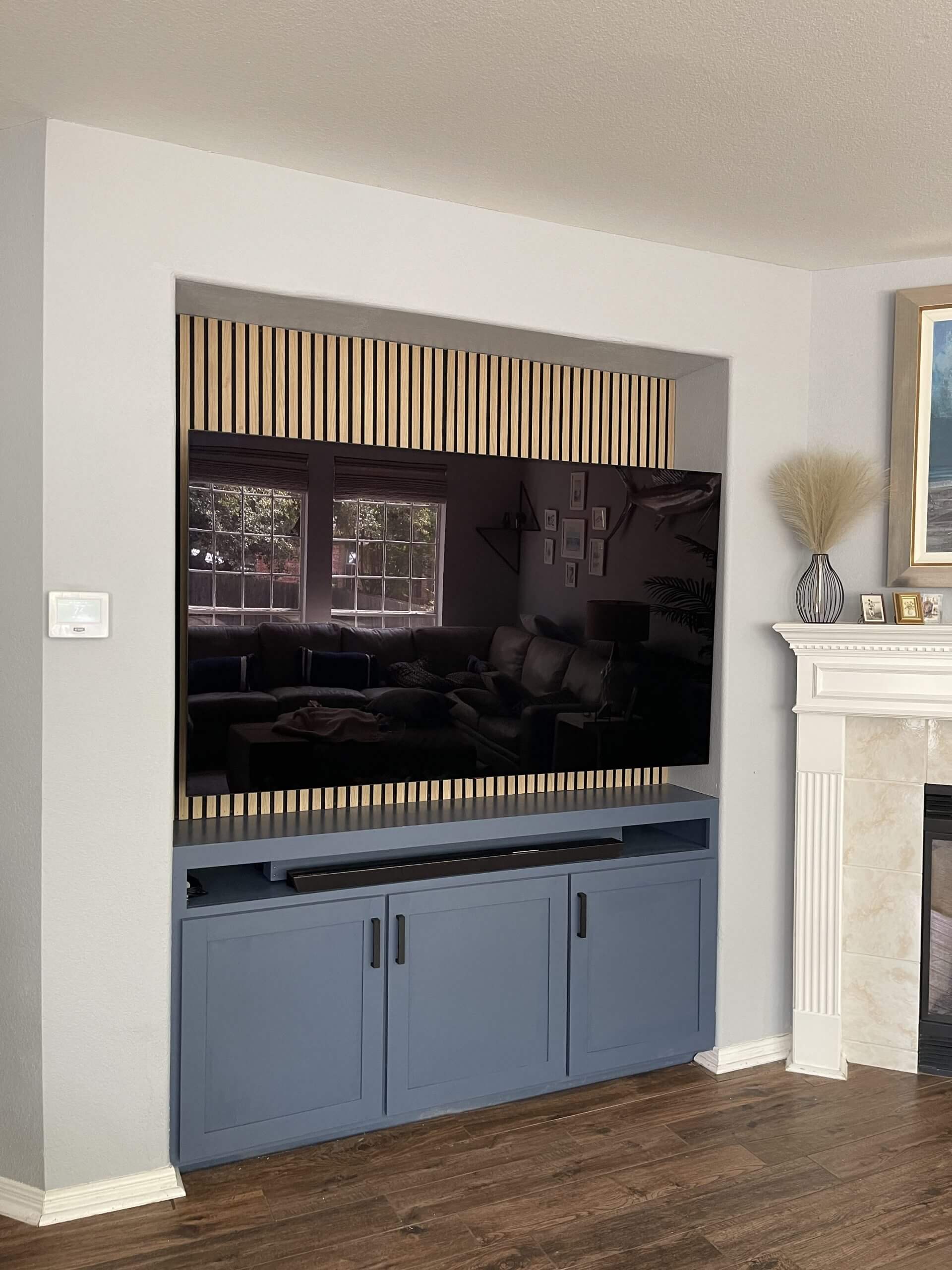
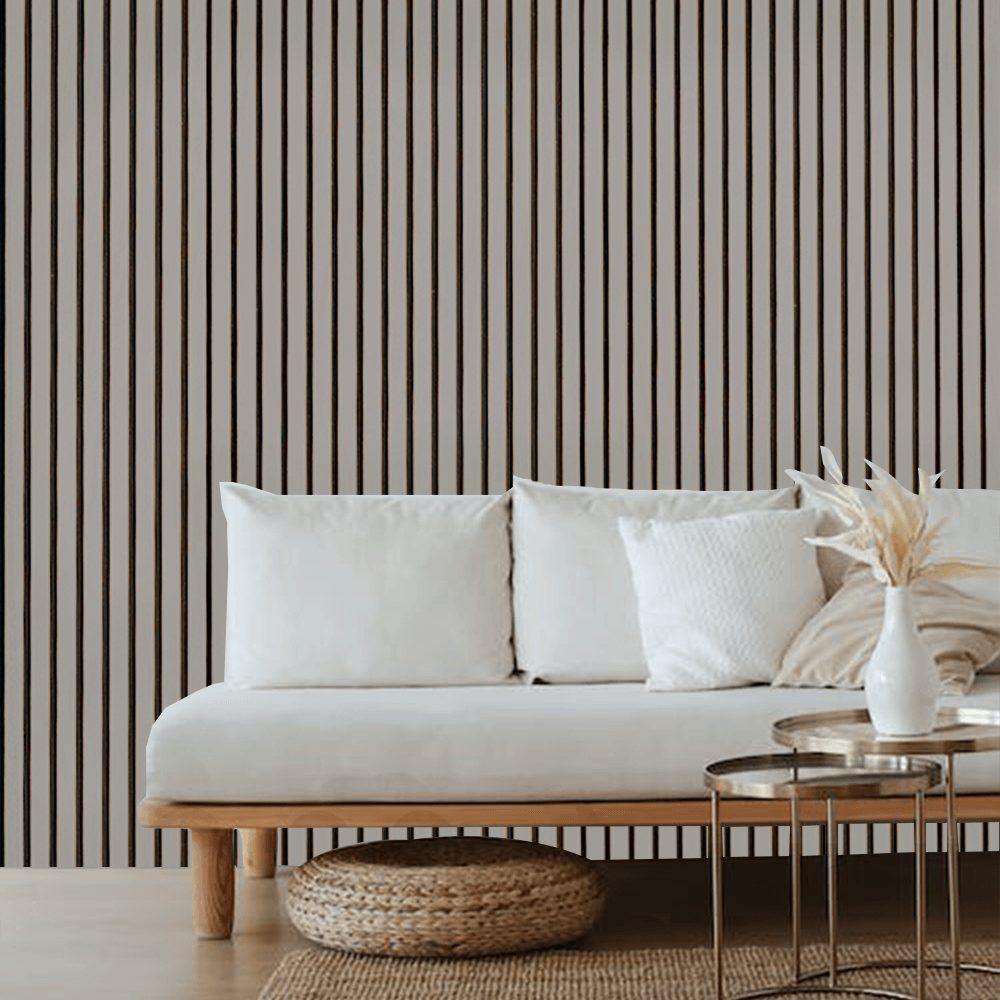
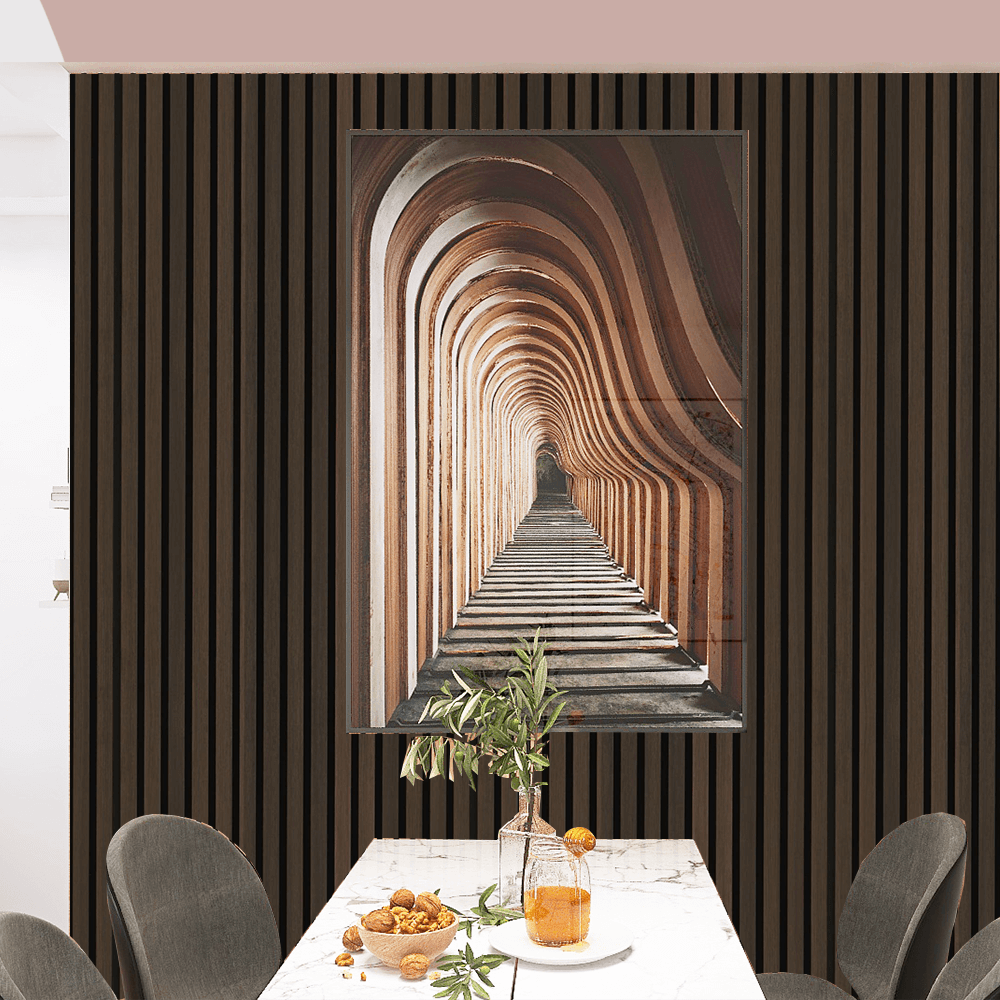
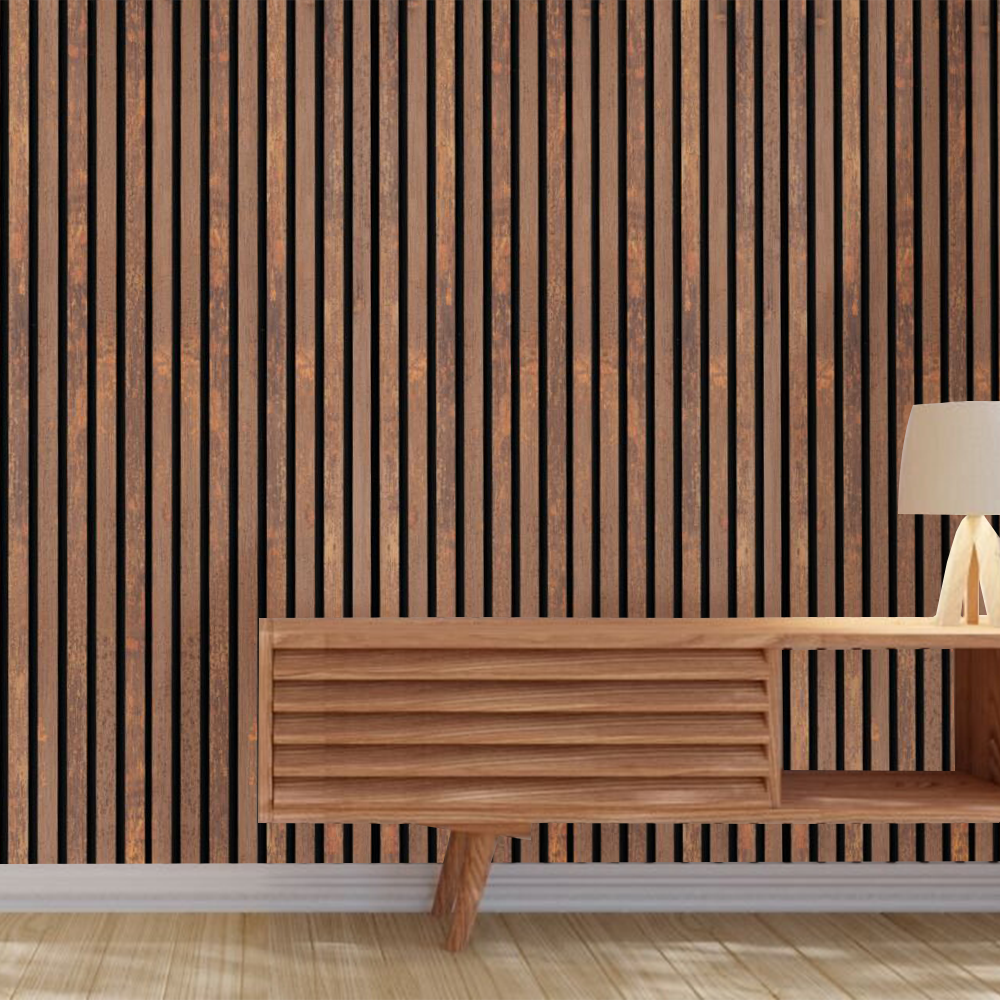
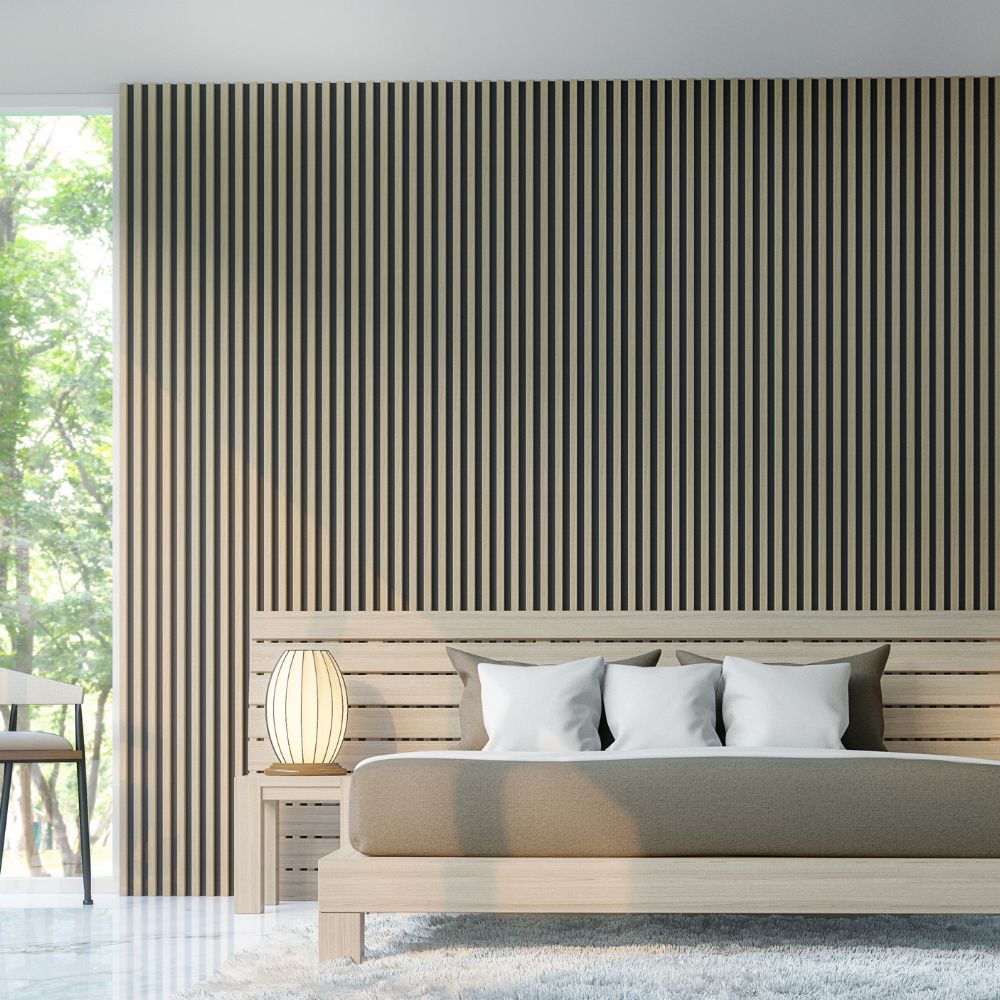
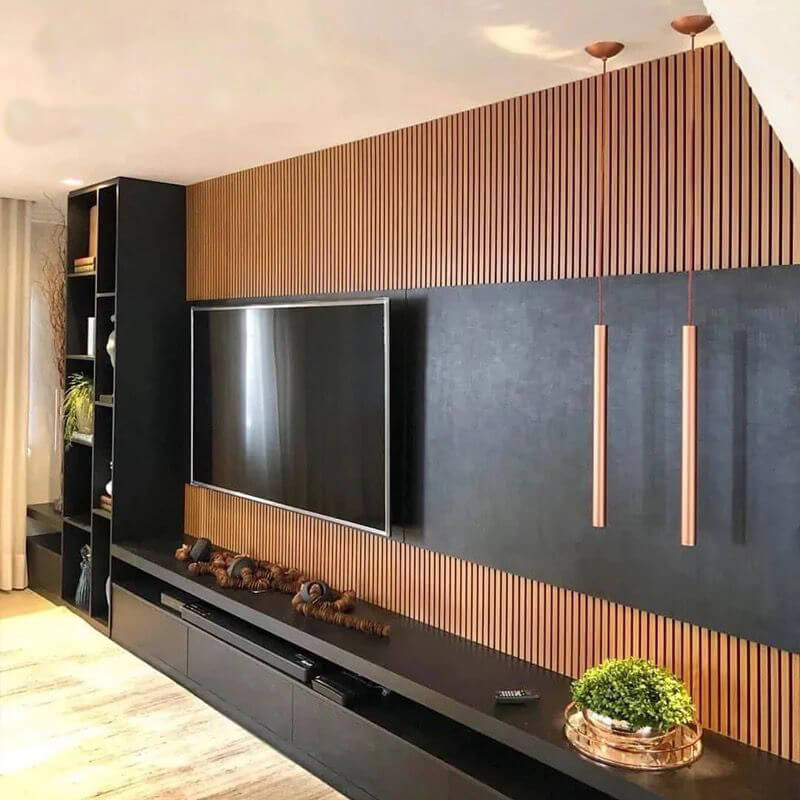
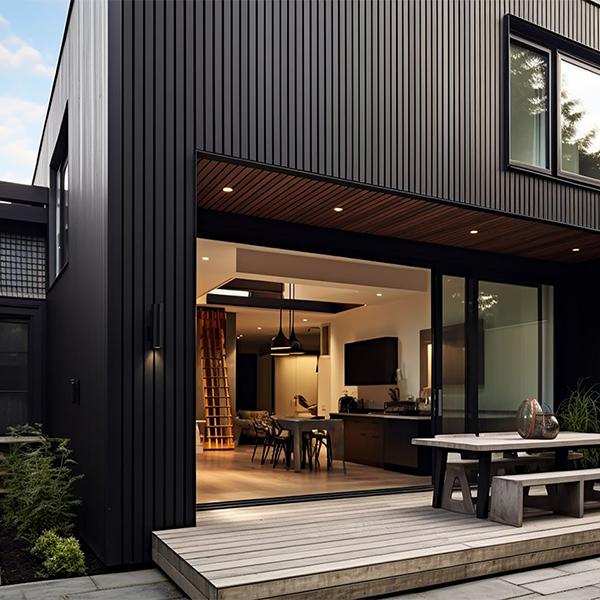
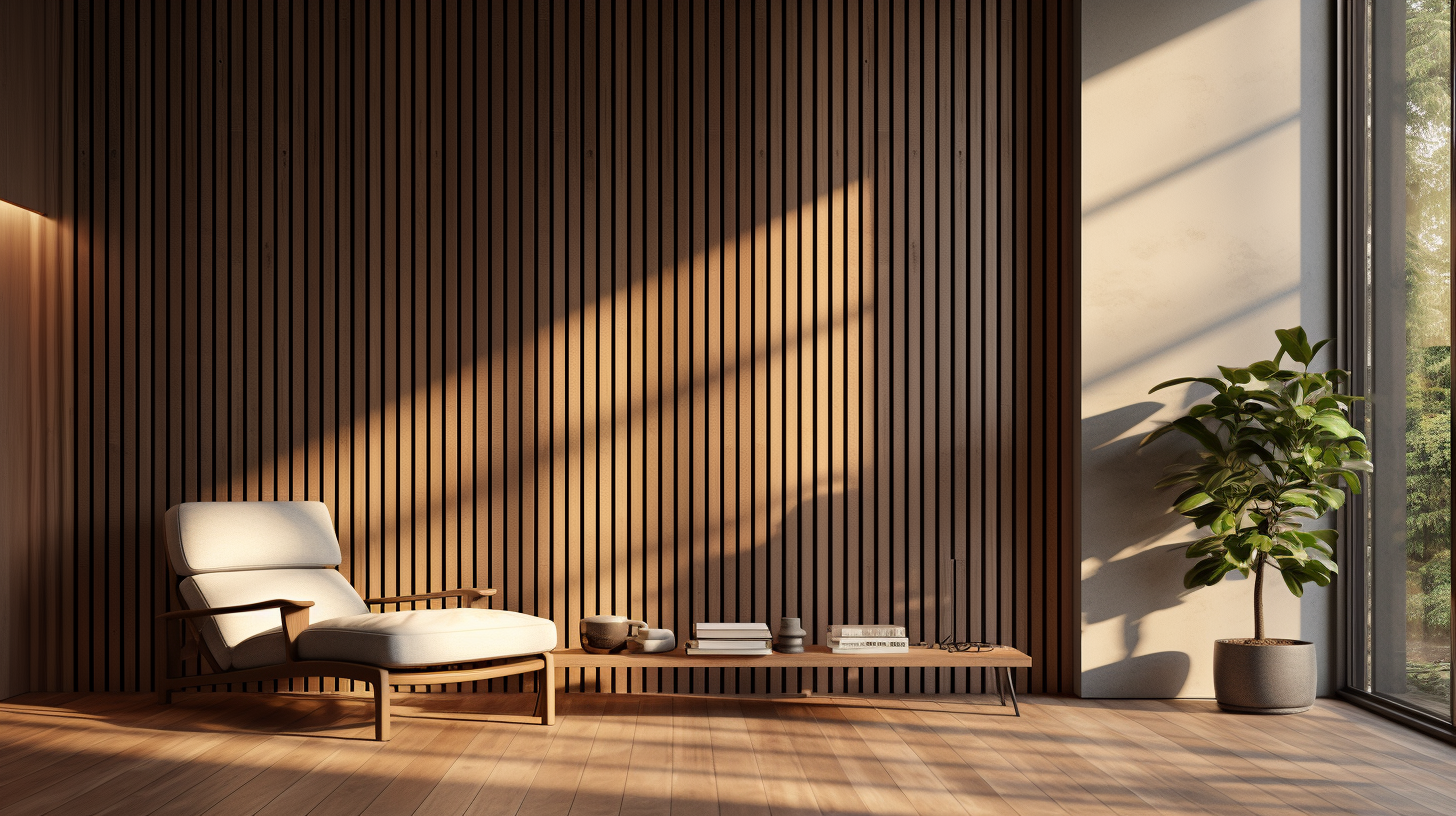
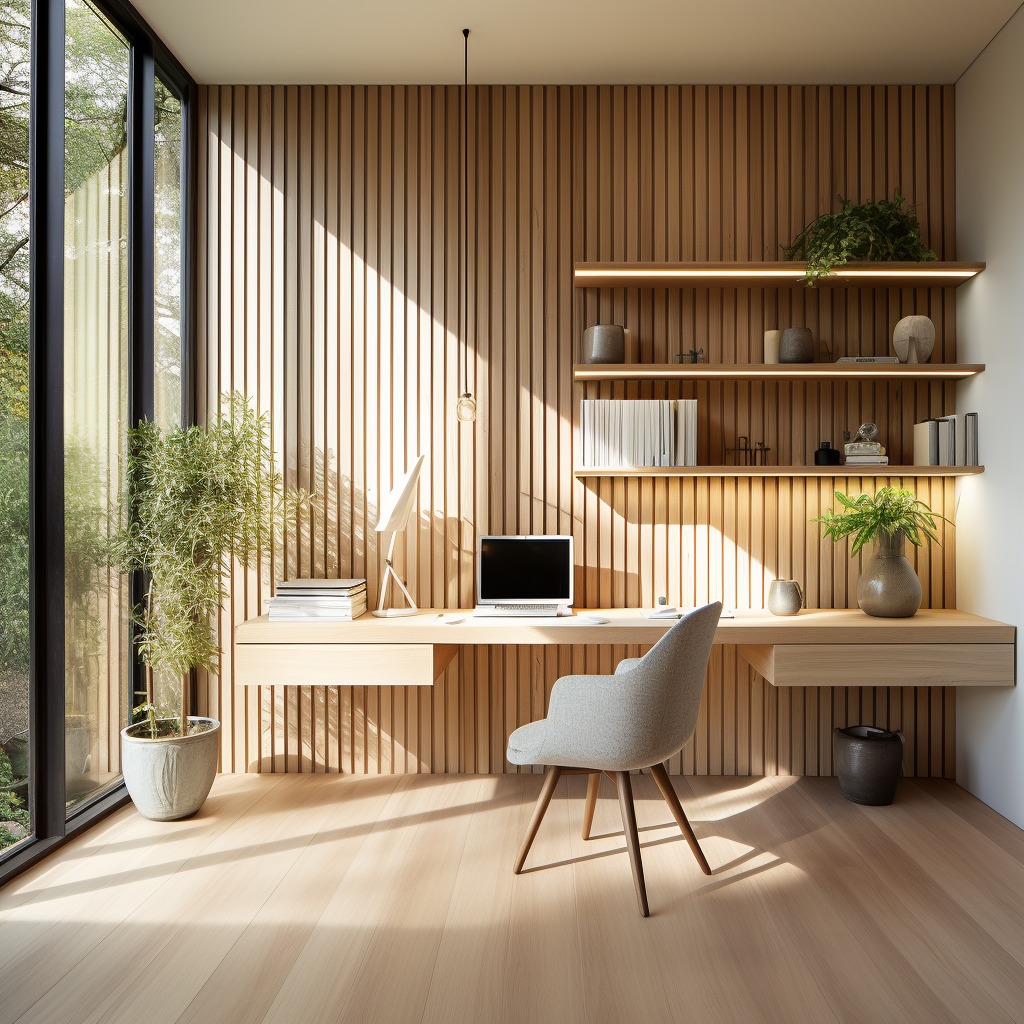
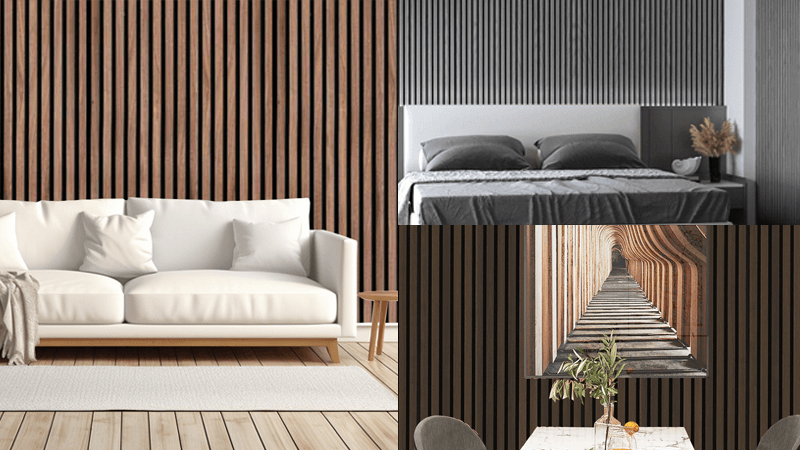
Architectural slat wood panels reintroduce structure through rhythm and depth. Their linear repetition establishes visual order, while spacing and shadow create hierarchy without ornament. Installed vertically or horizontally, slat systems reinforce proportion and scale in interiors that rely on restraint.
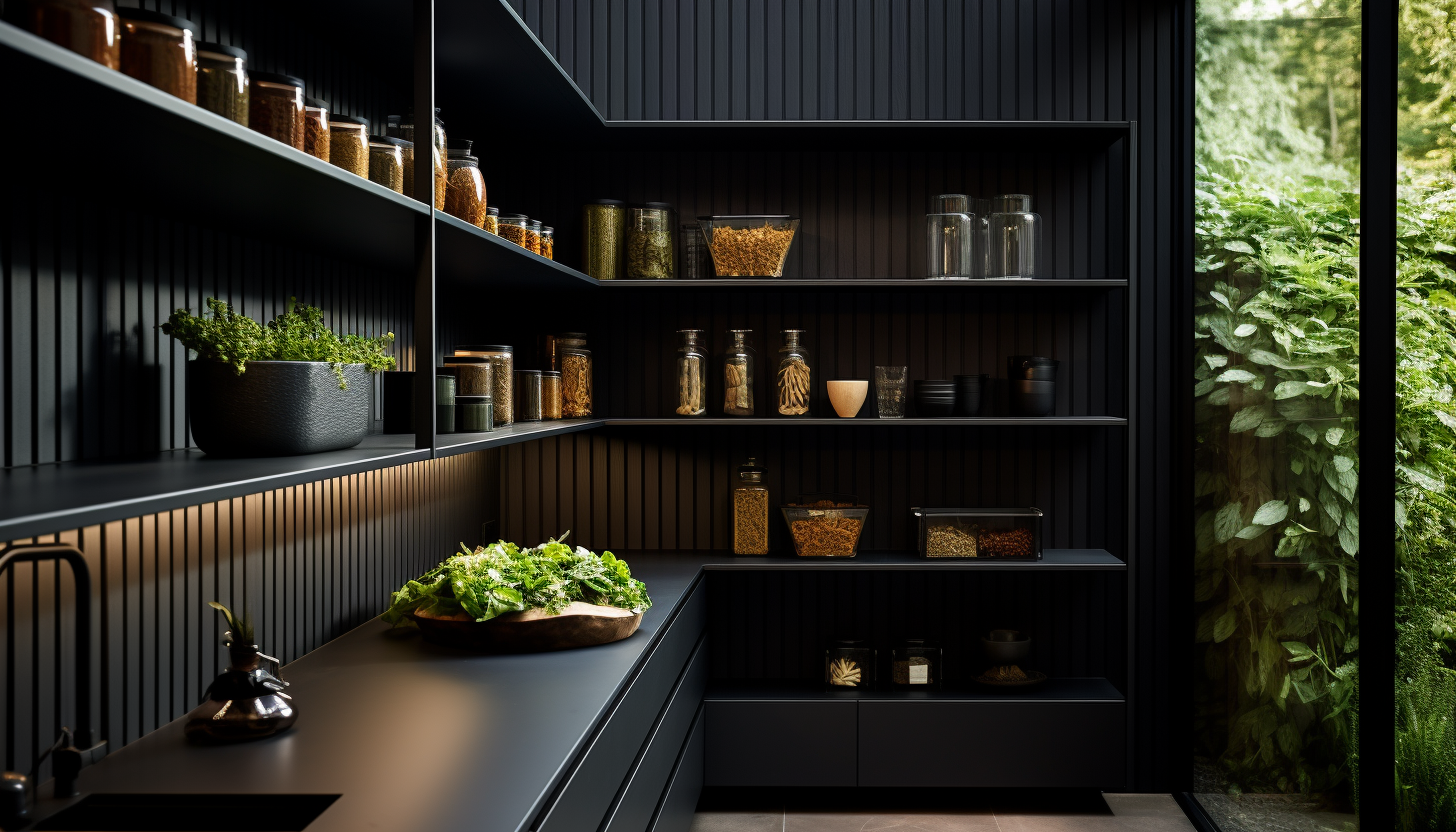
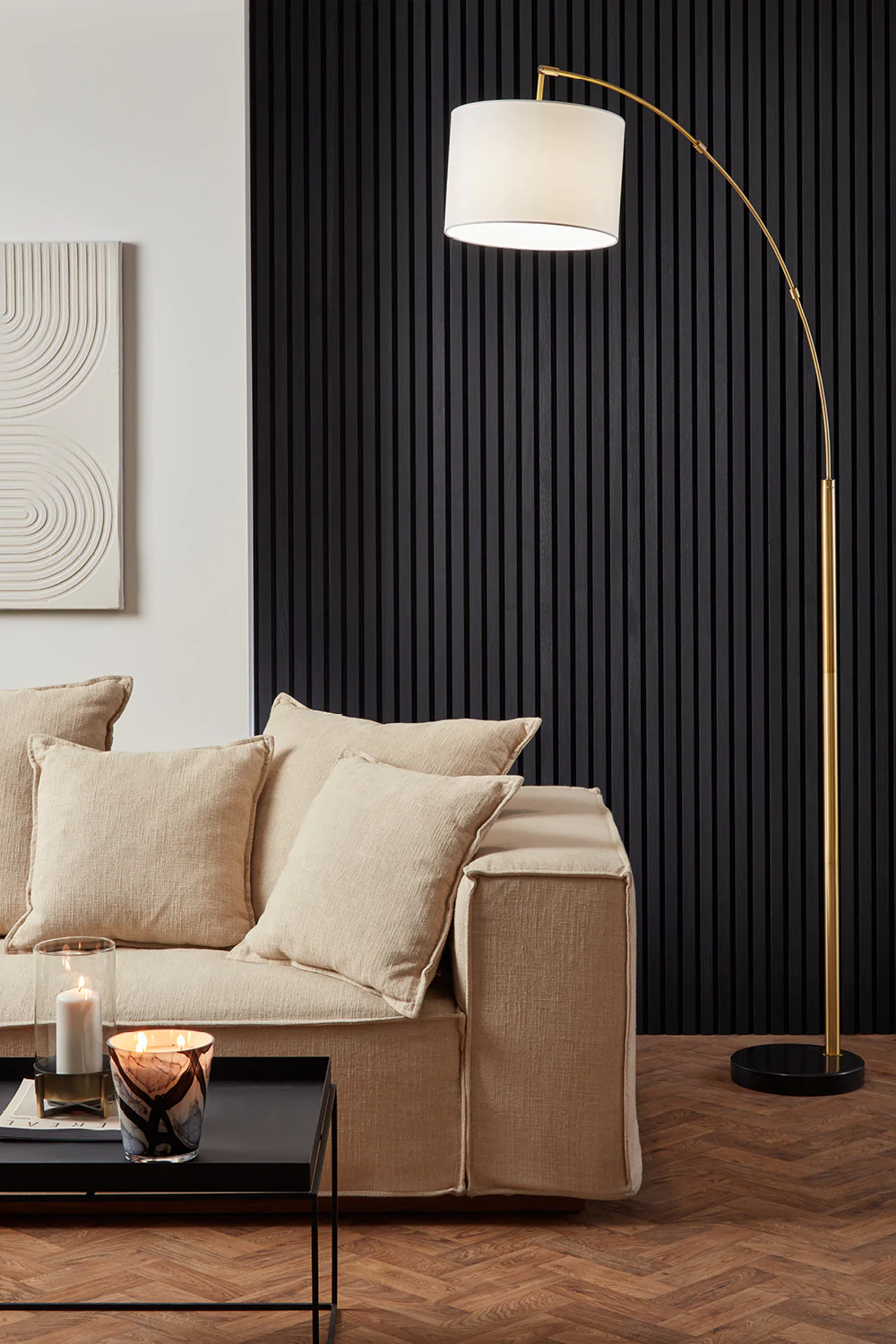
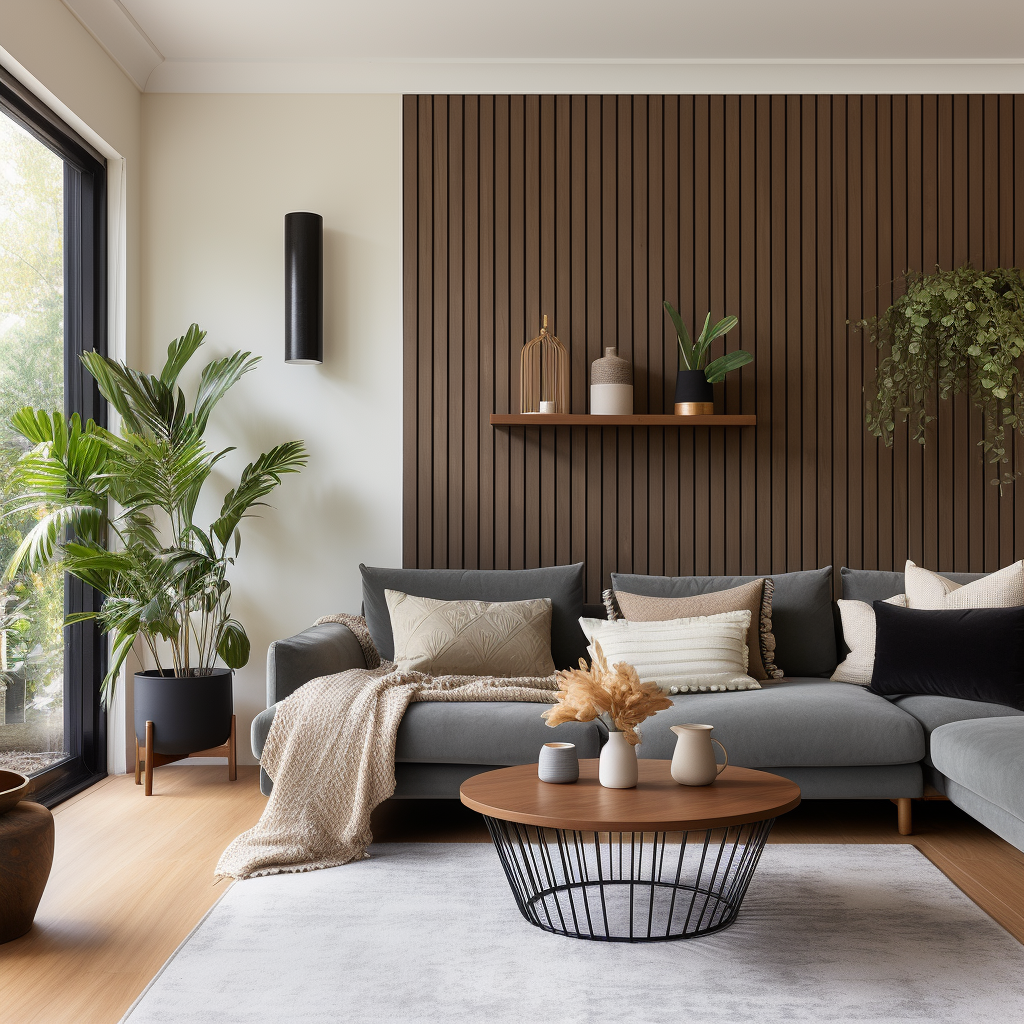
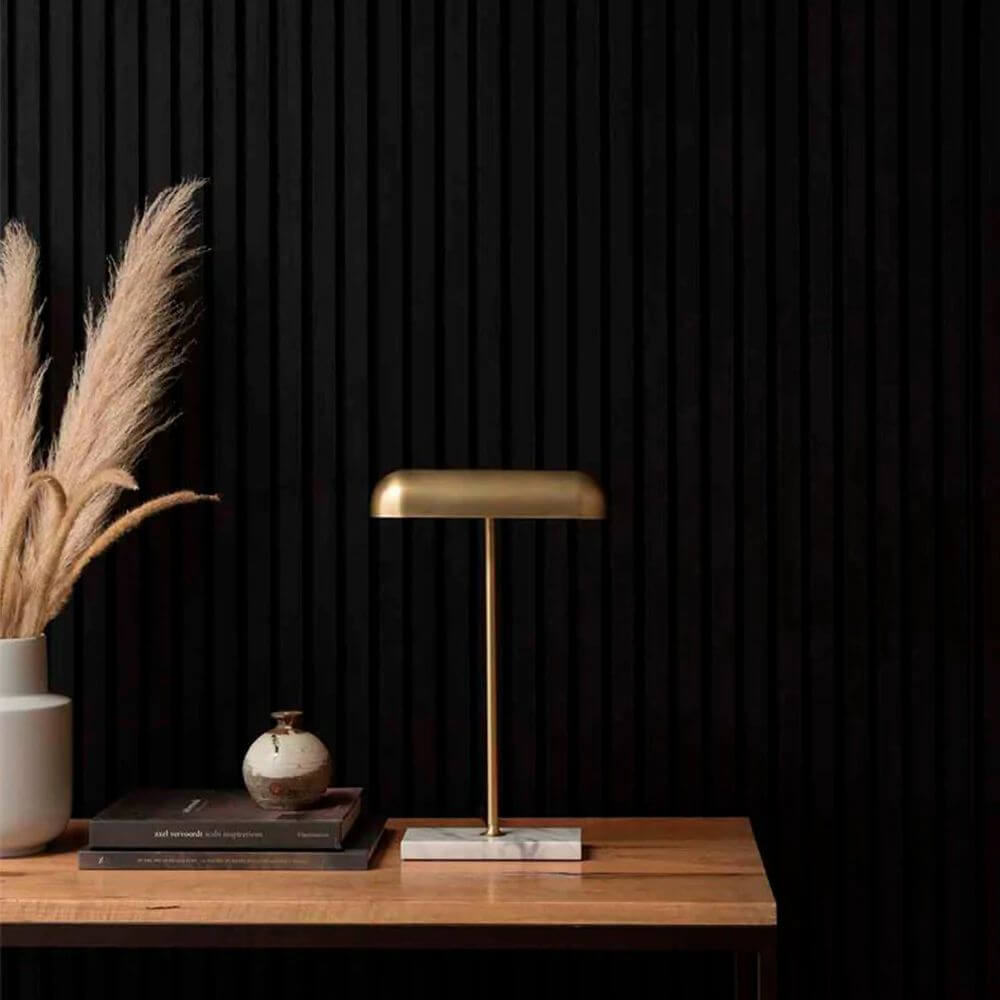
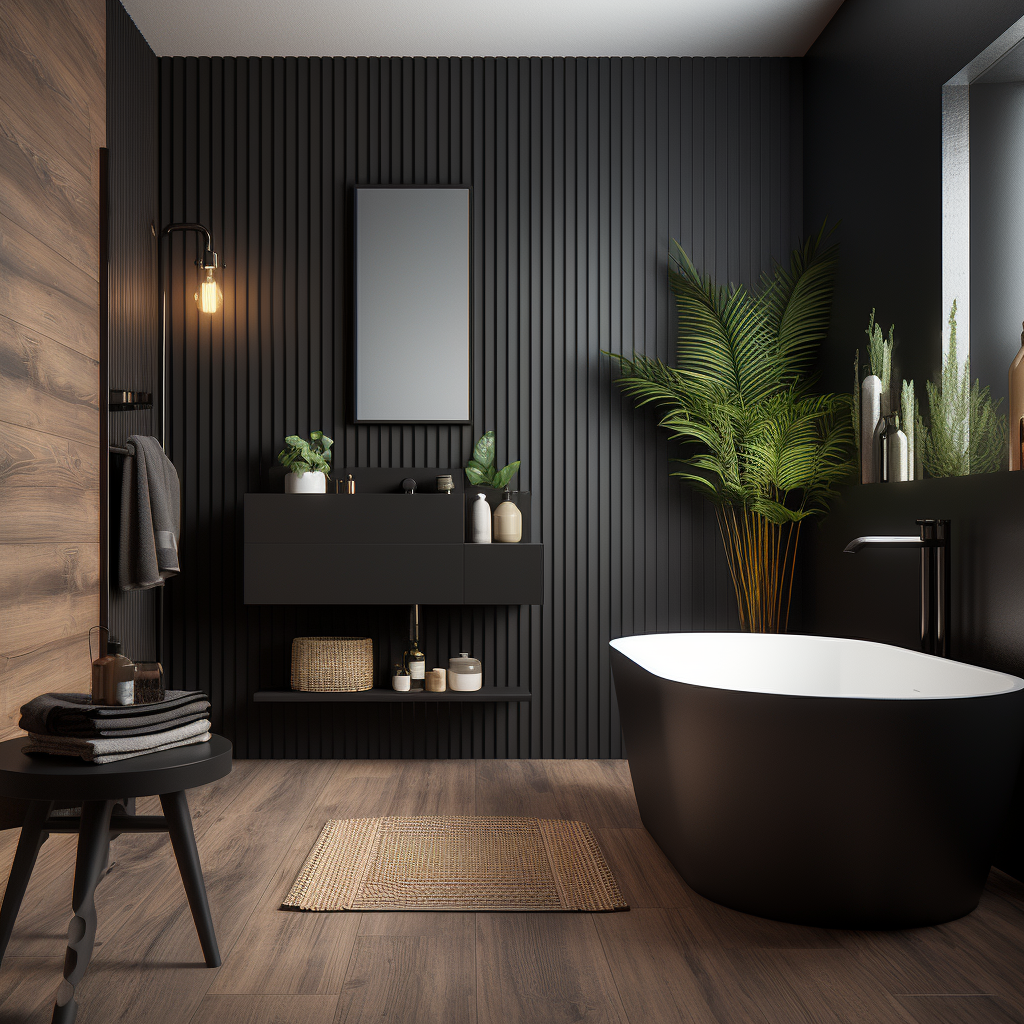
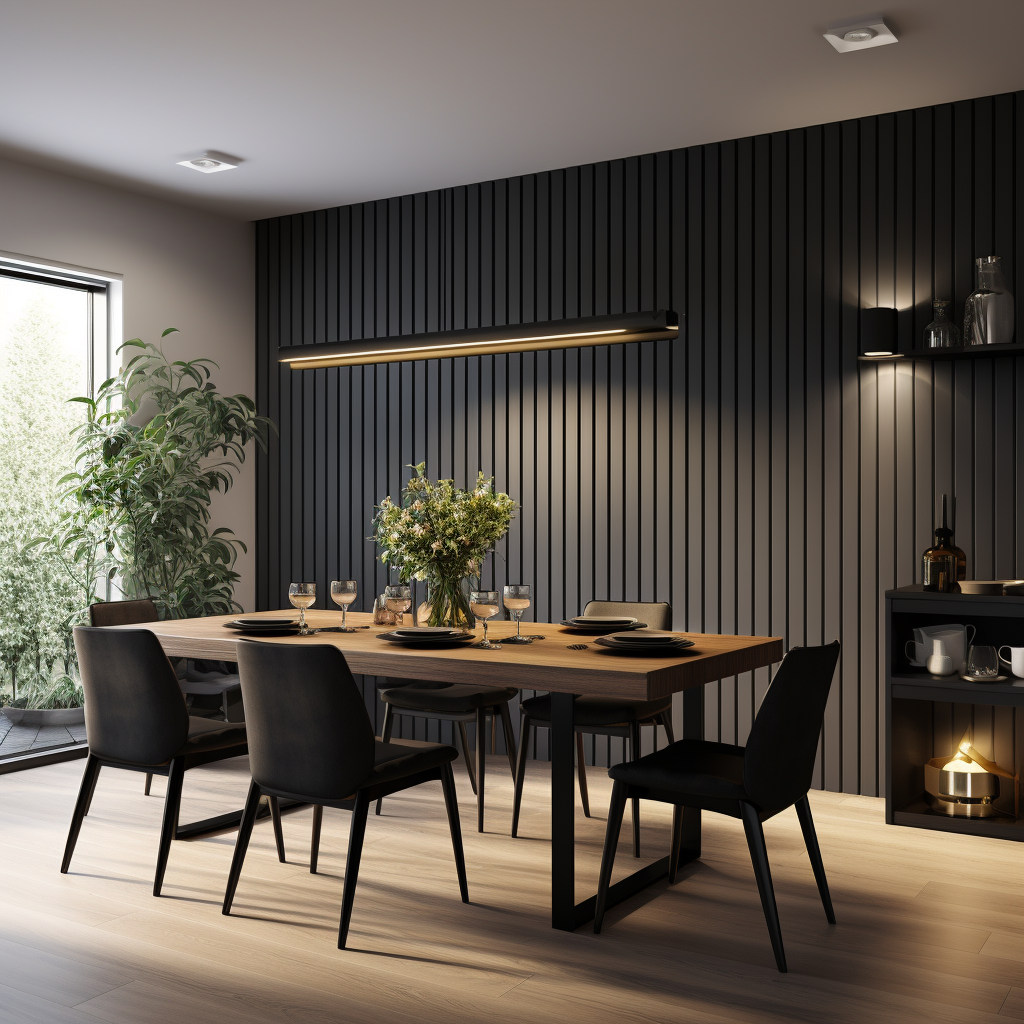
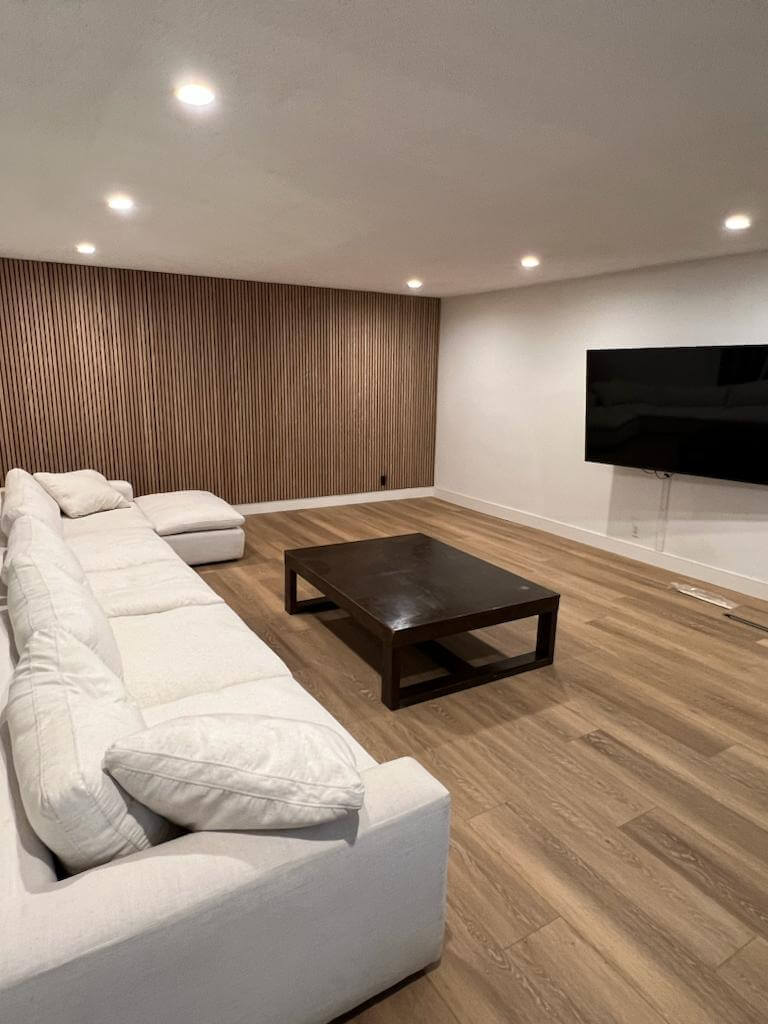
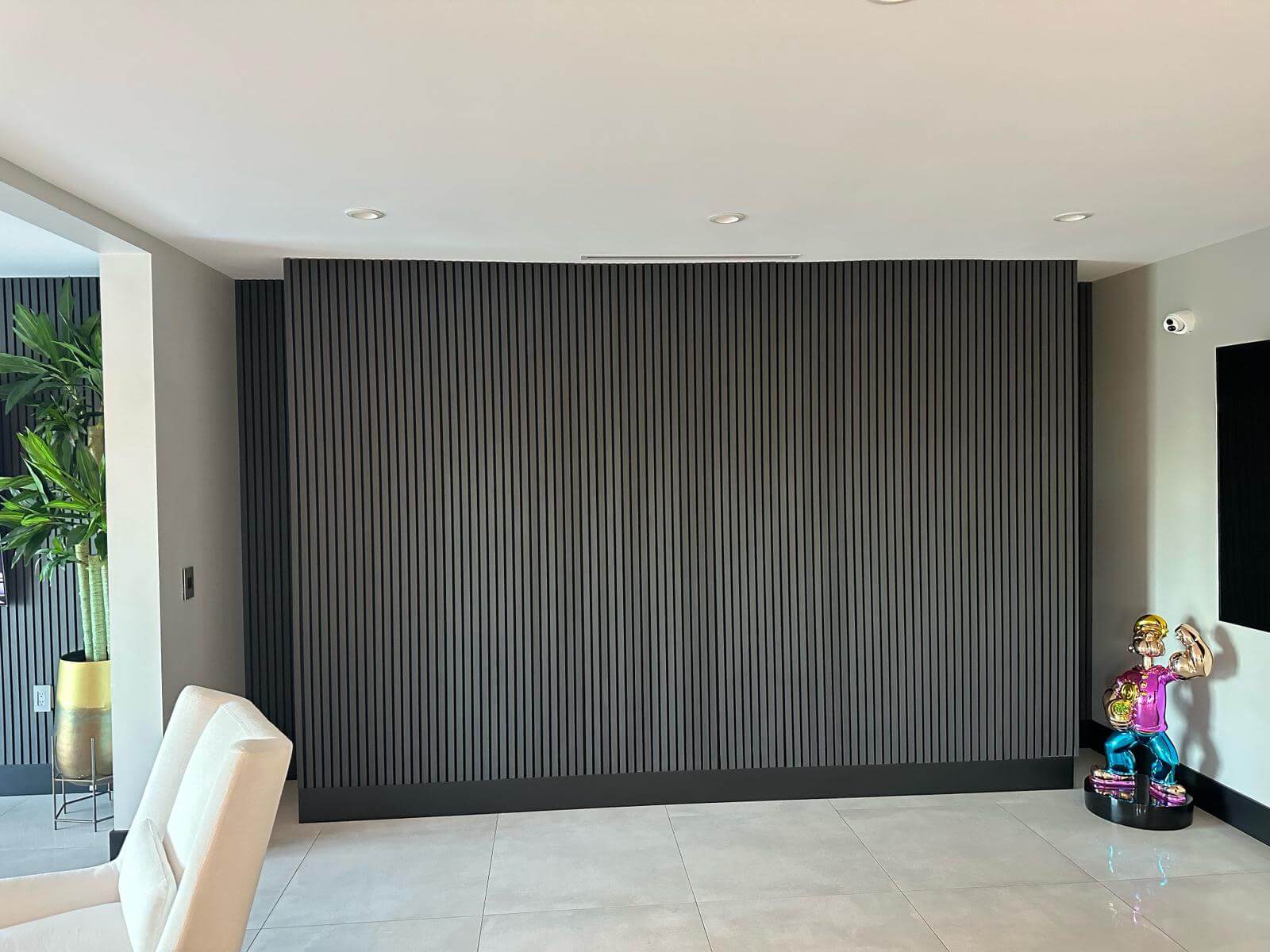
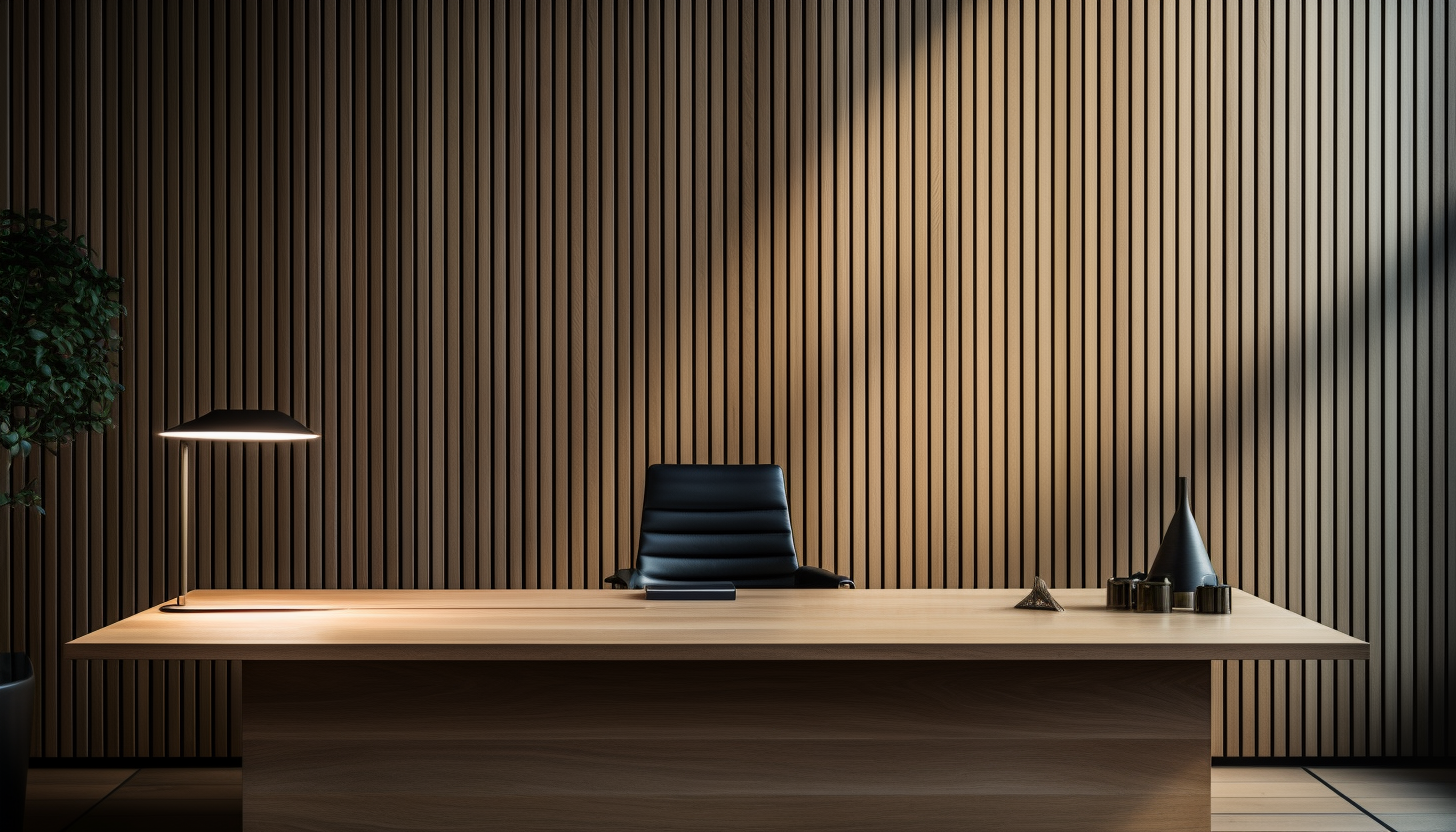
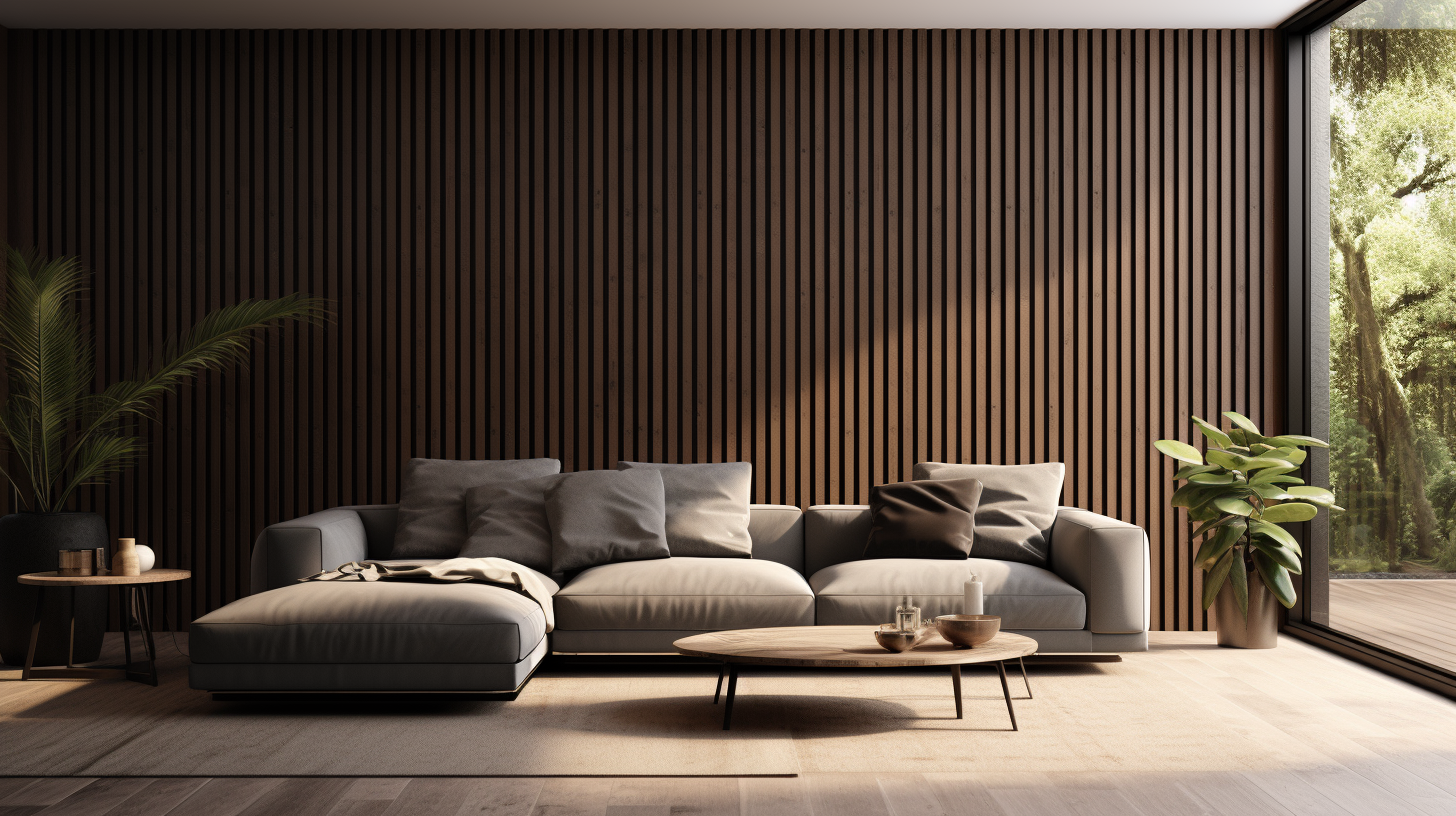
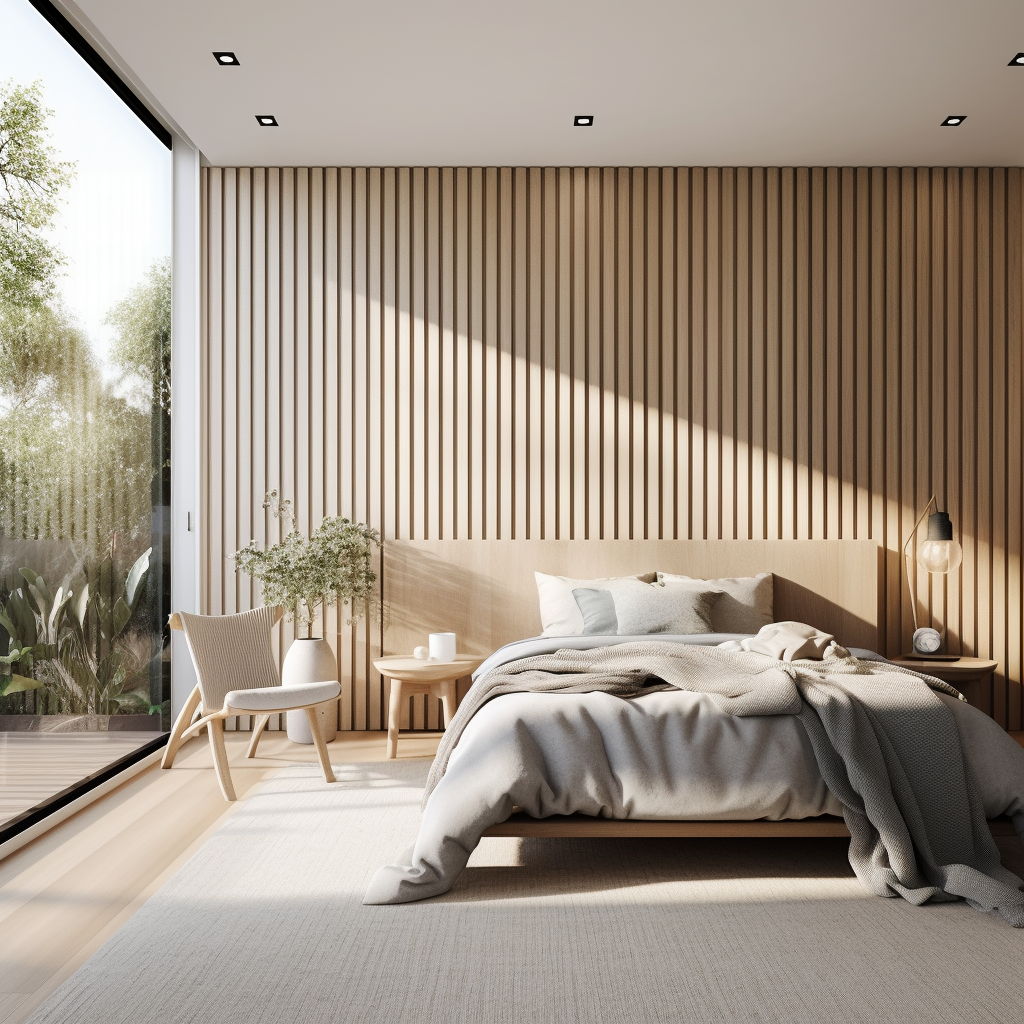
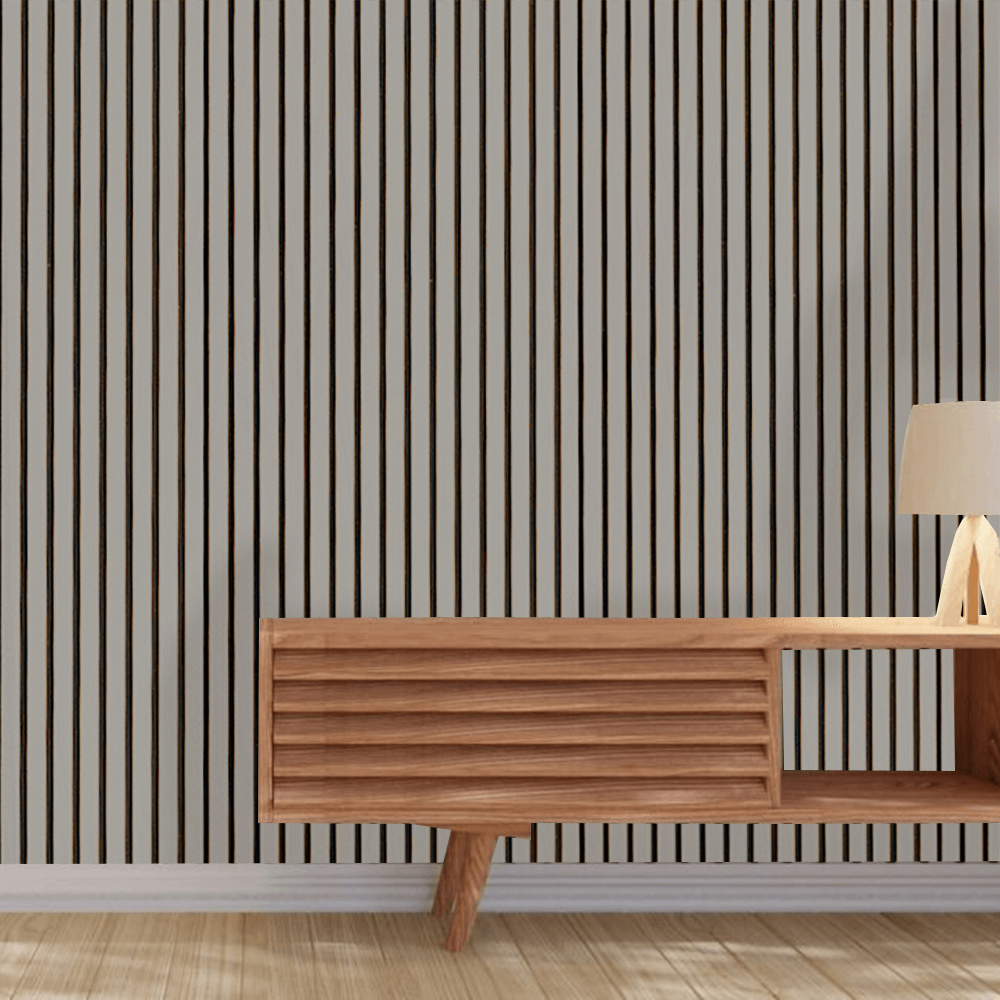
Finish selection then becomes a matter of balance rather than decoration. Walnut acoustic slat panels bring visual weight that can anchor a primary wall, while light smoke oak or grey oak slat panels maintain openness and warmth. Dark oak wood panels and black acoustic slat walls introduce contrast and definition where stronger grounding is needed. Across finishes, the material remains controlled and composed, functioning as architecture rather than surface treatment.
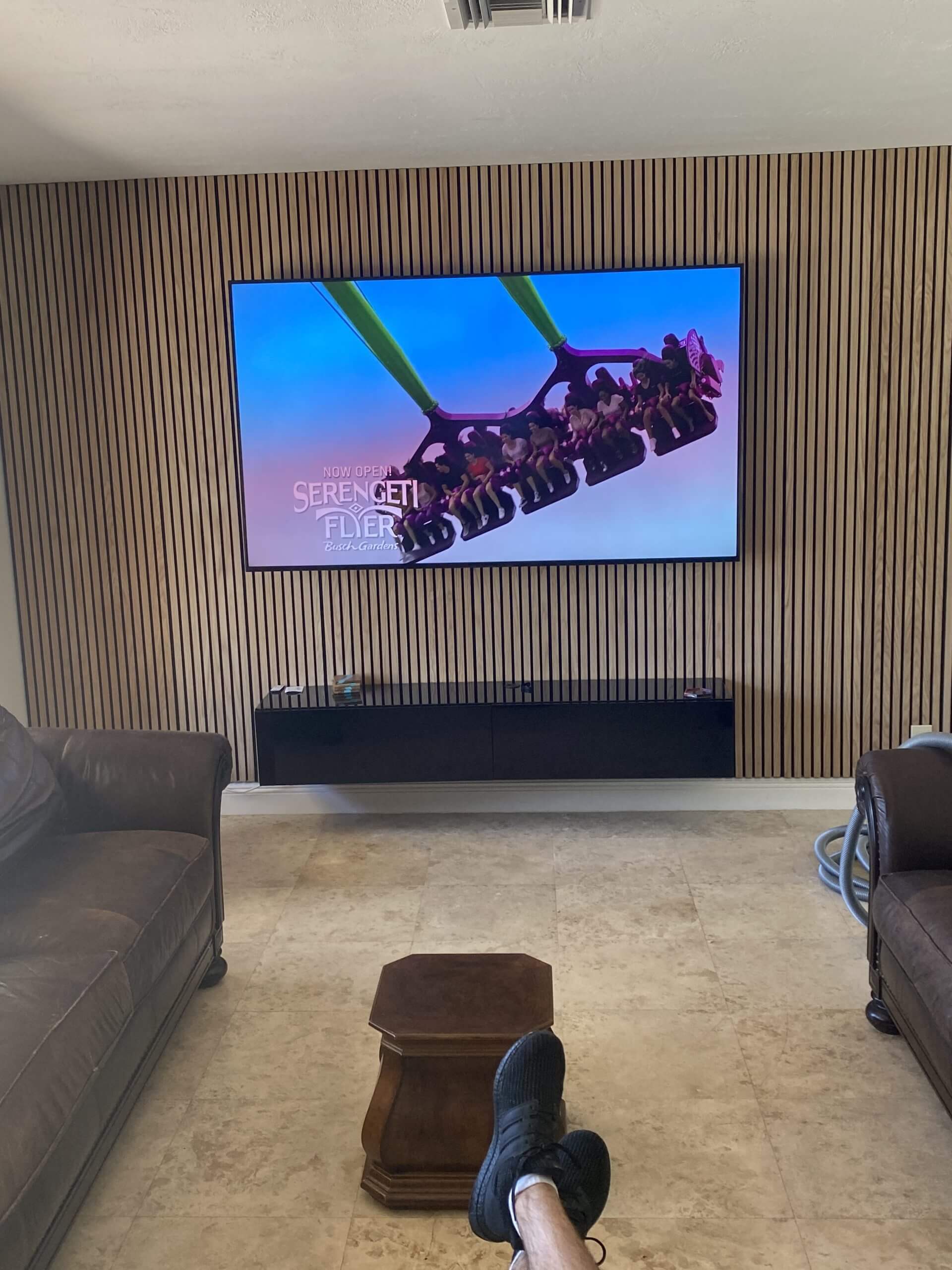
Action Item: Apply slat wood panels along uninterrupted wall runs where the room already directs attention. Continuous installations allow the material to organize space without competing for focus.
Creating Hierarchy Without Accumulation
Slat panels allow emphasis to emerge without adding objects. One well-placed paneled wall can define a room more clearly than layered furnishings or multiple finishes. Hierarchy comes from structure rather than accumulation.
When applied selectively, panels clarify primary zones while maintaining openness and balance.
Action Item: Reserve slat wood panels for a single primary surface in each room. Overuse reduces their organizing power and shifts the effect from architectural to ornamental.
Precision Over Excess
What follows minimalism is not a return to decorative abundance, but a refinement of intent. Fewer elements remain, and each one carries greater responsibility. Materials are chosen not for effect, but for how they shape the space over time.
Architectural slat wood panels succeed in this context because they introduce structure, warmth, and hierarchy through disciplined application. They support spaces that feel settled, considered, and built to last.
Action Item: Approach materials as long-term infrastructure rather than stylistic statements. Choose finishes and systems that will continue to organize the space as your needs evolve.
Bringing Your Vision to Life
If you’re considering how architectural slat wood panels could add structure, warmth, or clarity to your space, the Wood Panel Wall Miami design team is here to help you think it through. We’ll listen to your ideas, understand how you want the space to function, and offer guidance on panel styles, finishes, and placement that support your goals rather than compete with them. You can explore options in our online showroom, visit us in person, or call 888-405-4778 to start a thoughtful conversation about what comes next for your space.