5 High-Impact Ways to Use Flexible Stone Panels in a Modern Space
What if stone could wrap, bend, and carry across a space without breaking the line?
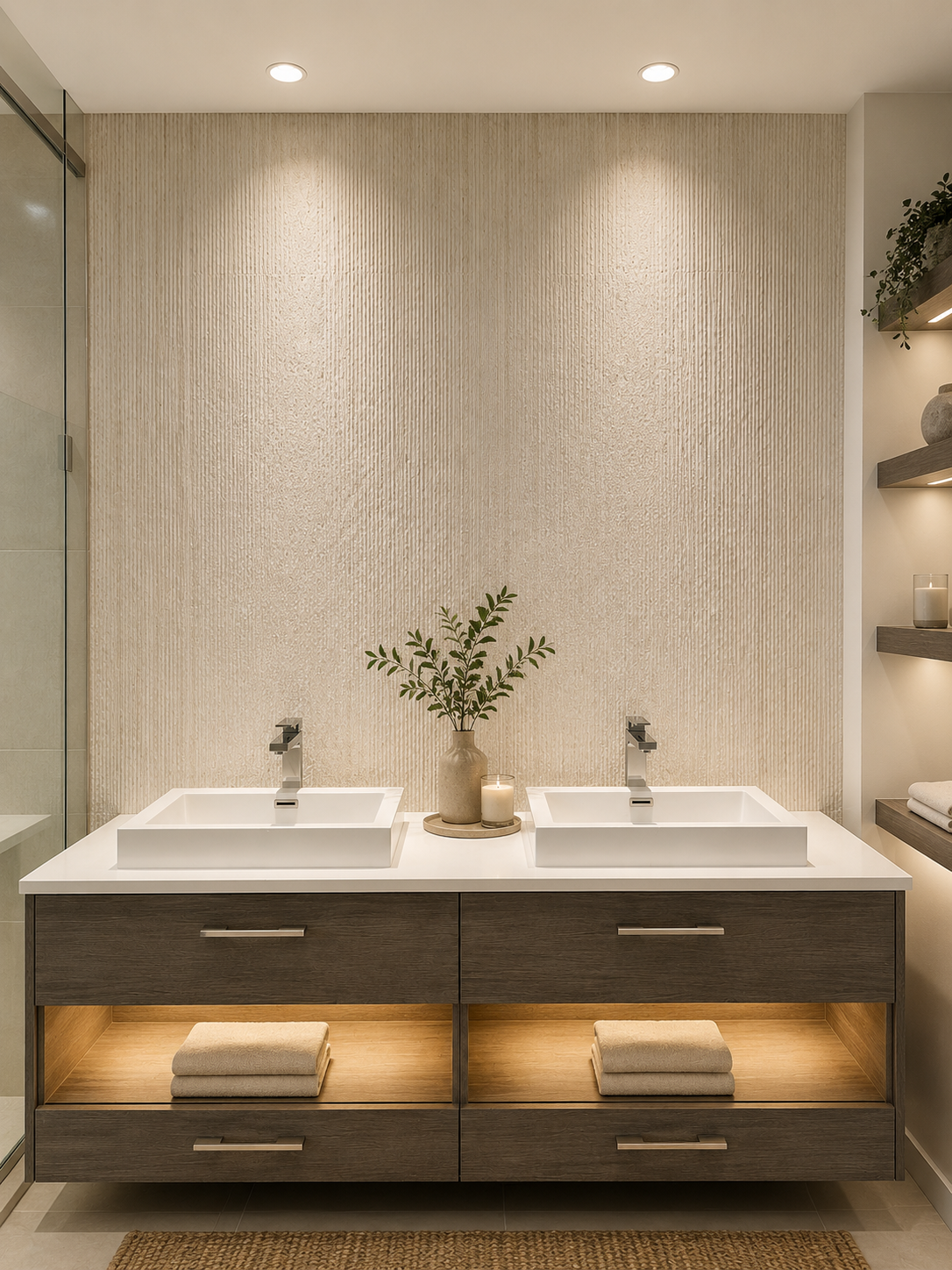
Flexible travertine stone panels make that possible. Instead of working around the weight and rigidity of full slabs, this form of stone veneer allows the material to move with the layout. At just 2-4mm thick, the panels follow curves, continue across vertical transitions, and extend across surfaces without interruption. The result is a cleaner, more continuous read that keeps the design intact from one plane to the next.
Lightweight panels with consistent thickness give you more control during installation across interior and exterior applications. You can carry stone veneer panels across multiple surfaces with fewer interruptions, creating a more cohesive result from the outset.
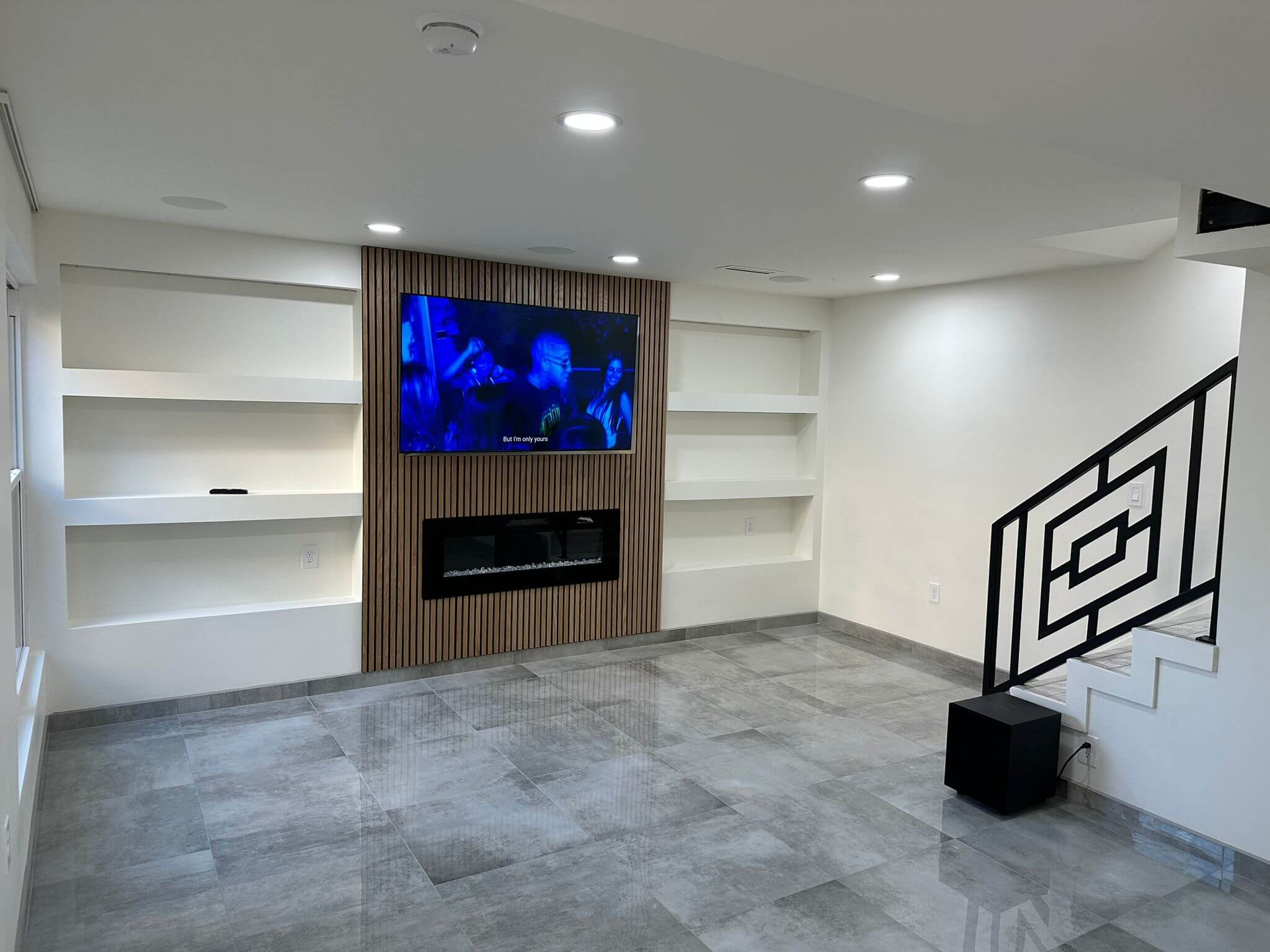
A Fireplace Wall That Holds the Room Together
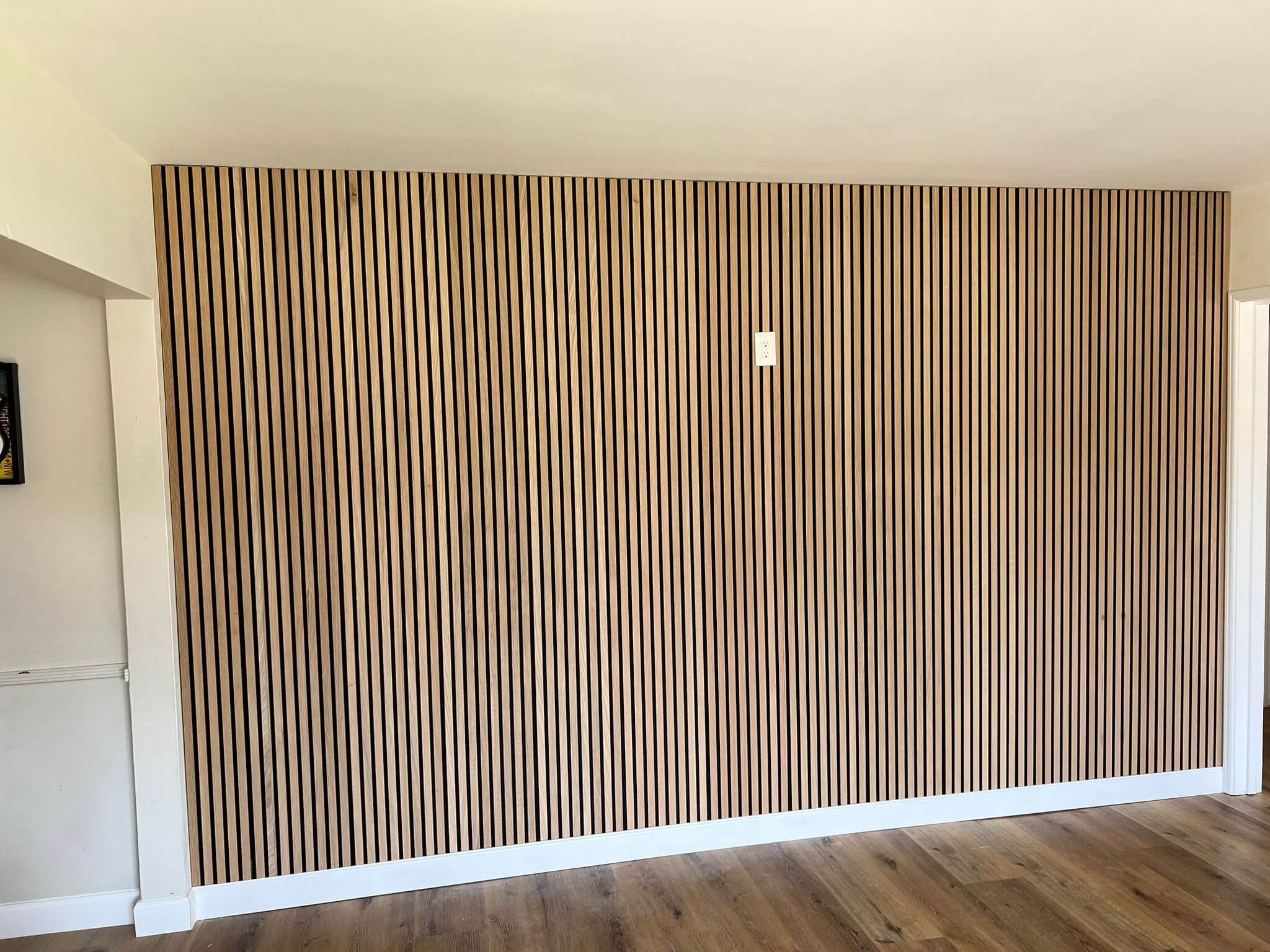
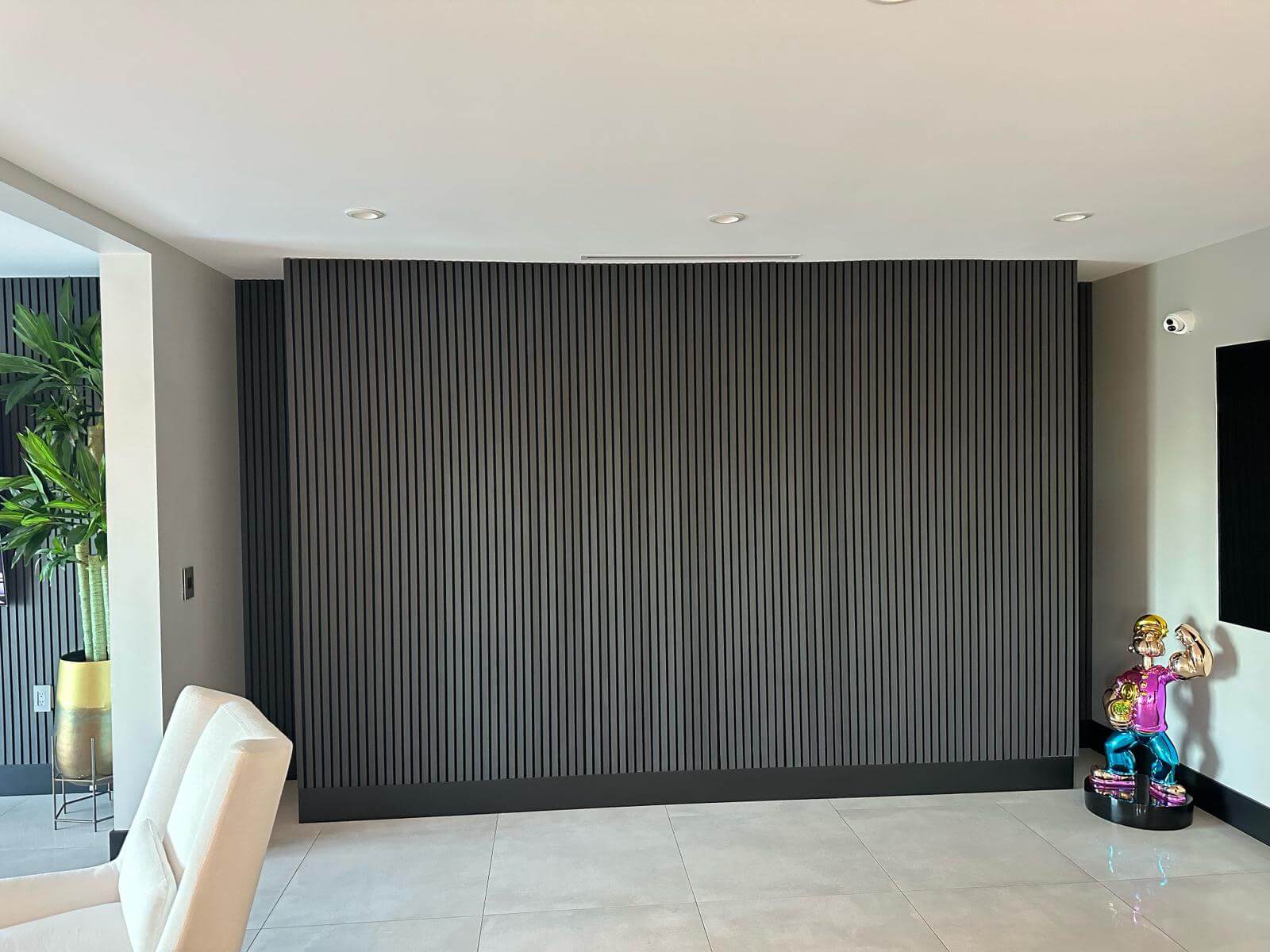
Running travertine panels from floor to ceiling reinforces the wall’s vertical structure and gives the fireplace enough presence to anchor the room. Aligning the panel layout with the width of the firebox or surround keeps the composition unified and avoids the appearance of layered materials competing for attention. Consistent spacing and alignment across seams ensures the surface reads as one continuous installation.
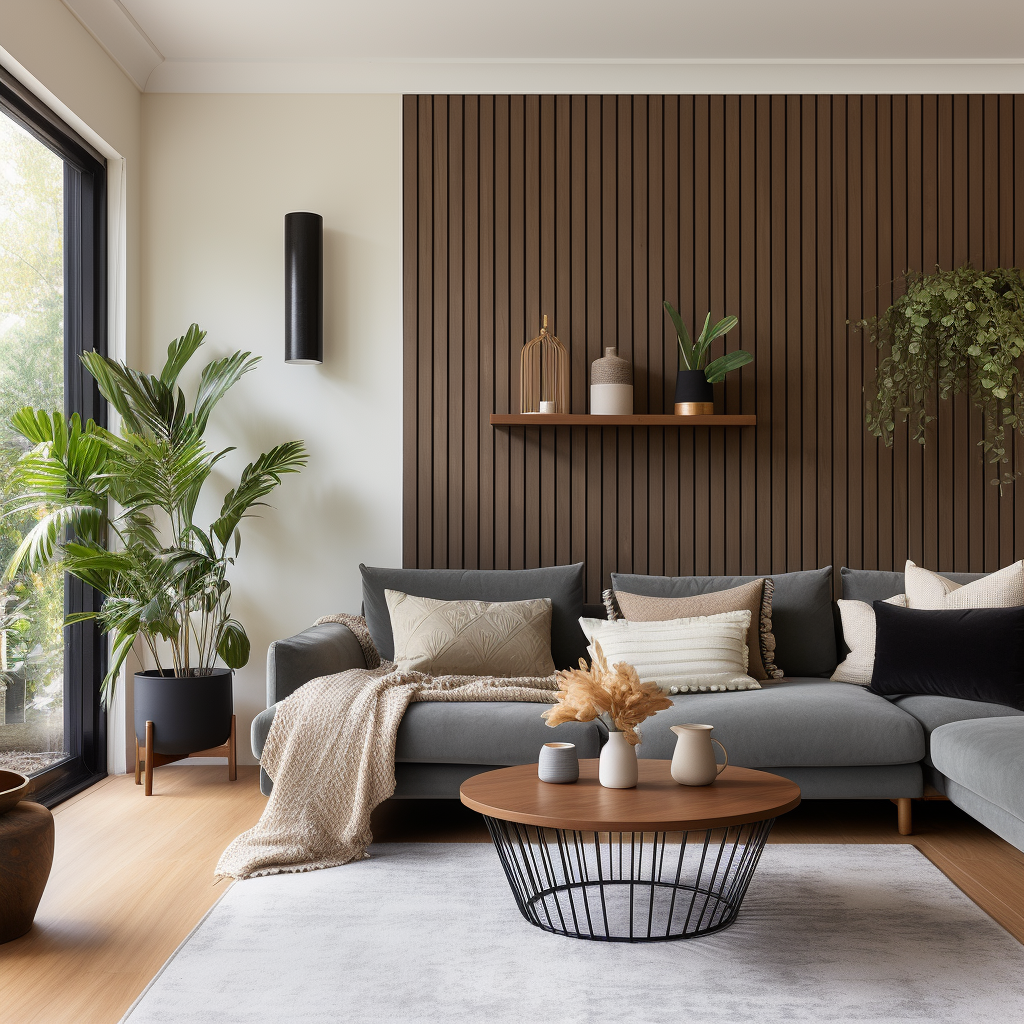
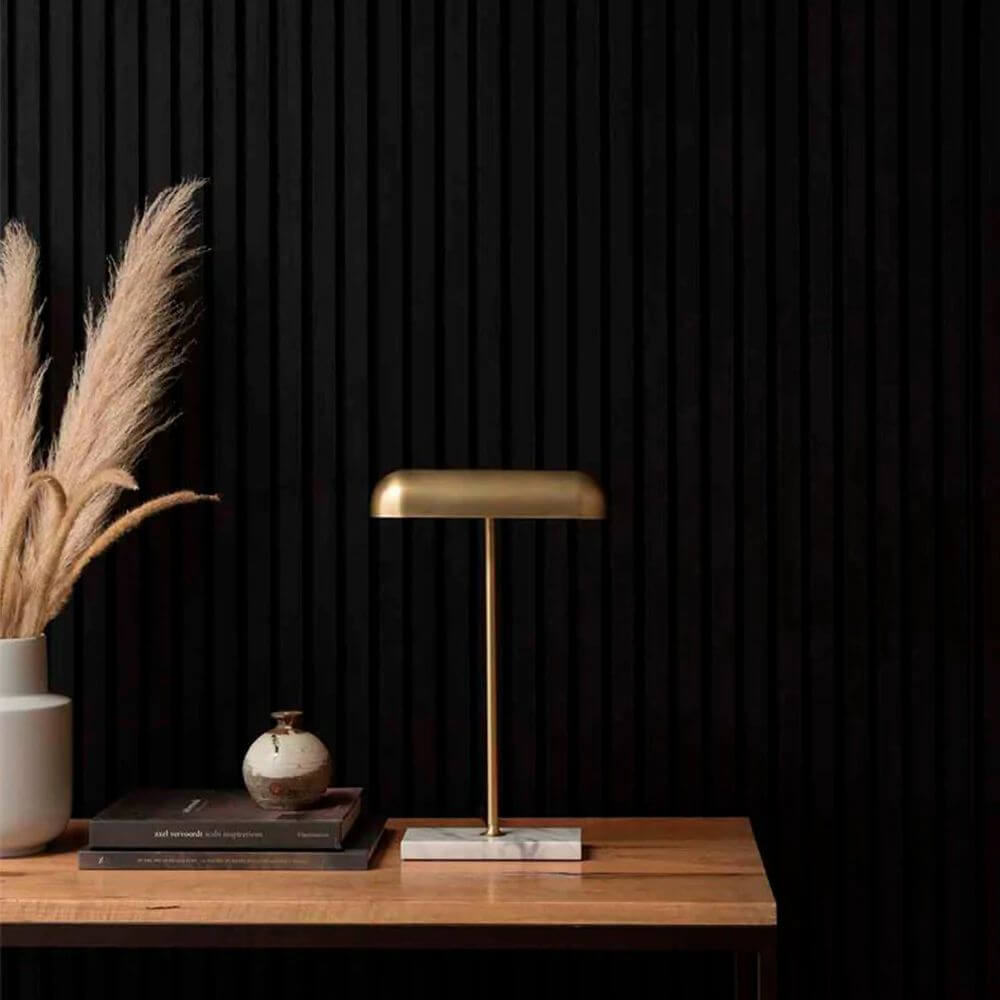
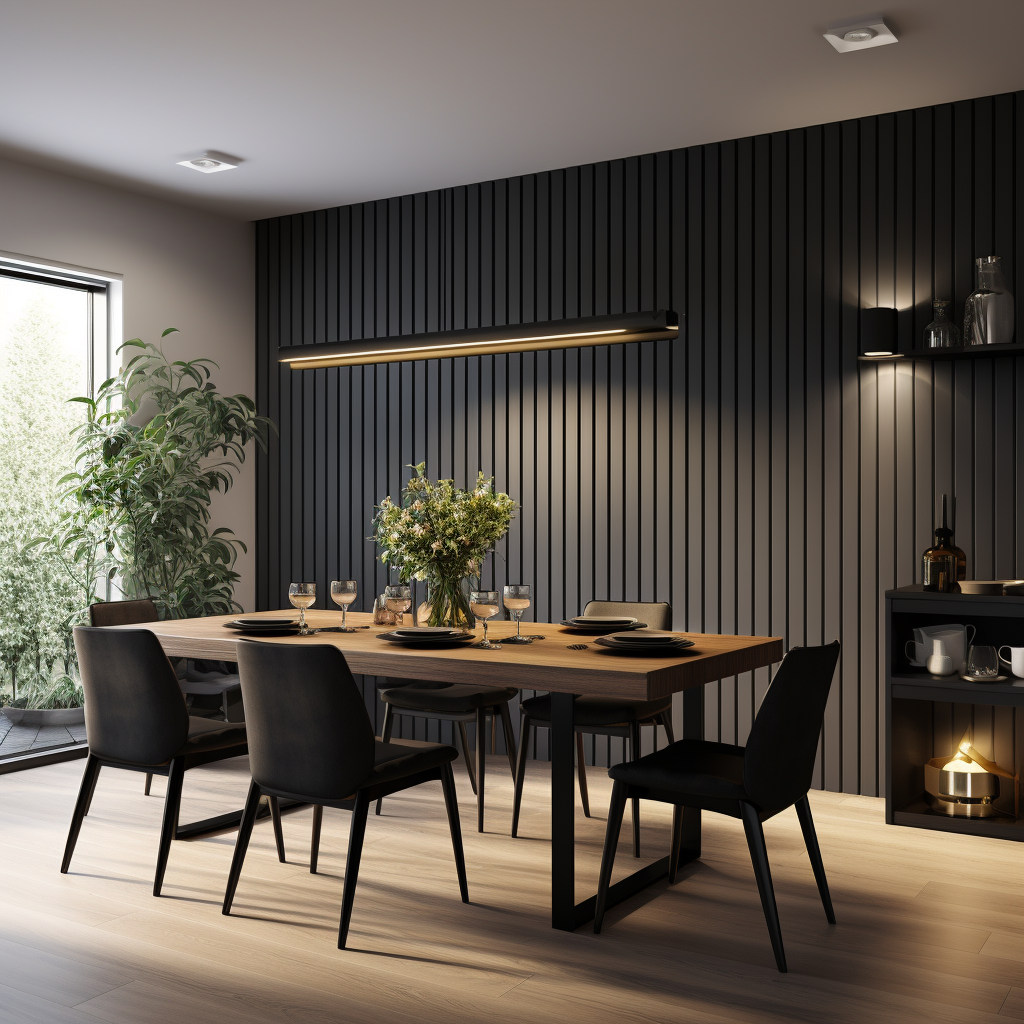
Material variation and lighting determine how much movement the wall carries. Lighter-toned stone panels reflect ambient and firelight, softening the overall effect, while black stone veneer panels hold contrast and create a more defined backdrop. Directional lighting that grazes the surface enhances the stone’s natural variation without flattening its texture.
A Shower That Reads as One Continuous Surface
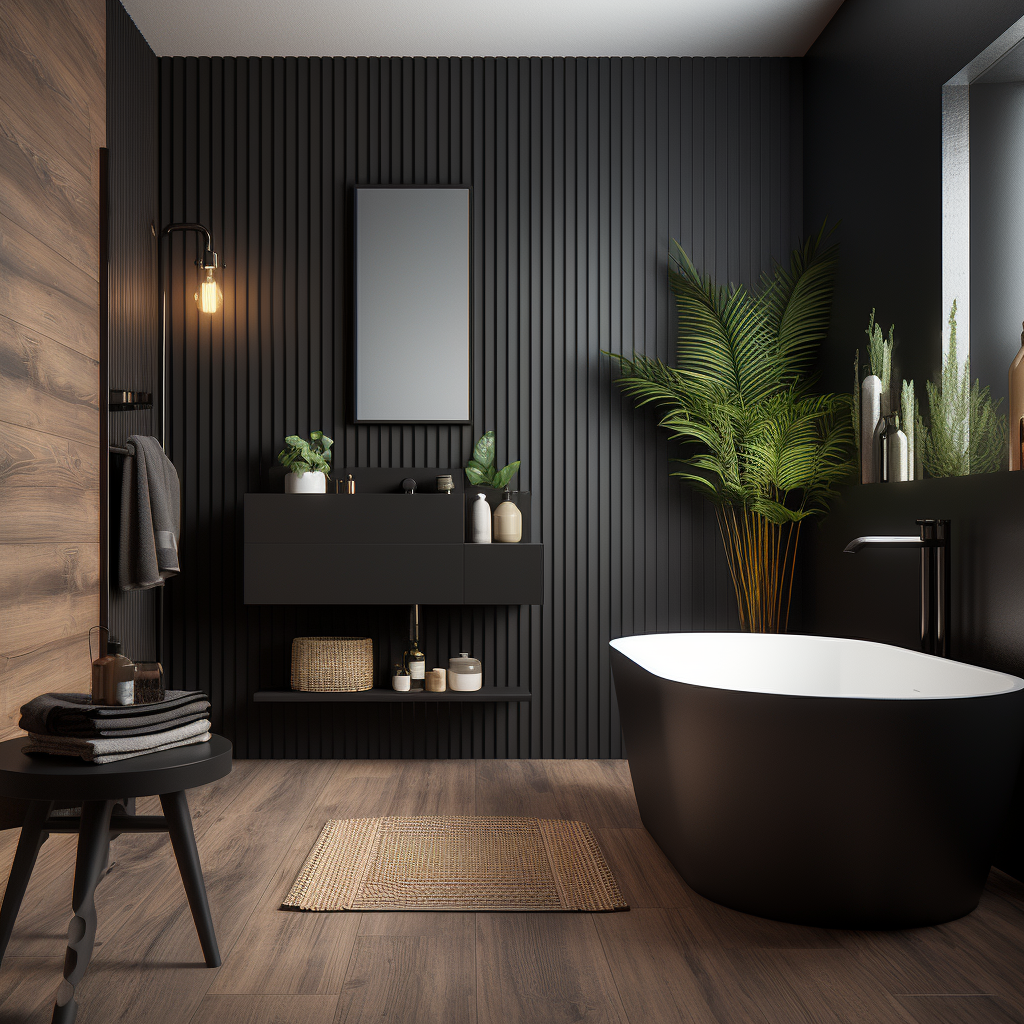
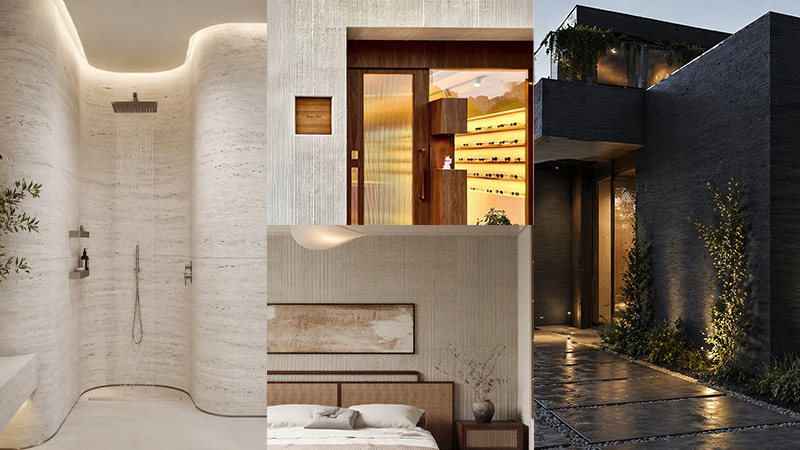
Stone veneer panels reduce visual interruption by allowing the material to move across all shower walls without the grid pattern created by smaller tile formats. Carrying the same surface across each plane creates continuity and eliminates the segmented look that can make enclosed spaces feel smaller. Flexible stone veneer adapts to curved walls and transitions, maintaining a consistent surface through changes in direction.
Installation details impact how clean the final result appears. Minimizing visible seams, aligning panel edges at corners, and maintaining consistent fixture placement all contribute to a more cohesive surface. Keeping finishes uniform across hardware ensures the stone remains the focal point rather than competing with multiple visual elements.
An Entry Wall That Establishes Structure Early
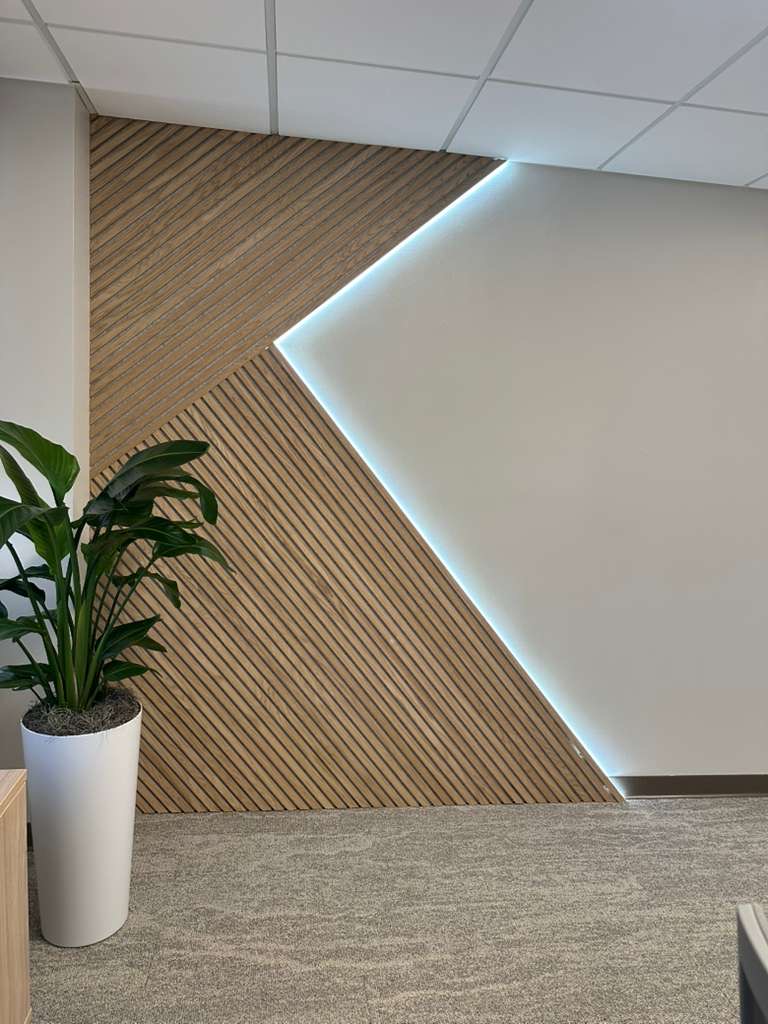
Limiting travertine to a defined section keeps the installation intentional and prevents the material from being overextended across the space. Aligning the edges of the stone panels with a console, mirror, or lighting fixture anchors the placement and ties it directly to the surrounding layout. This approach allows the material to function as part of the structure rather than an applied accent.
Proportion plays a critical role in how the wall reads. The width and height of the installation should relate to the scale of nearby elements so the surface feels balanced within the space. Leaving adjacent walls clear allows the natural variation in the stone veneer panels to carry the visual interest without additional layering.
An Exterior Surface That Adds Depth Without Bulk
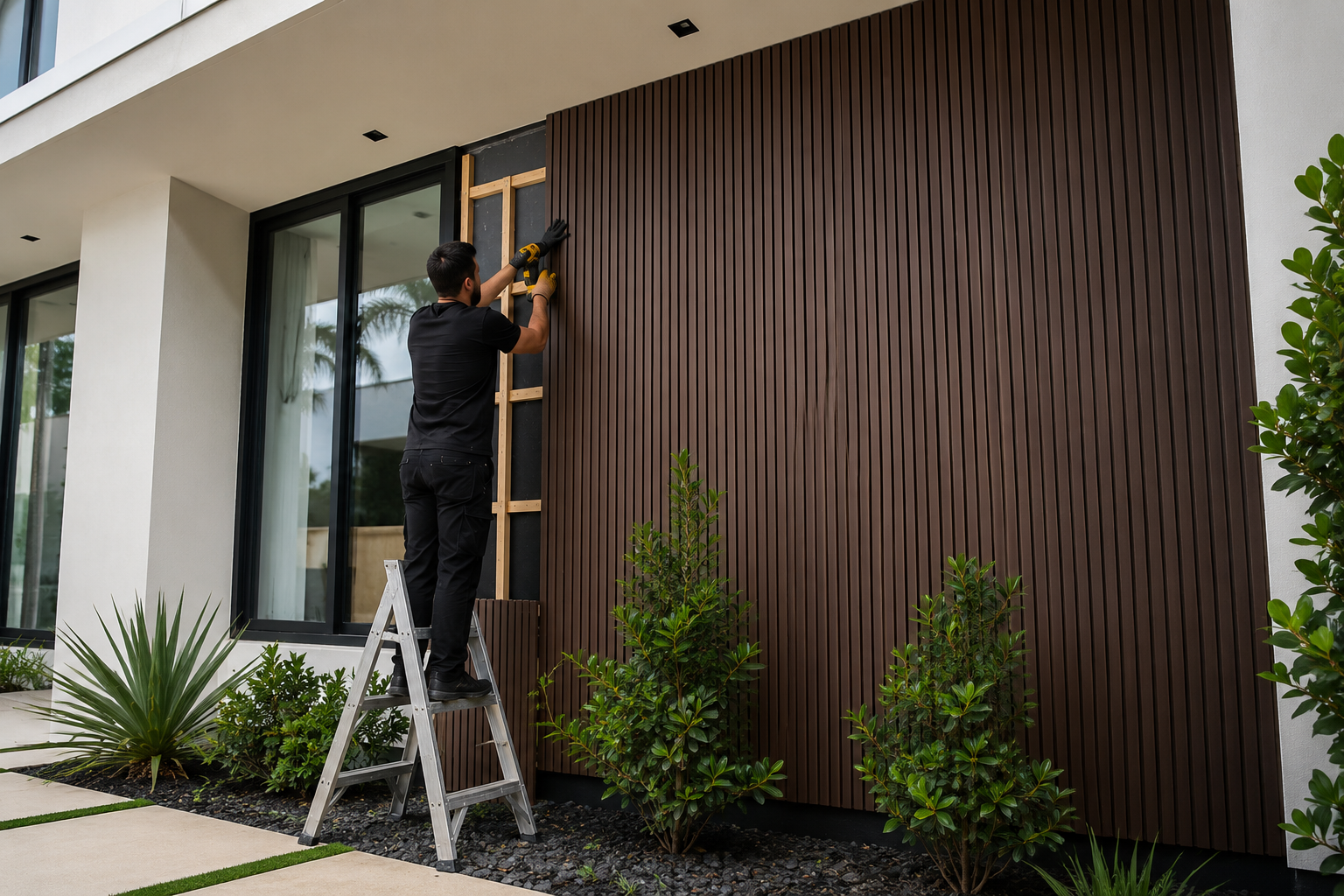
Flexible stone veneer provides the texture and variation of natural stone without the weight and structural demands of traditional installation. Its ultra-thin profile allows it to be applied across facades, vertical sections, and architectural features with greater efficiency and fewer planning constraints. This makes it a practical solution for areas where full stone would require additional support.
Using the material on one primary exterior surface maintains clarity in the design and prevents visual overload. Natural light interacts with the surface throughout the day, highlighting the stone’s variation, while integrated exterior lighting extends that effect after dark. Placement and restraint ensure the material remains a defining feature rather than a background element.
A Bedroom Wall That Replaces the Headboard
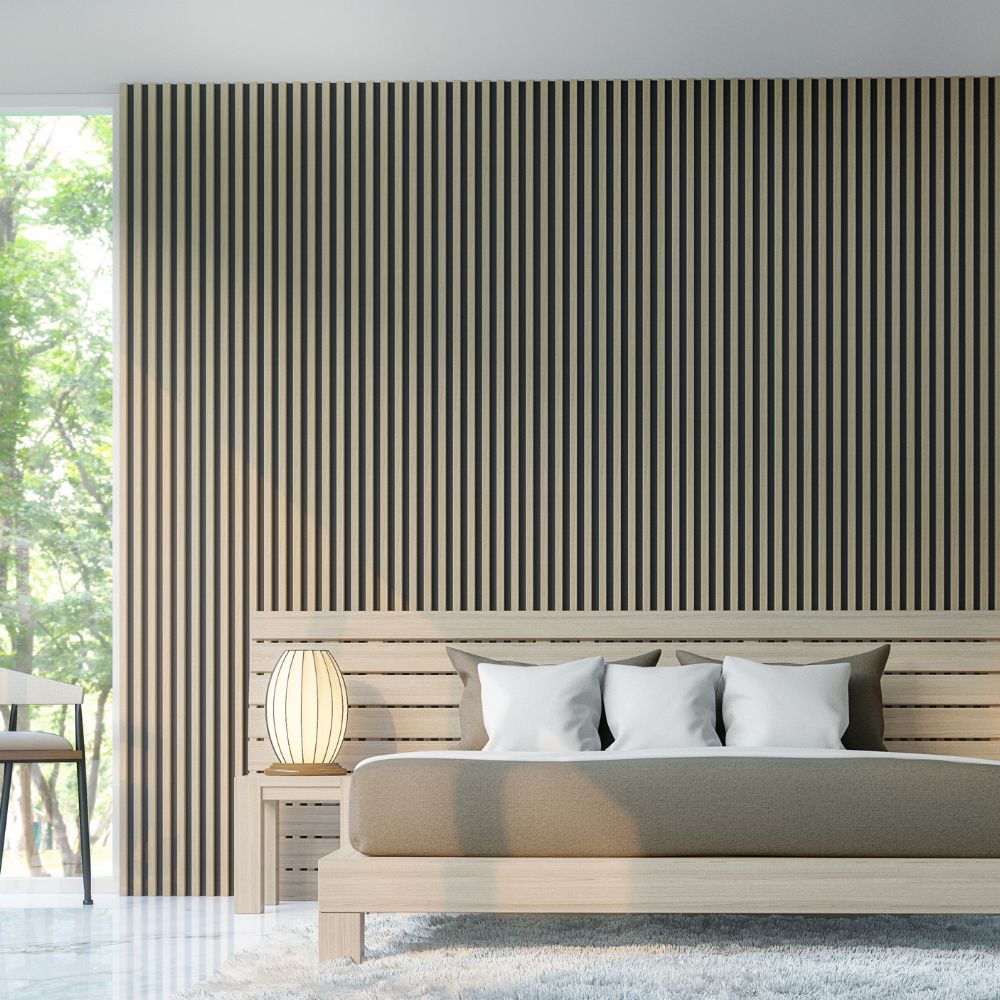
Extending travertine panels beyond the width of the bed creates a defined backdrop that replaces the need for a separate headboard. This approach simplifies the layout while maintaining structure, allowing the wall to carry the visual weight of the space. Keeping the installation centered and proportionate to the bed ensures the composition feels balanced.
Lighting placement shapes how the surface functions in the room. Fixtures positioned to the side or slightly above highlight the texture without overwhelming the space, while softer ambient lighting maintains a more relaxed atmosphere. Limiting additional materials and finishes keeps the stone panels the primary feature.
Build Something Solid with Stone Panels
At Wood Panel Wall Miami, we help you plan how stone panels will live within your space, from layout through final placement. You can visit in person, connect by phone, or order directly online. Review the collection, request samples, and move forward with a clear direction before installation begins. We look forward to helping you bring your vision to life.