Small Space Strategy: Using Wood Paneling to Expand and Define Compact Rooms
Small spaces amplify every design decision. The right material can open them up, while the wrong one can make them feel tighter and more constrained. The goal is to guide how the eye moves through the room and where it settles. Designer slat wood paneling introduces rhythm, direction, and depth without adding clutter. When placed correctly, it helps a compact space feel more structured and more open at the same time.
Here’s how to use wood paneling to shape a small space with clarity.
Use Vertical Lines to Create Height
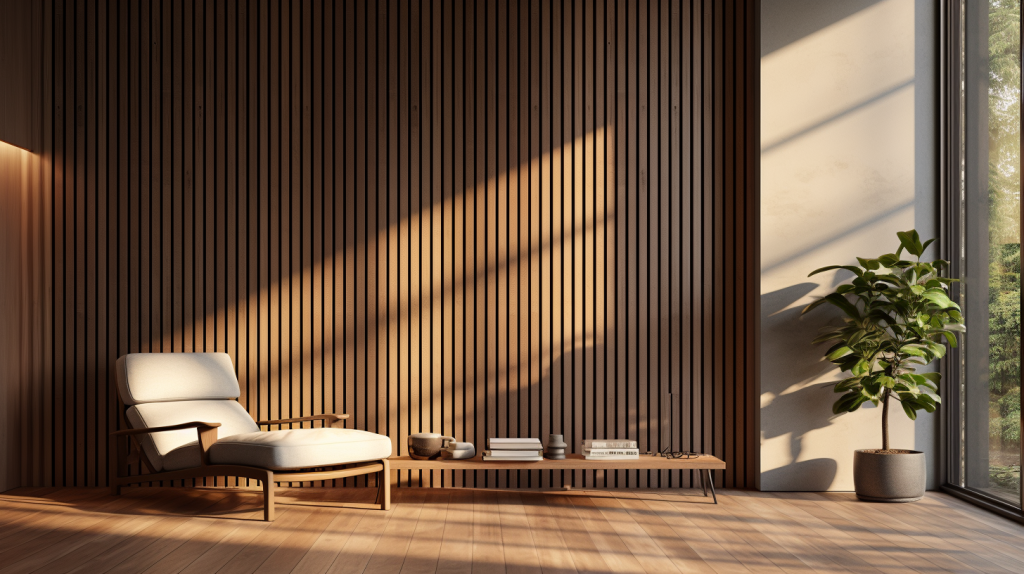
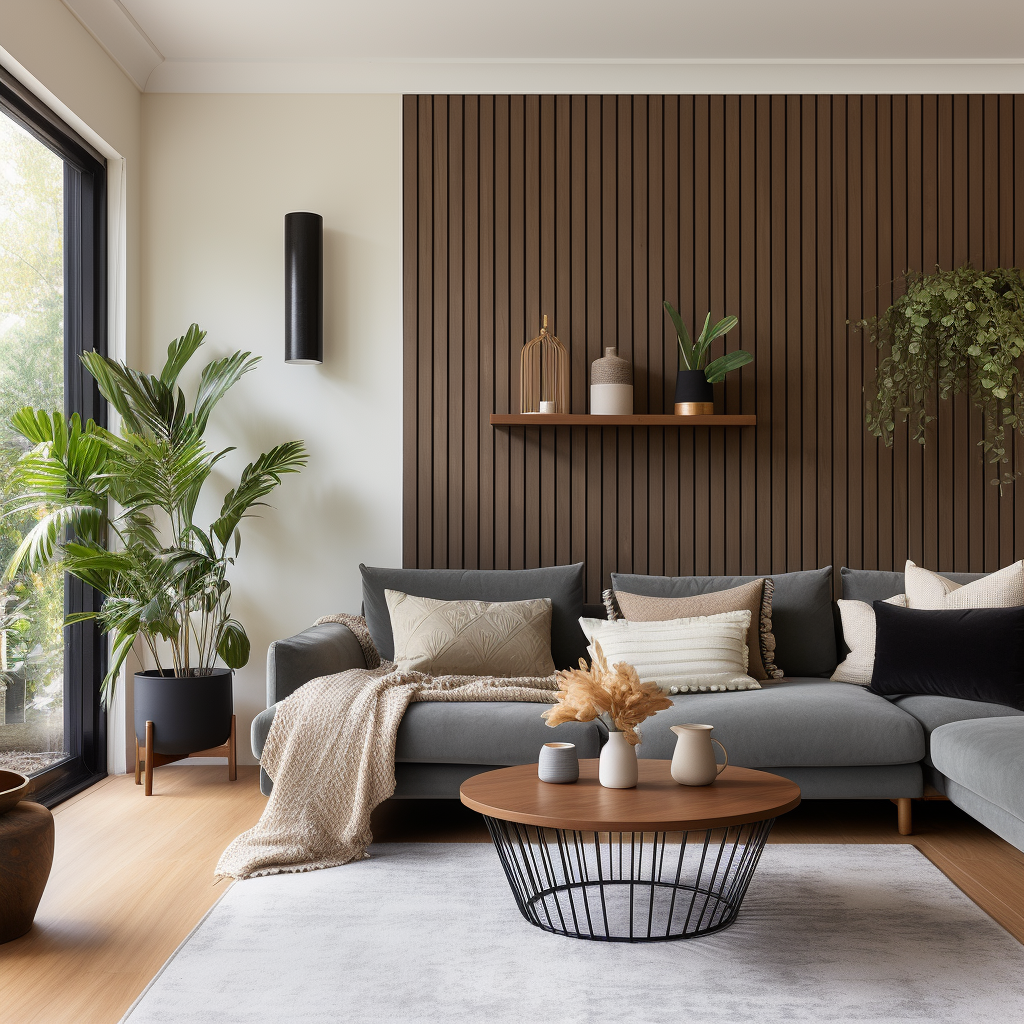
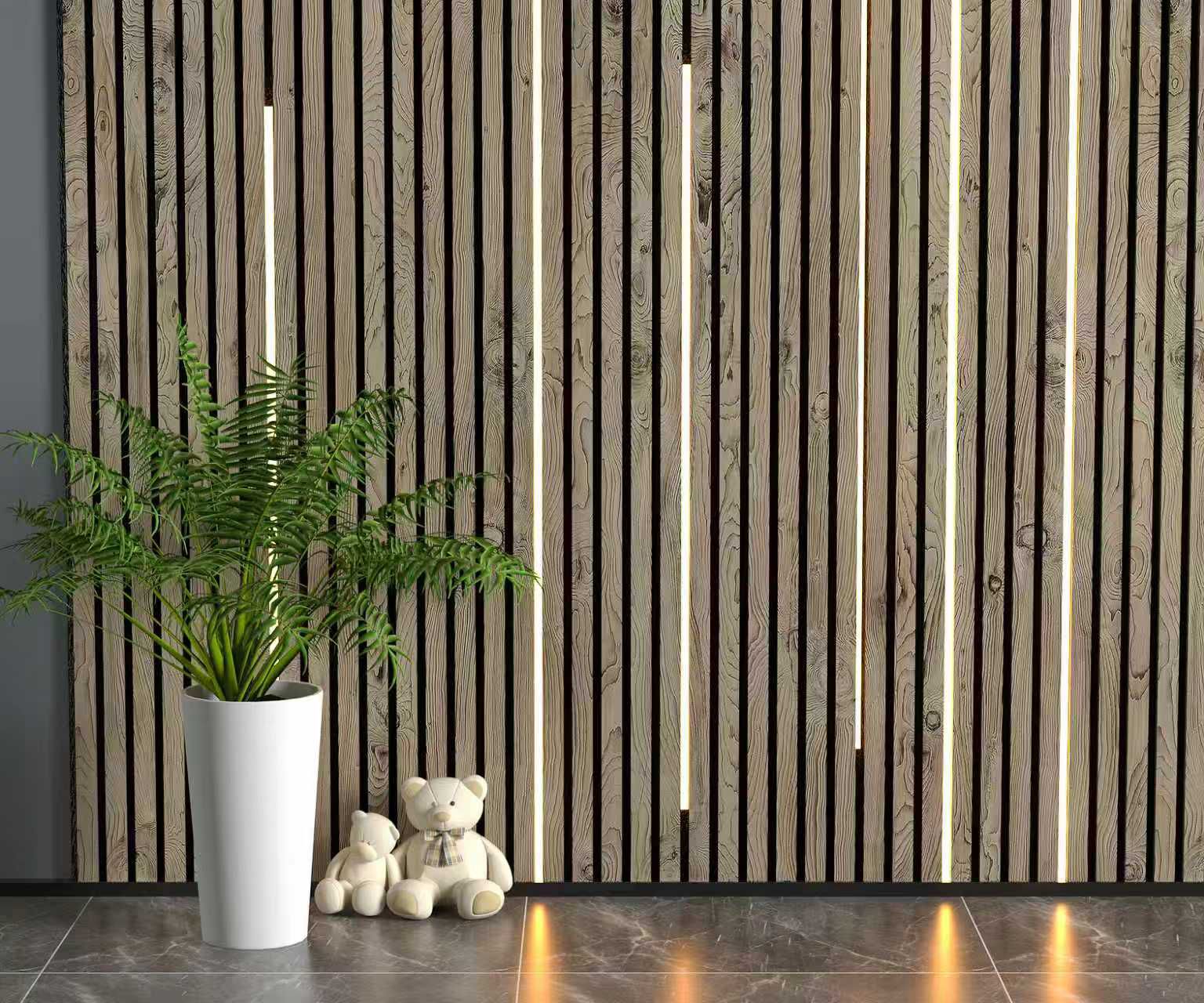
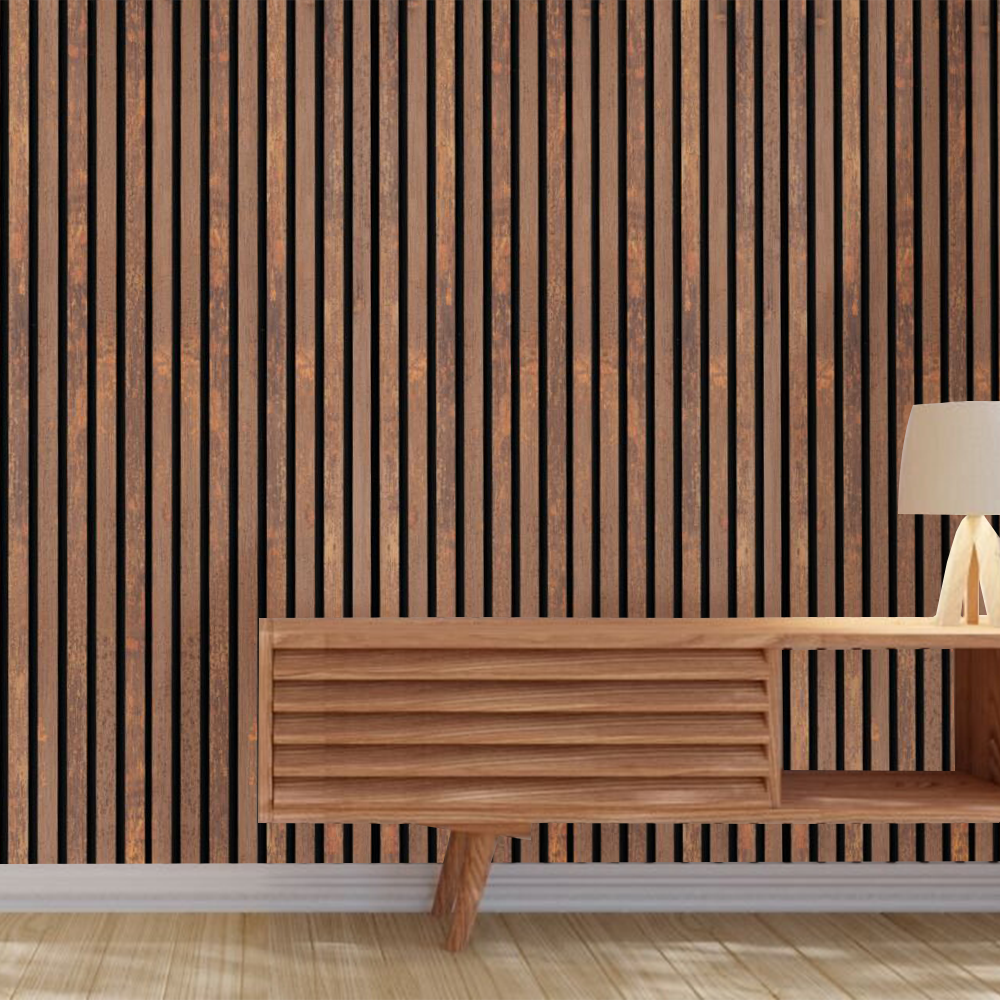
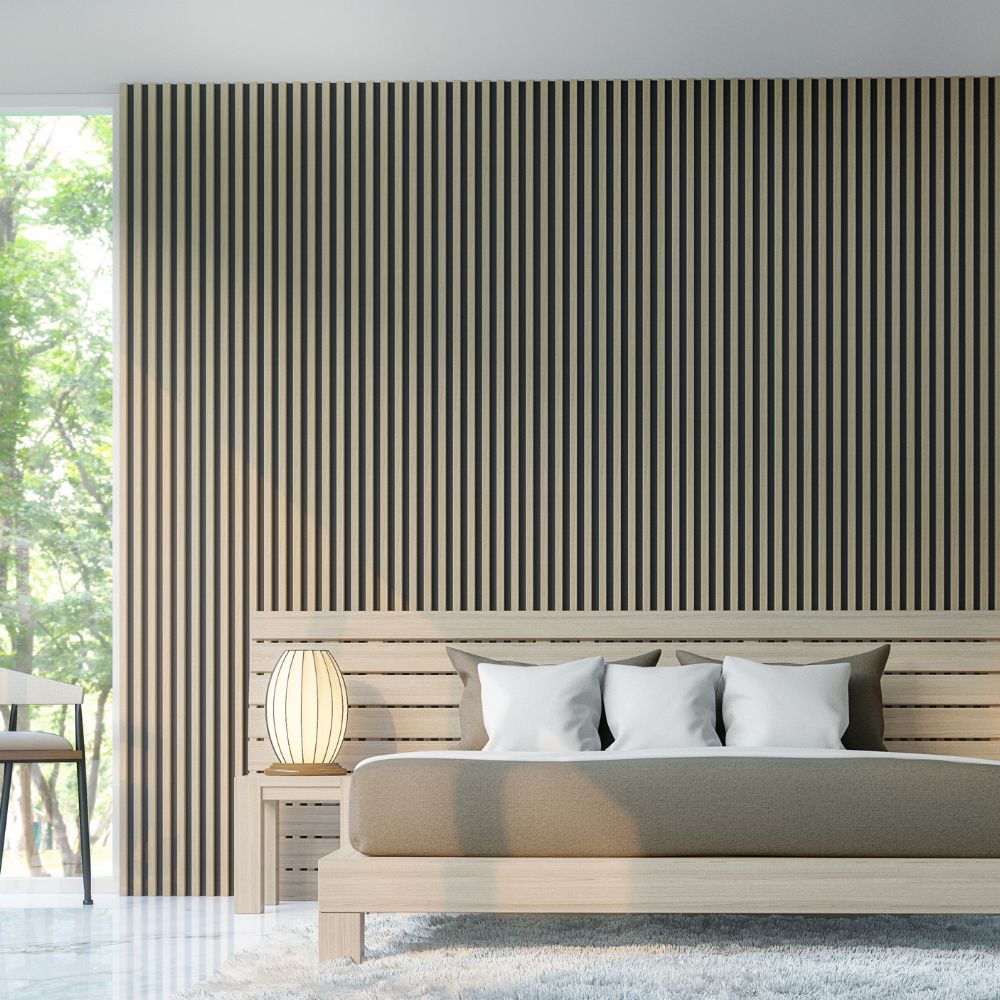
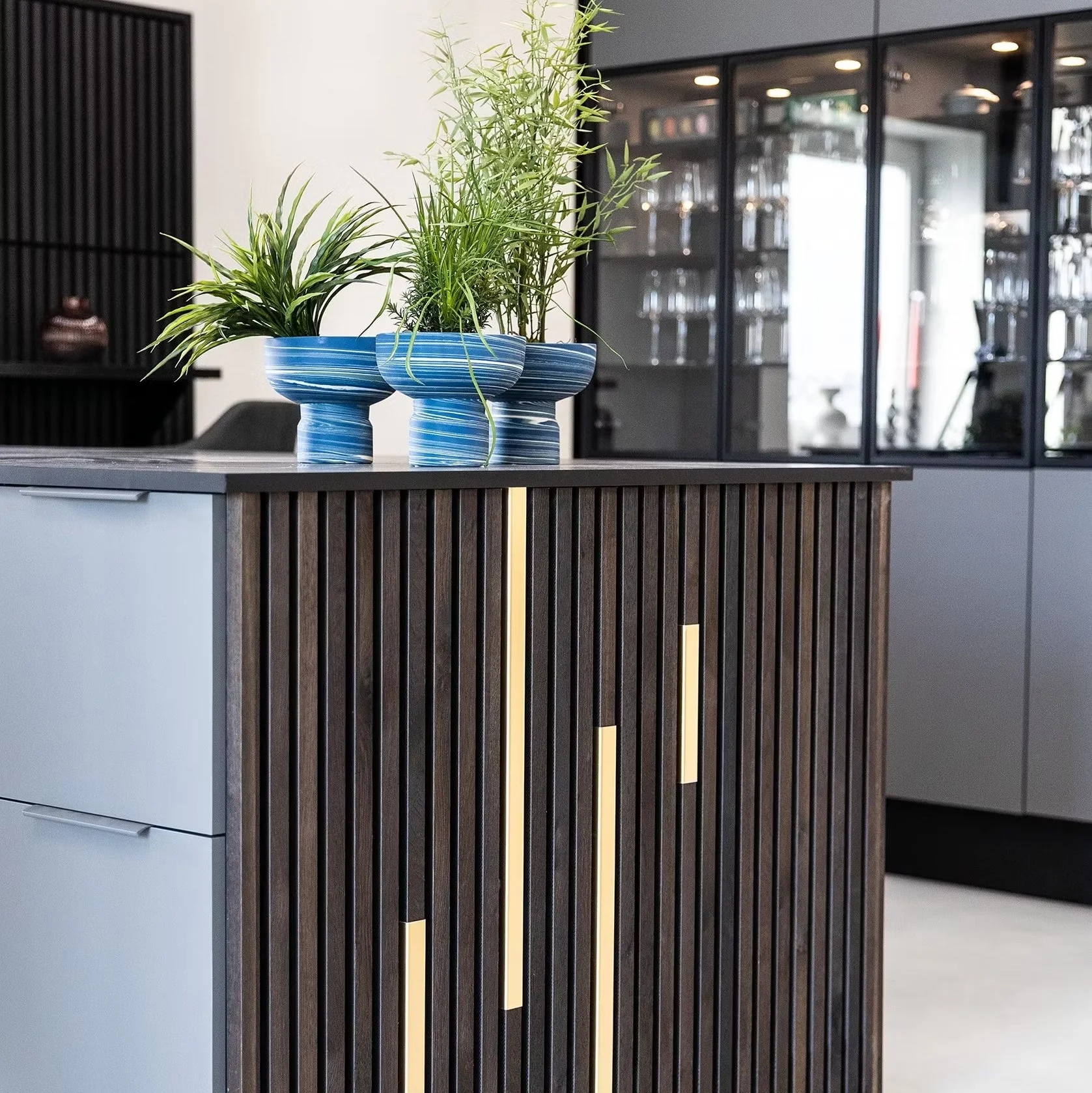
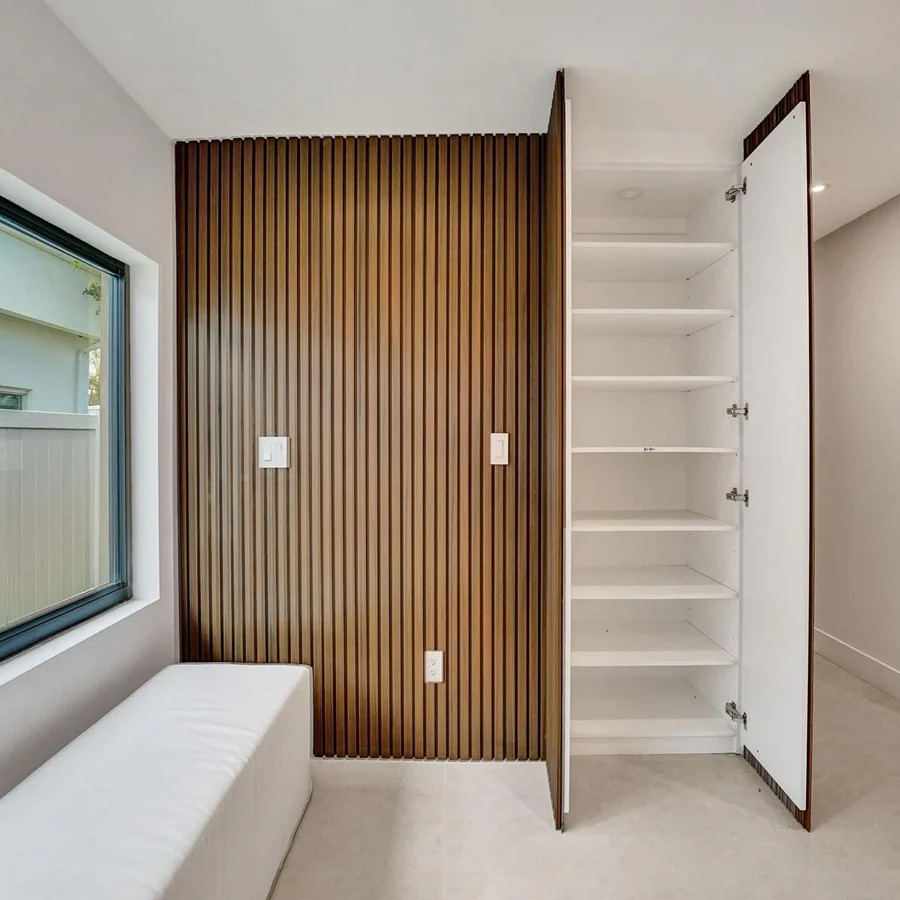
Vertical wood paneling naturally draws the eye upward, helping ceilings feel taller, and the room feel less compressed. This becomes especially important in spaces with standard or lower ceiling heights. The continuous line gives the wall a sense of extension beyond its actual dimensions.
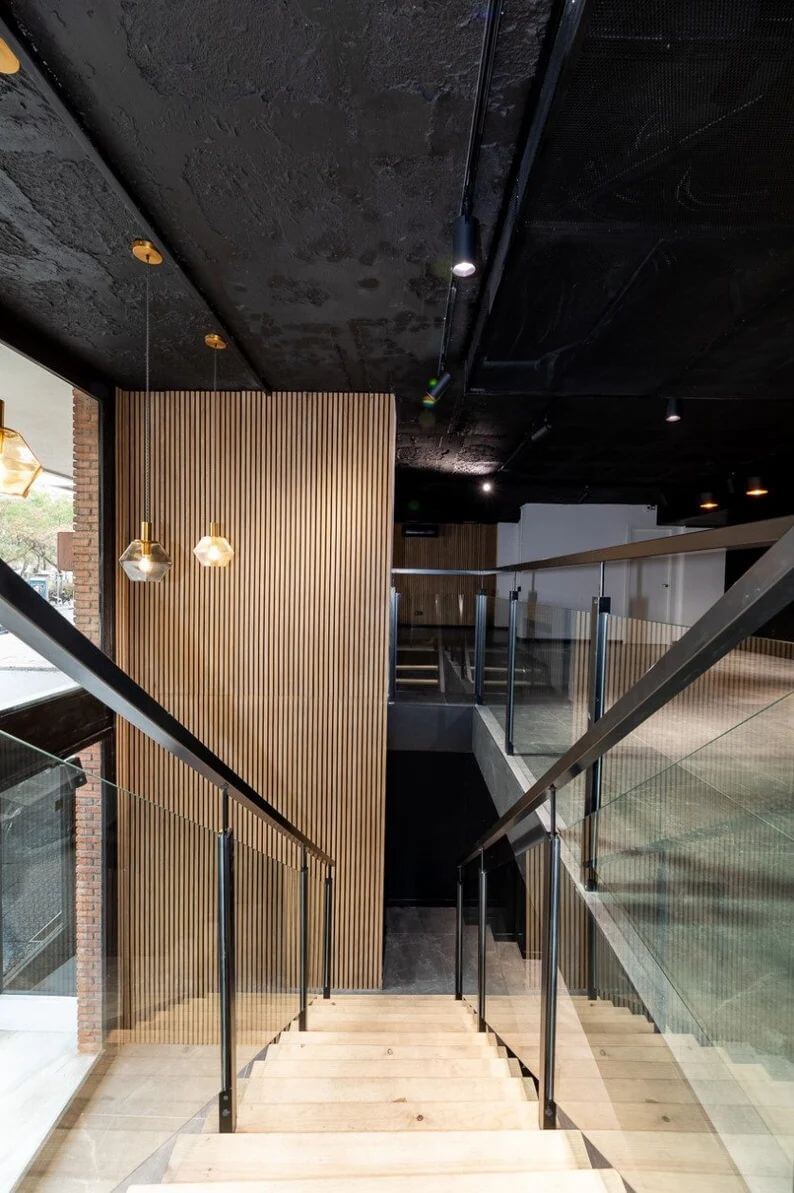
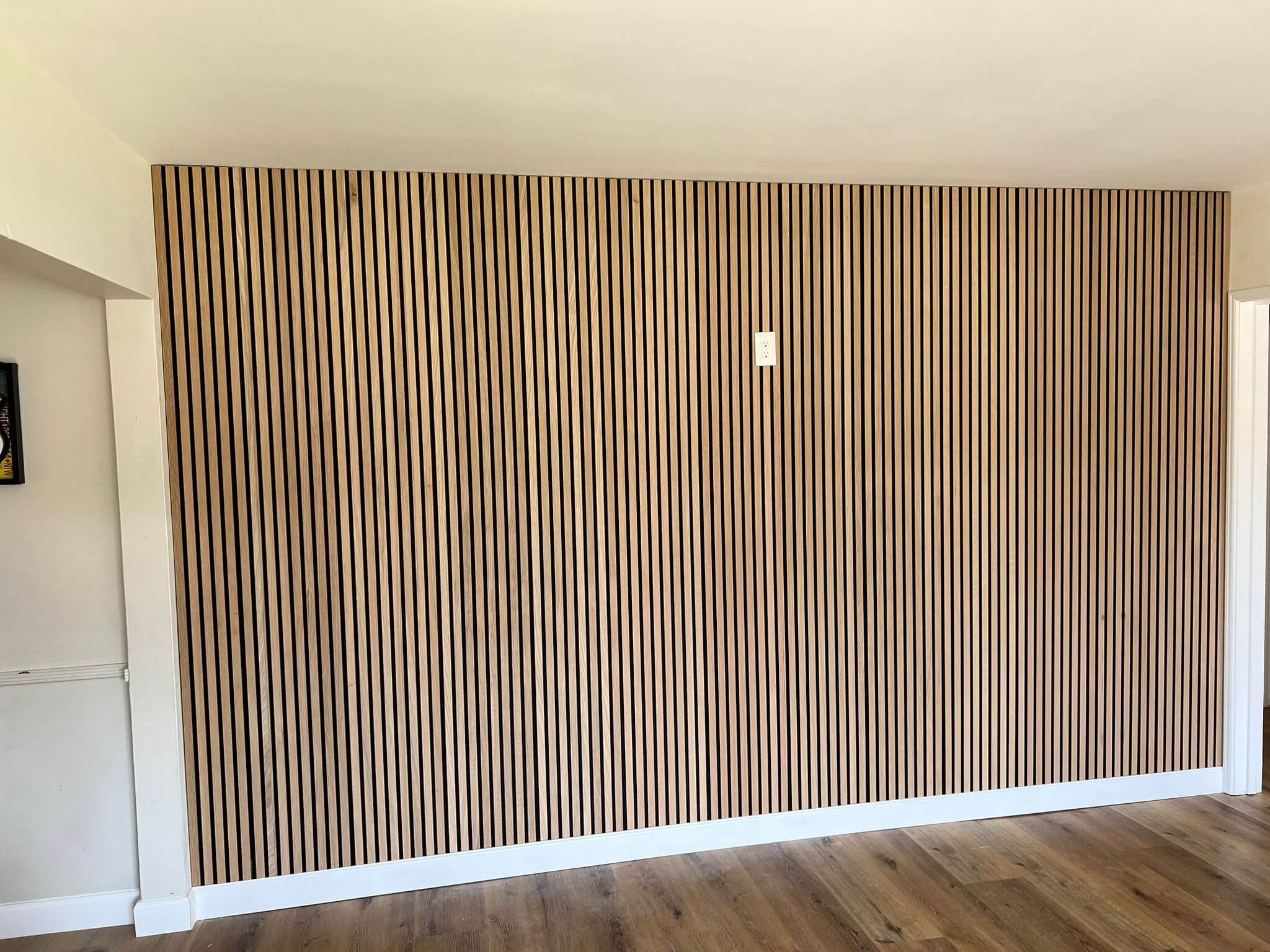
Run the panels floor to ceiling to maintain that upward movement. Avoid stopping the panels at mid-wall, which can visually cut the height in half. If the ceiling is lower, choose narrower spacing between slats so the pattern reads as continuous rather than broken.
Limit Paneling to One Primary Wall
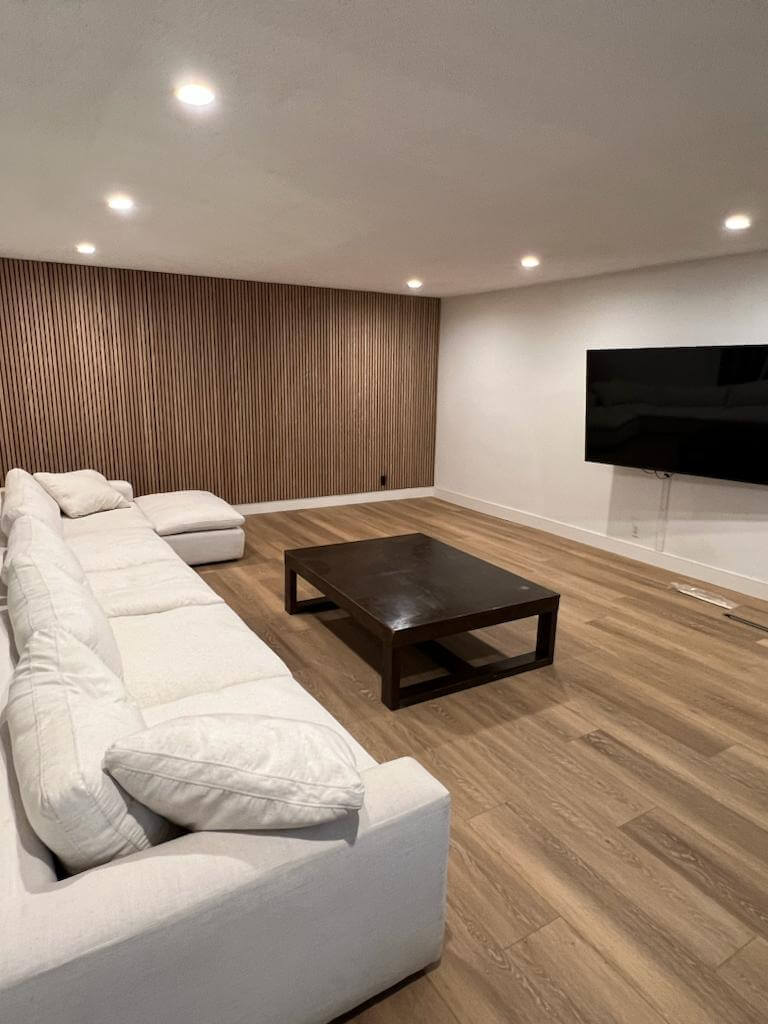
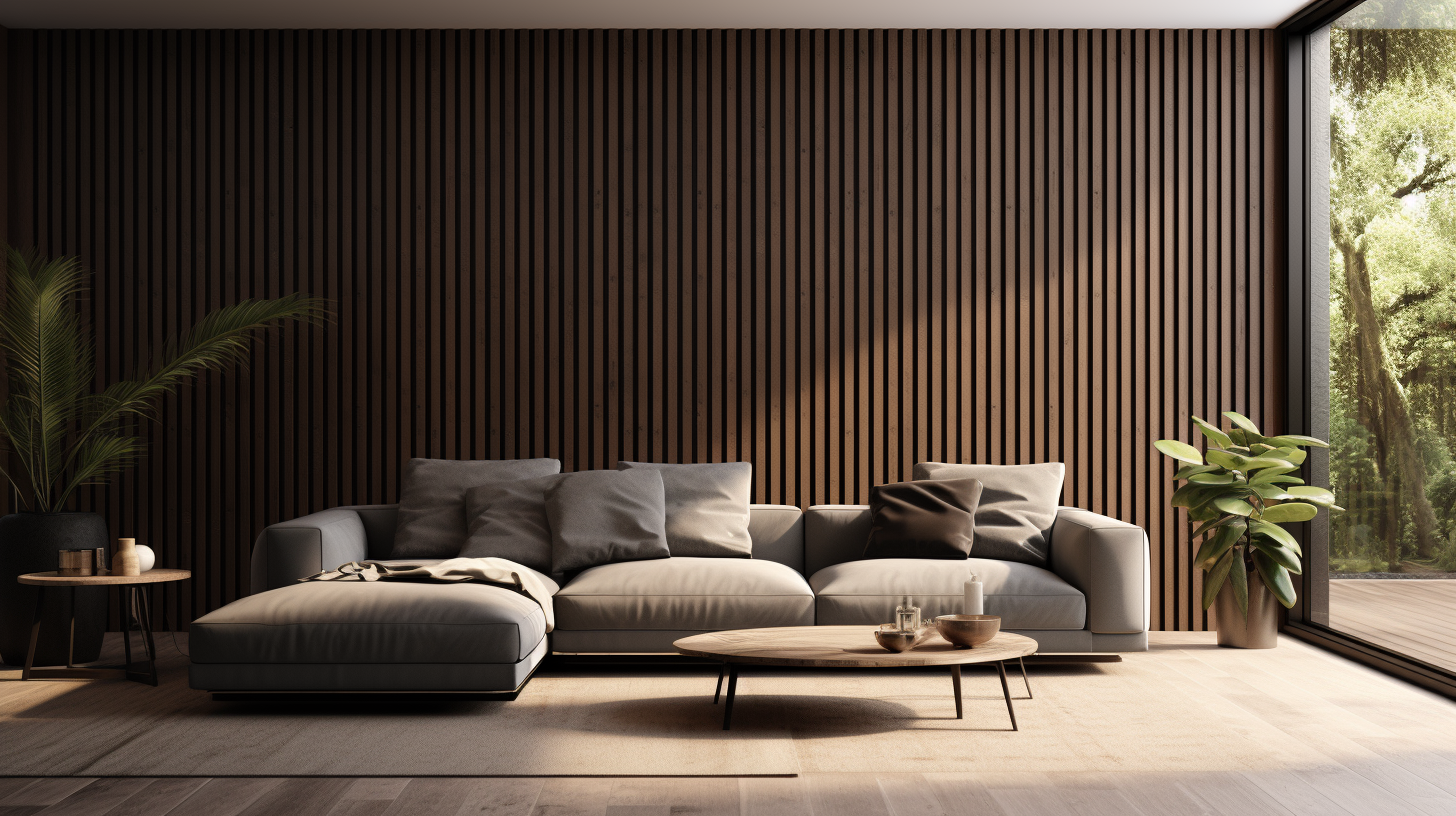
In a compact room, too much paneling can close the space in and compete for attention. Focusing on one primary wall creates structure while allowing the rest of the room to stay open. This balance keeps the texture from becoming overwhelming.
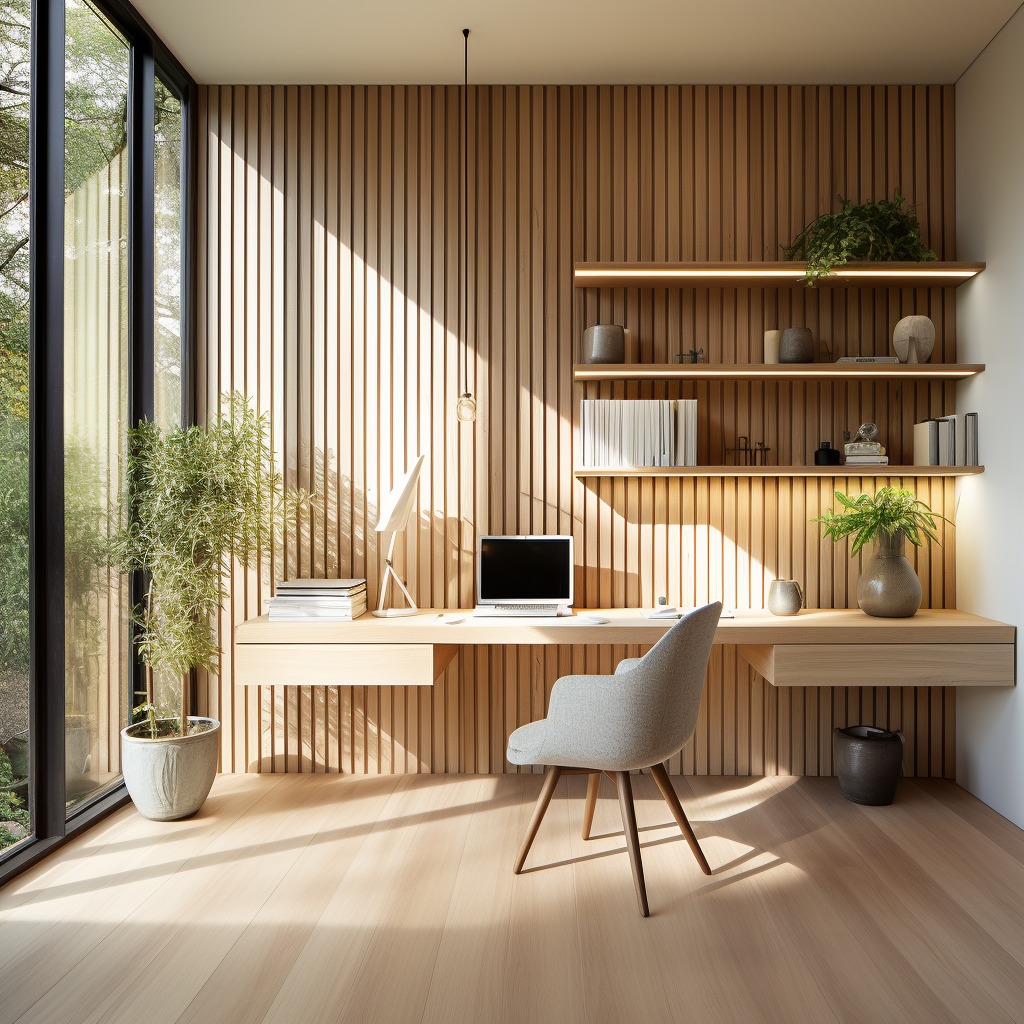
Choose the wall that naturally anchors the space, such as behind a sofa, bed, or desk. Stand in the room and identify where your eye lands first when you walk in. That’s the wall that will carry the most impact when paneled.
Choose Finishes That Reflect Light
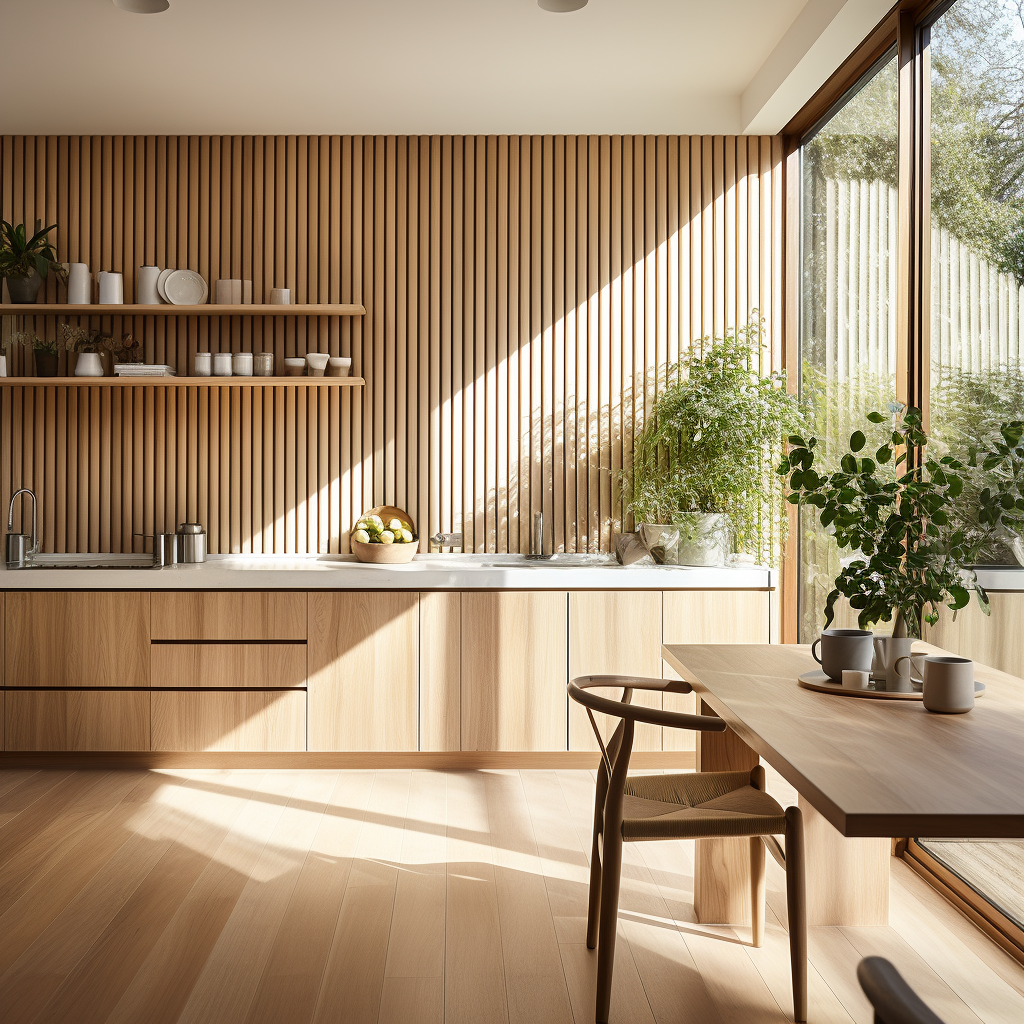
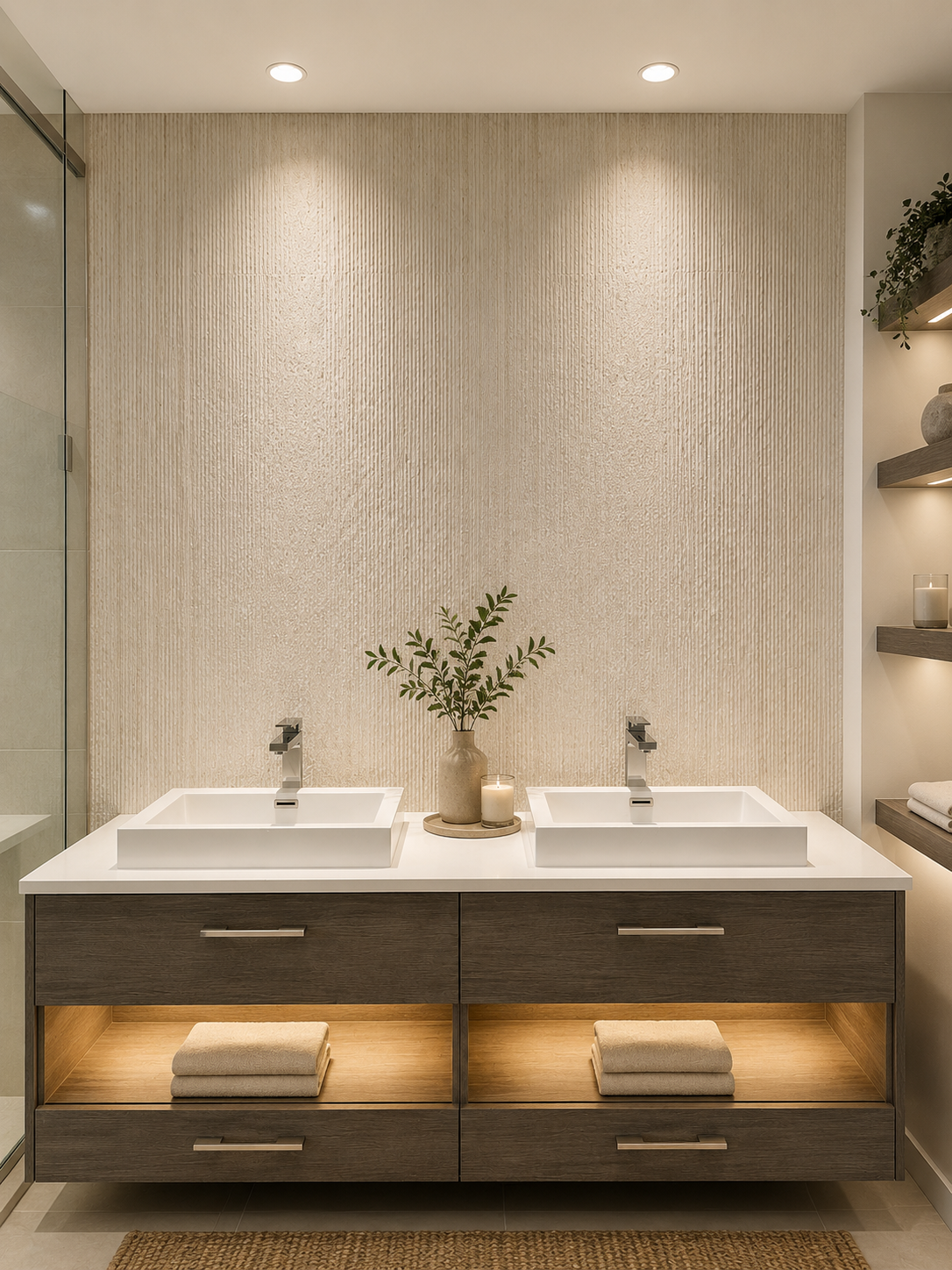
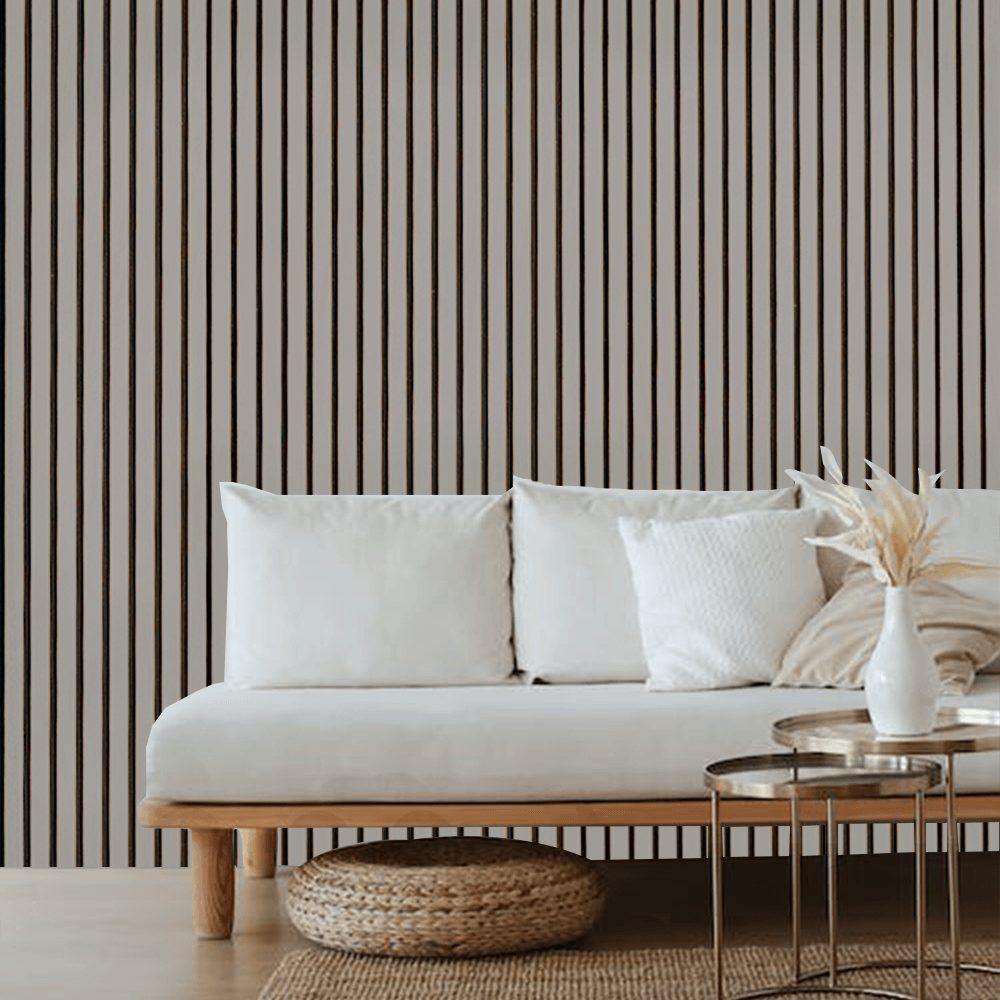
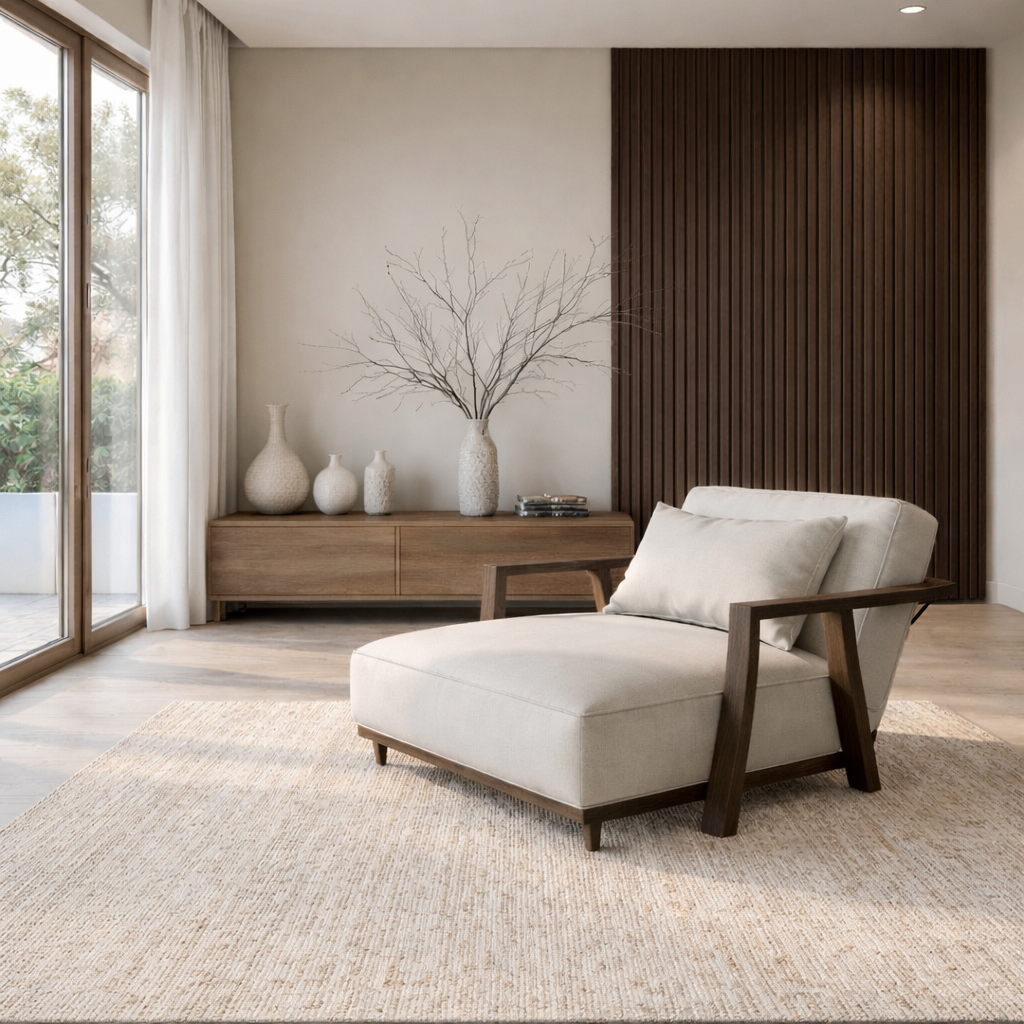
Finish selection directly affects how spacious the room feels. Lighter tones like white oak or natural oak slat wood panels help move light across the surface and prevent the space from feeling heavy. This is especially important in rooms with limited natural light or smaller windows.
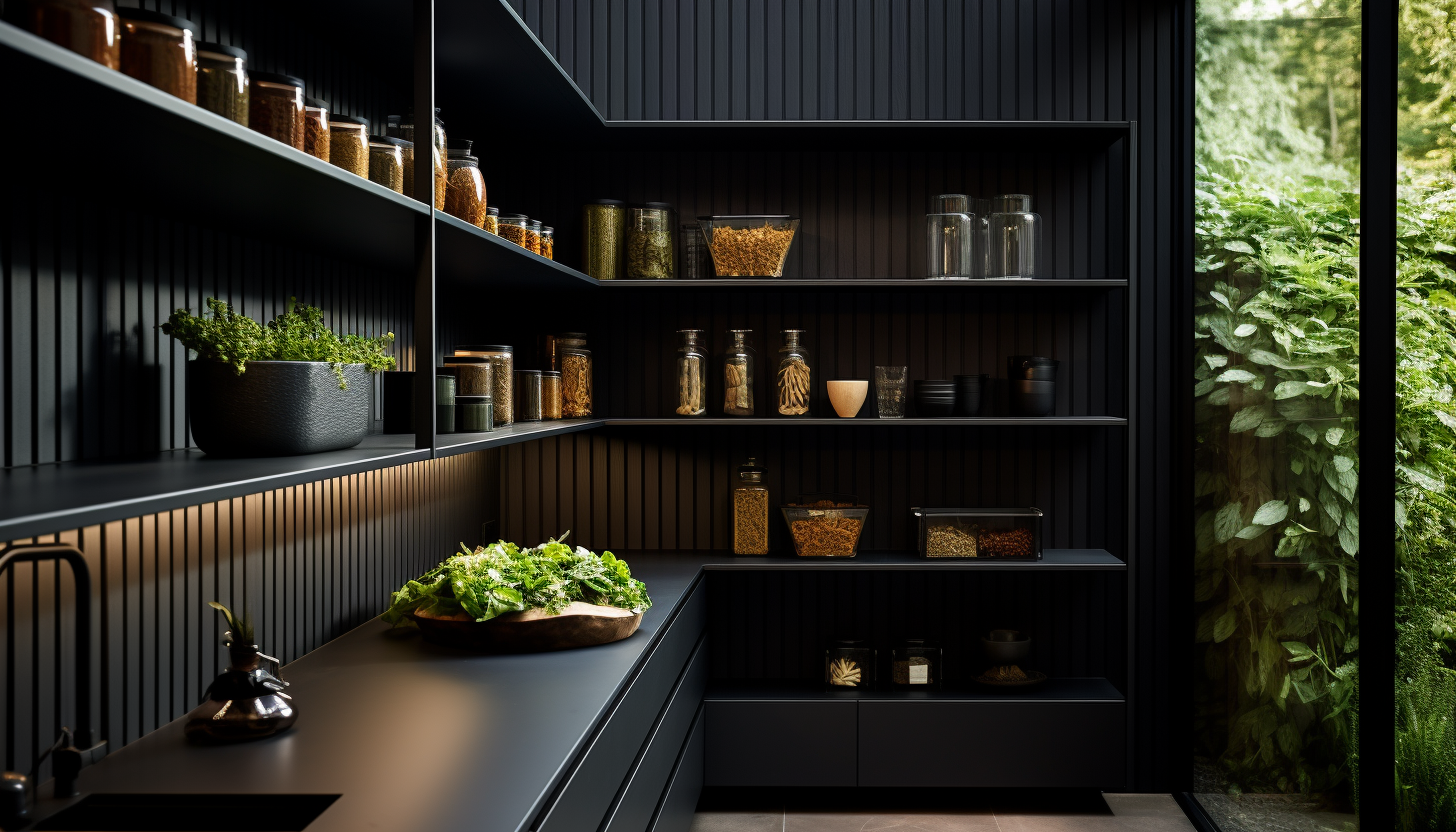
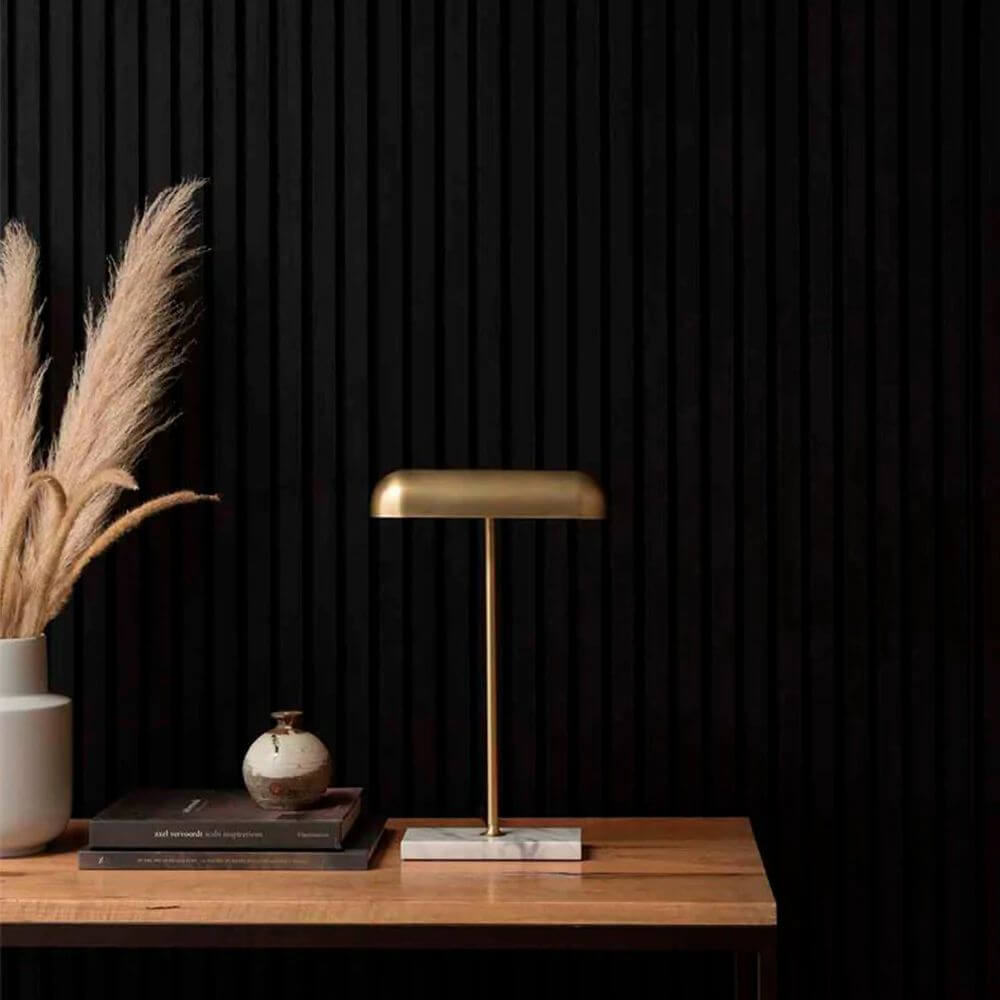
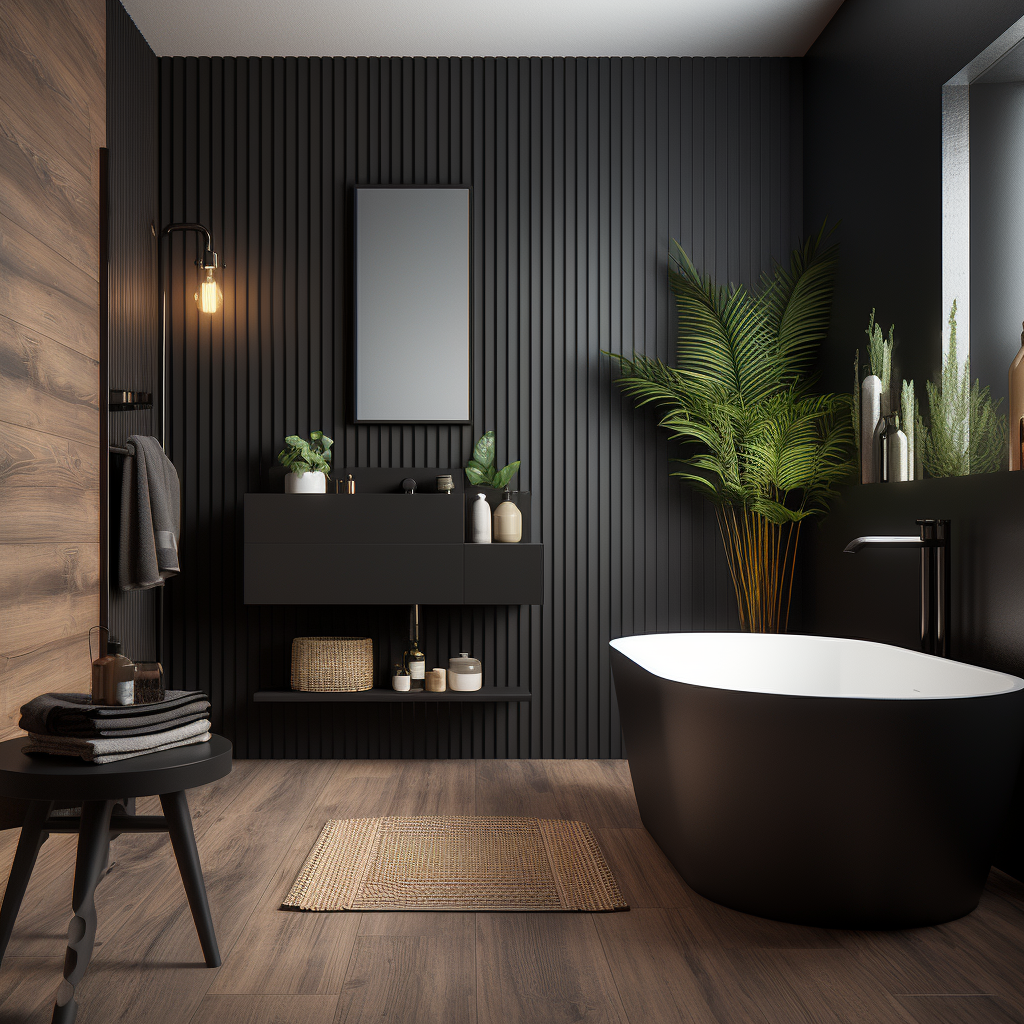
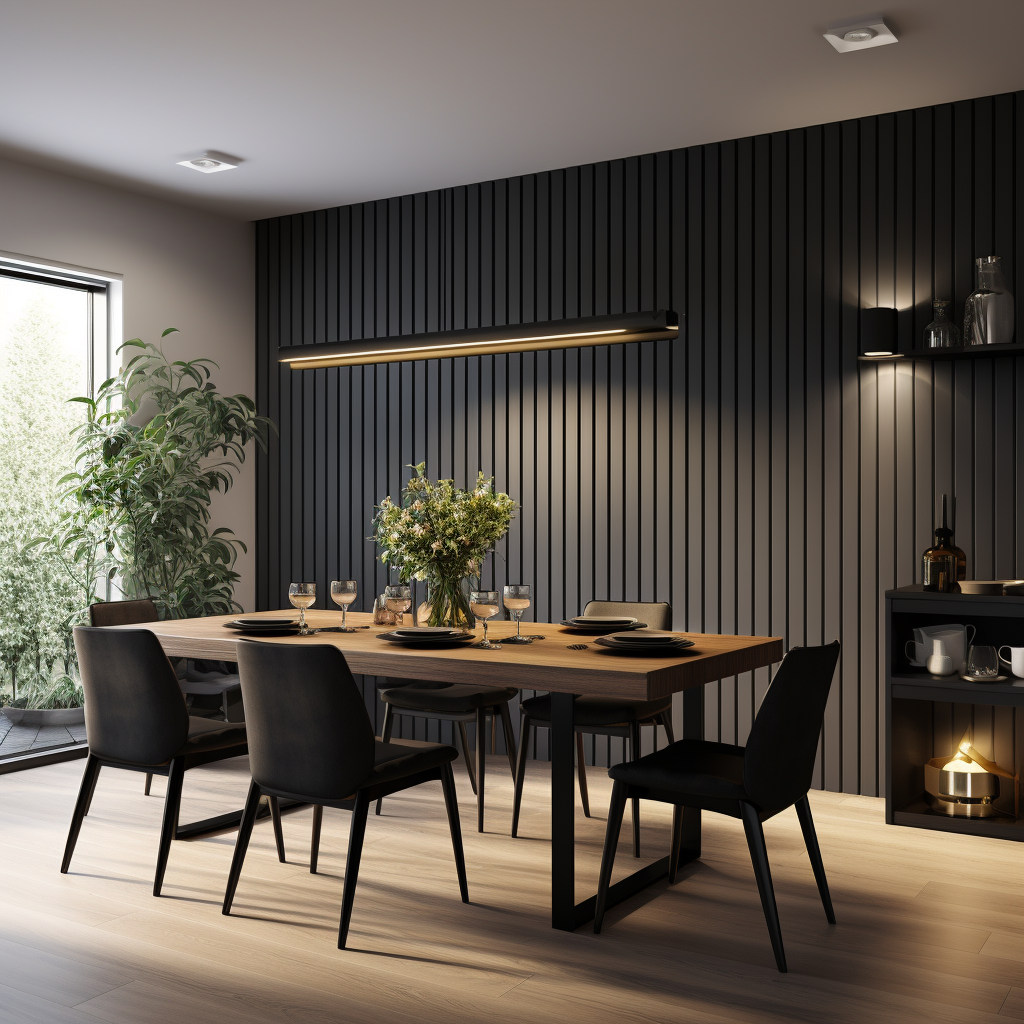
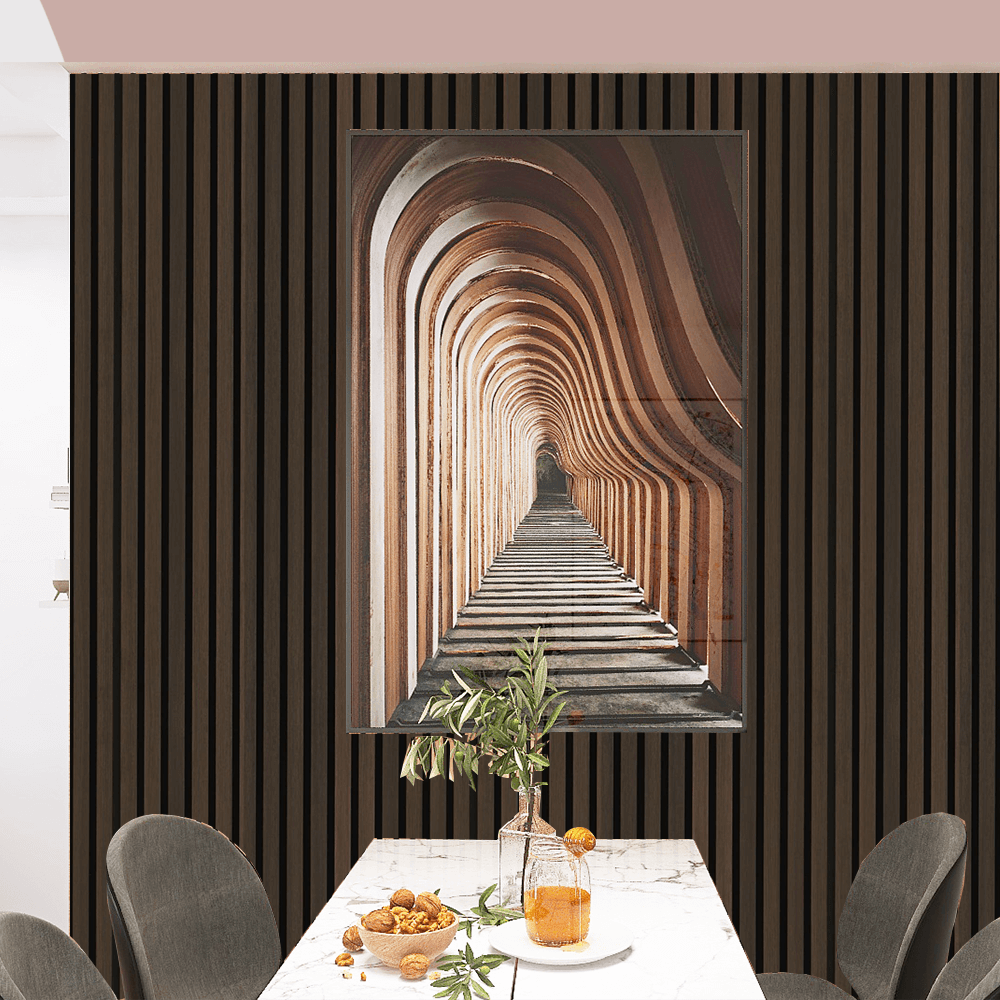
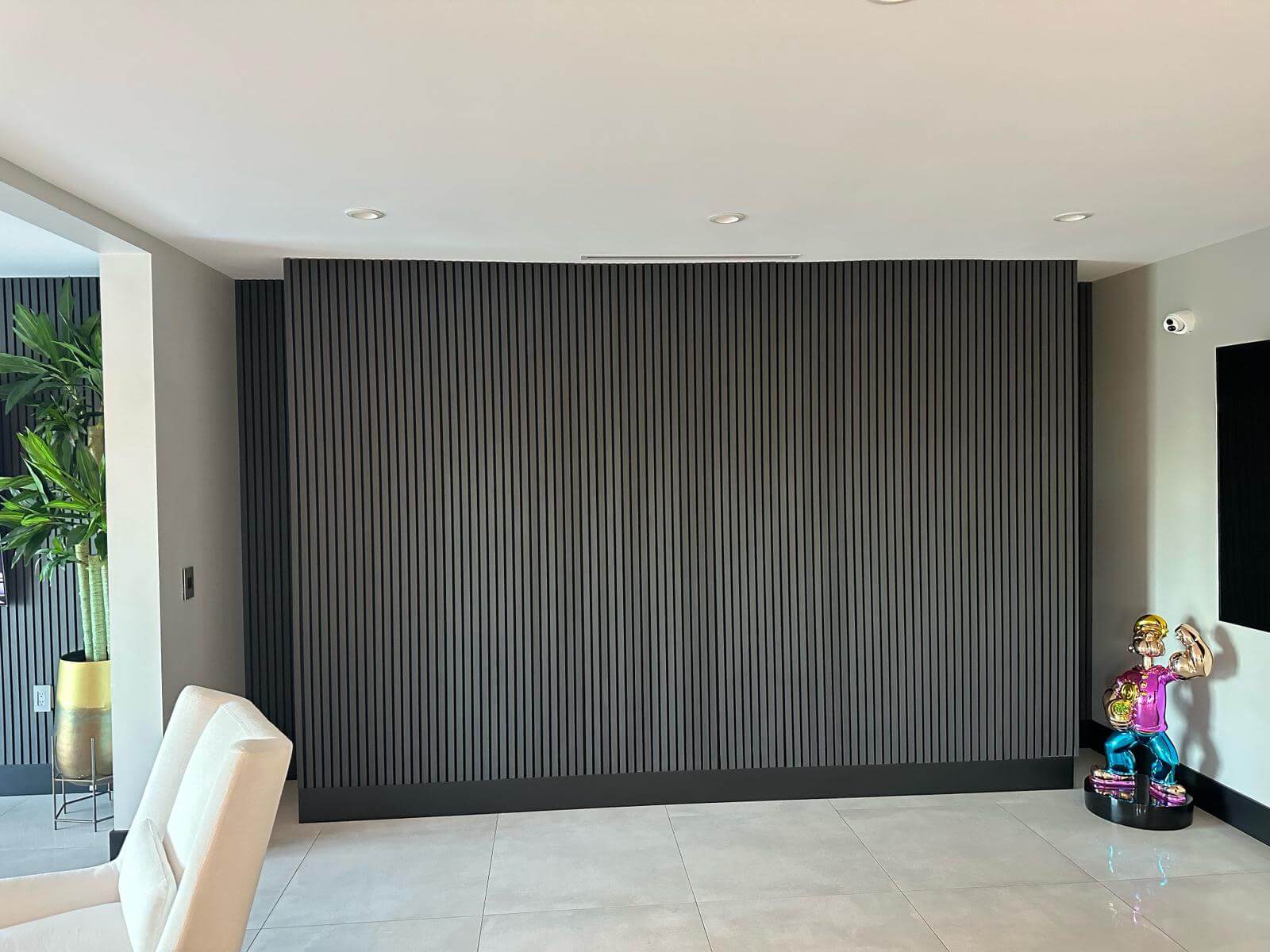
To evaluate properly, look at the wall at different times of day and identify where light collects and where it fades. Use lighter finishes in shadowed areas to keep the space open. Reserve darker finishes for walls that receive consistent light so they maintain depth without compressing the room.
Align Paneling with Furniture Placement
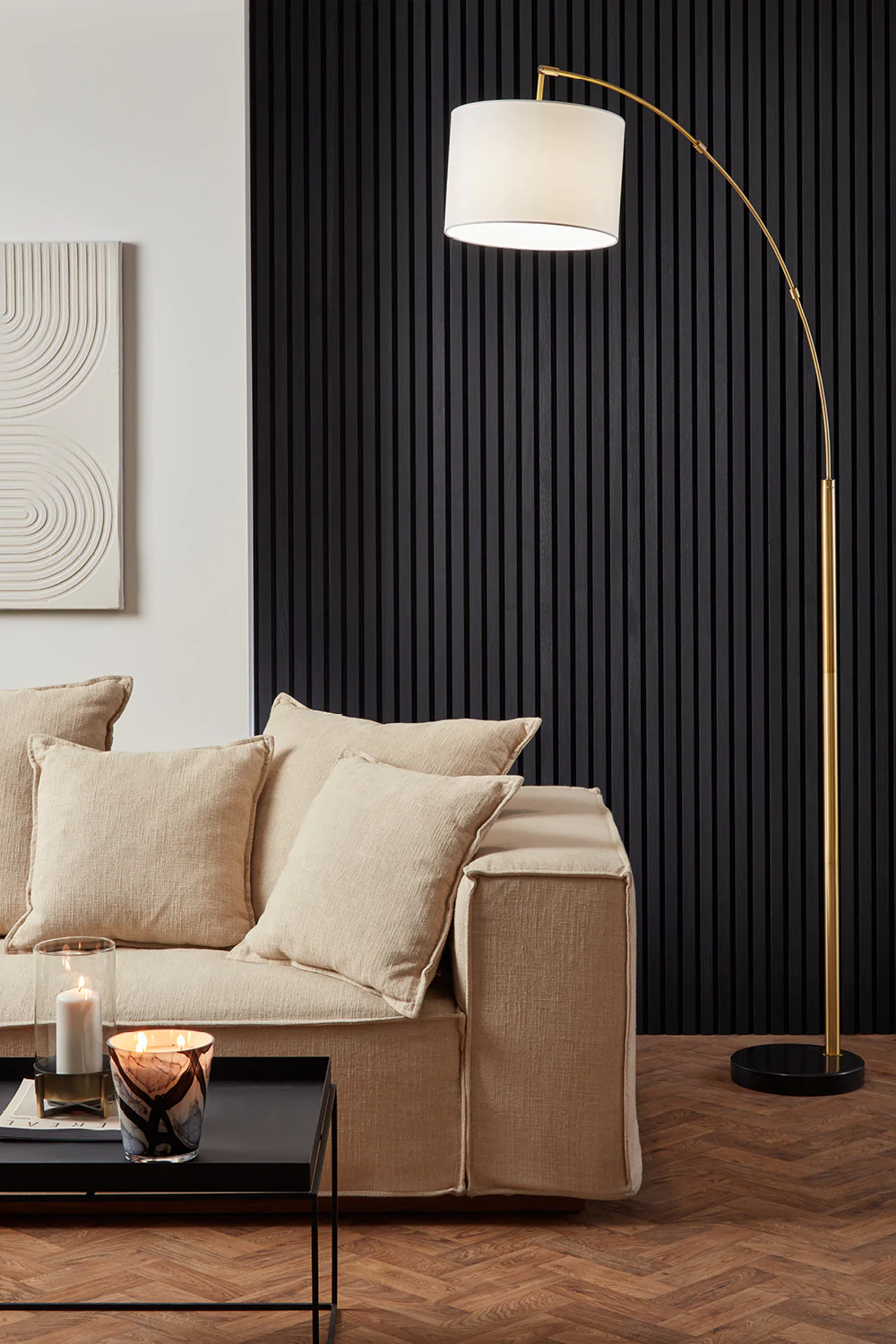
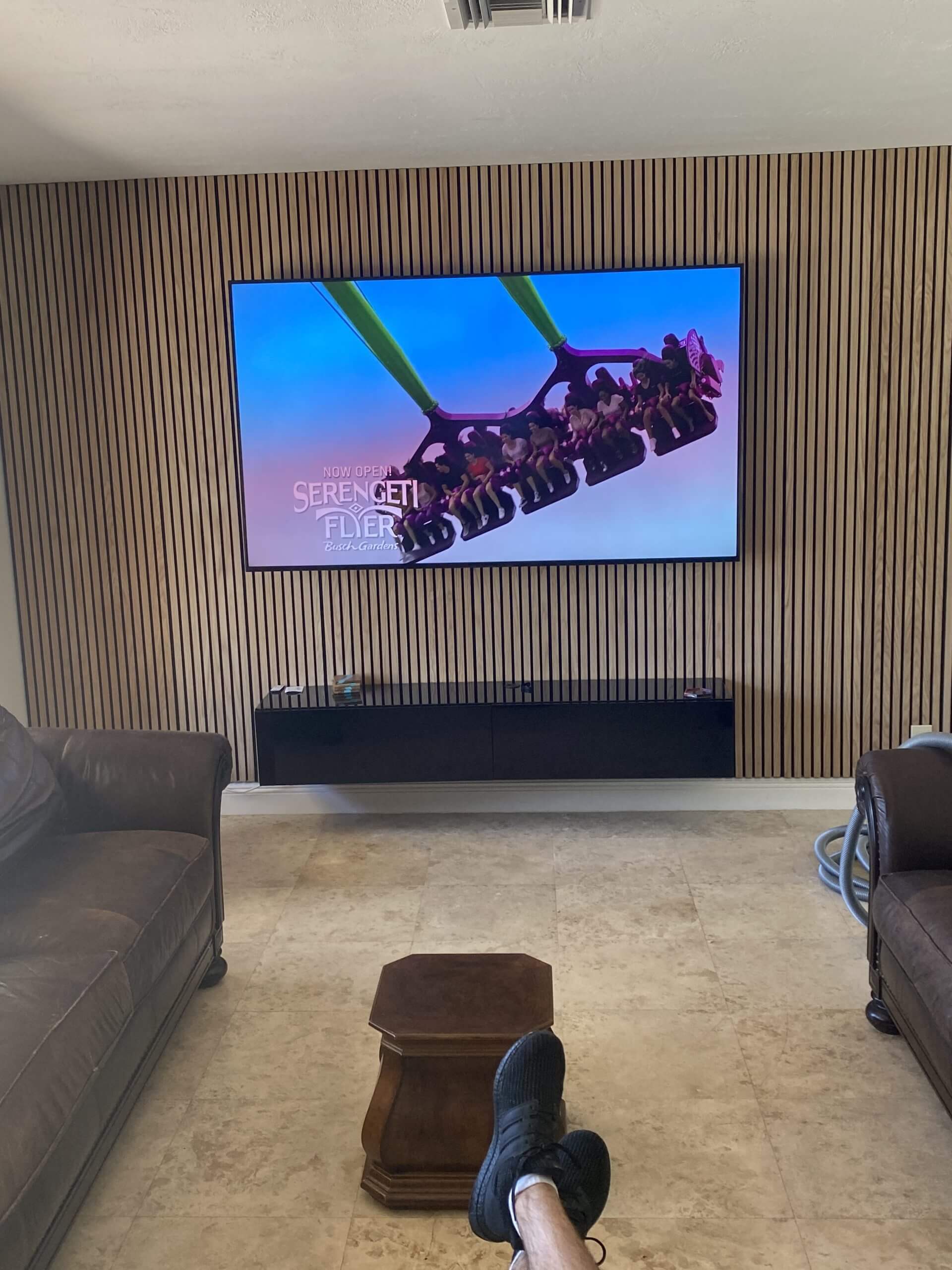
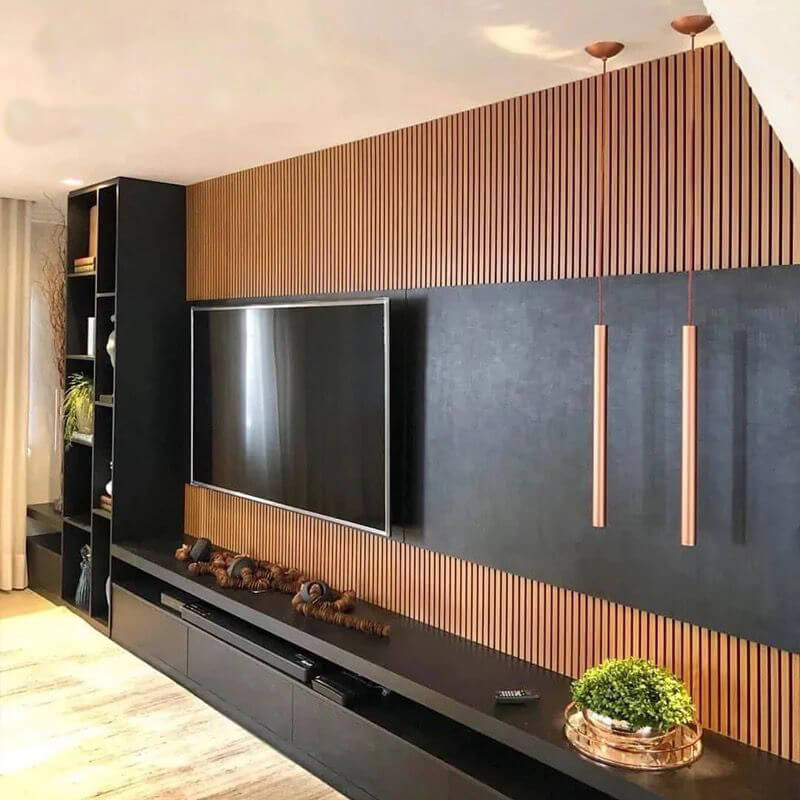
Paneling works best when it reinforces the layout and brings clarity to the room. Center the installation around the main furniture piece so the space reads as balanced and intentional.
Plan key elements in advance so everything works together:
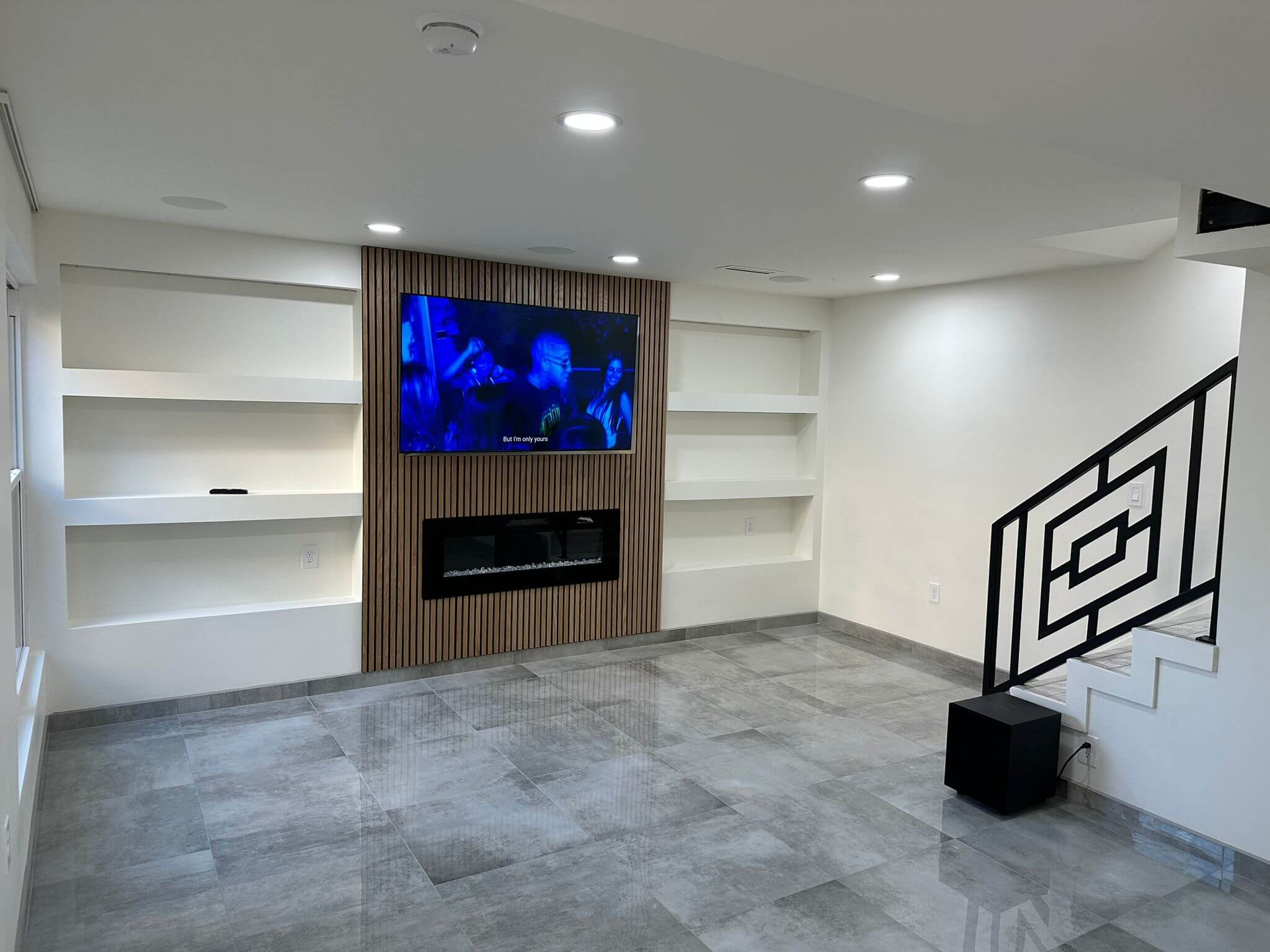
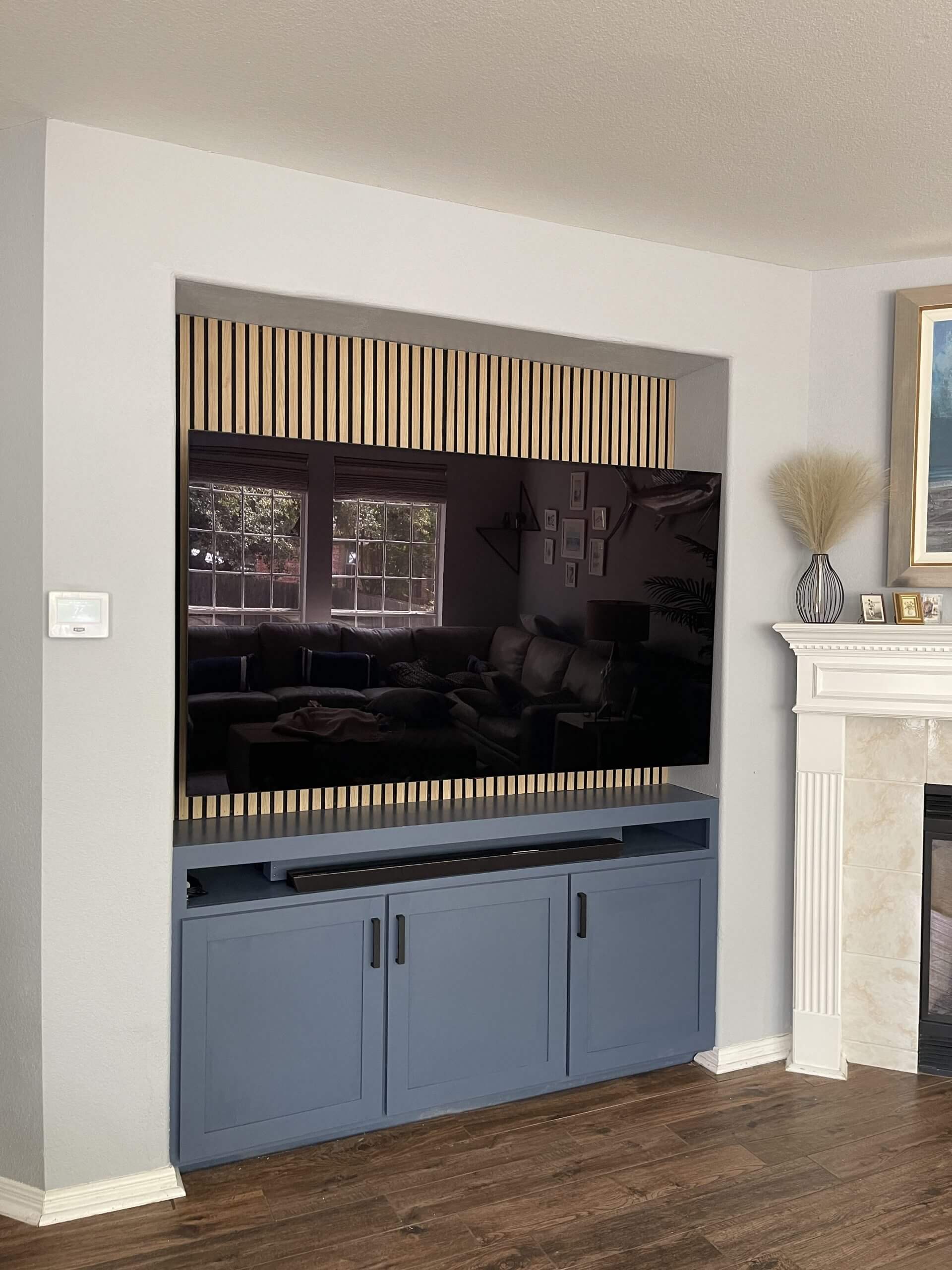
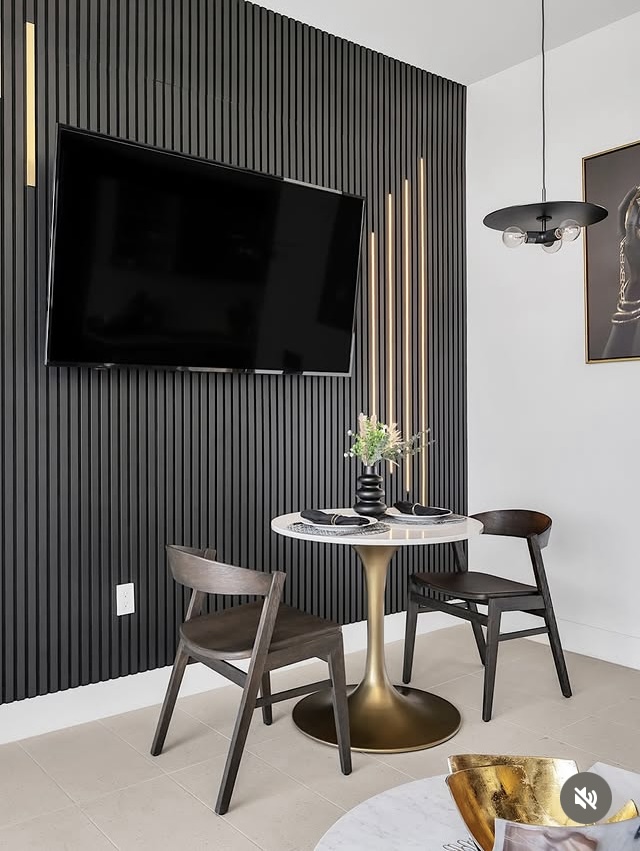
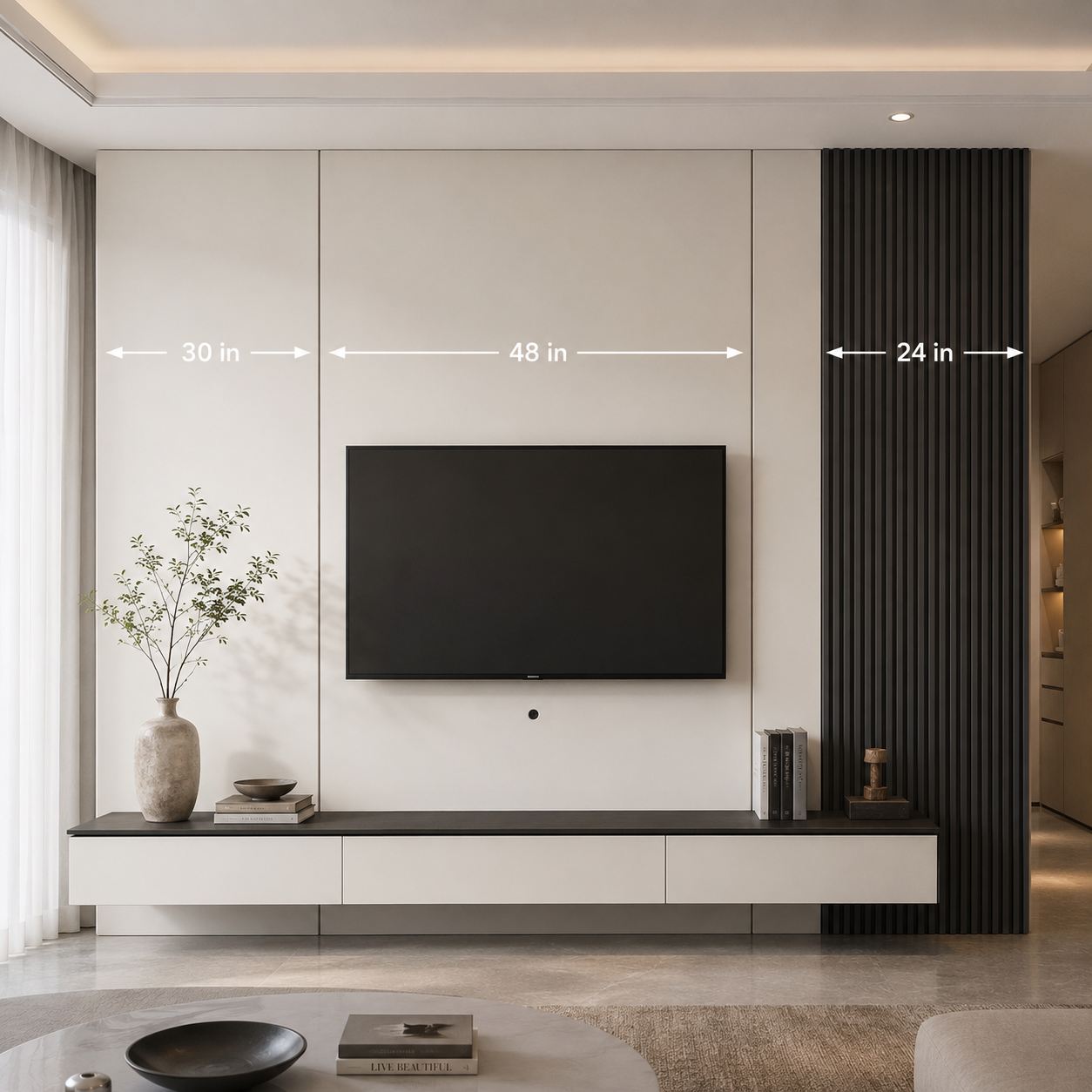
- Align a television or artwork with the panel layout
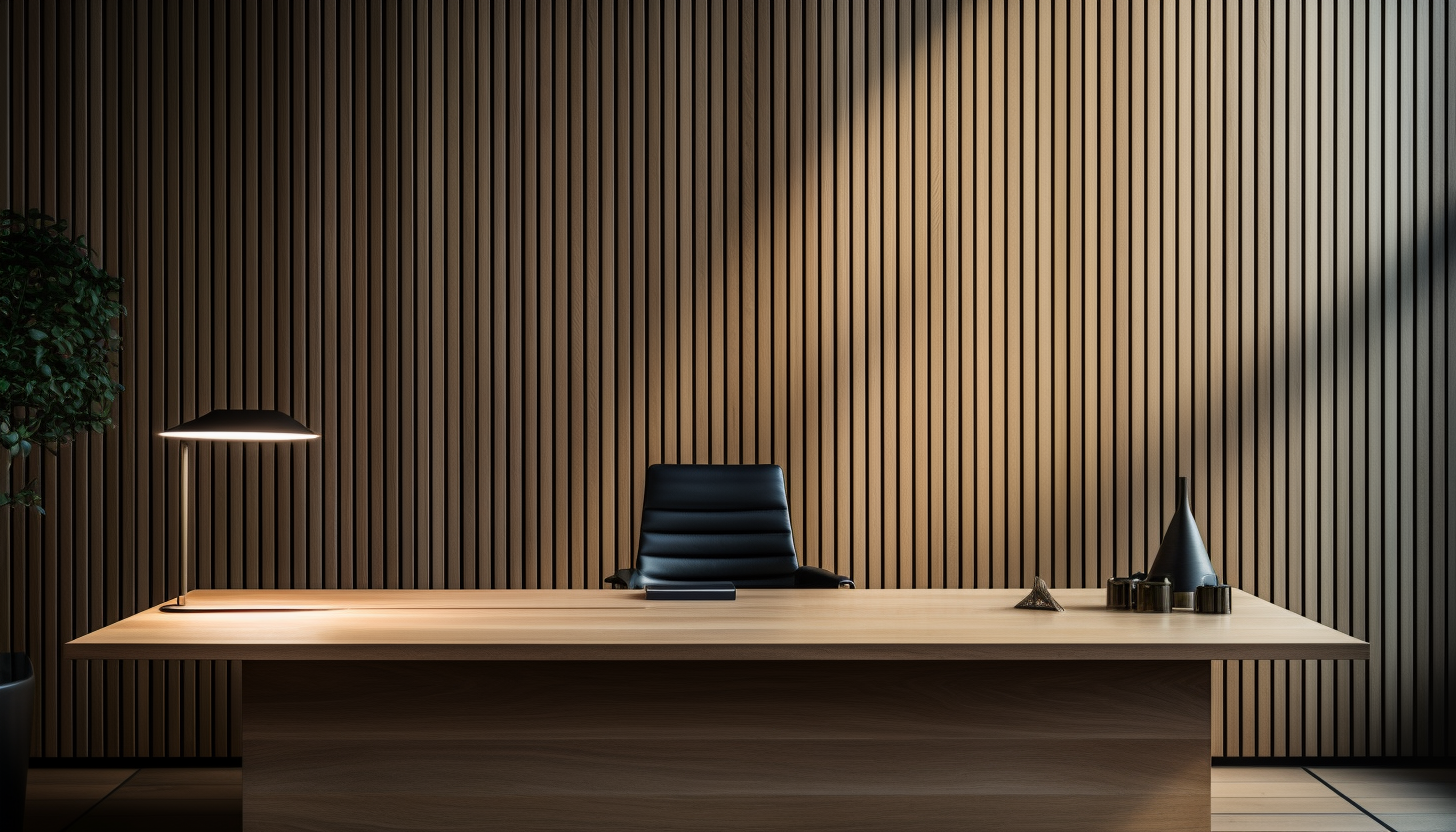
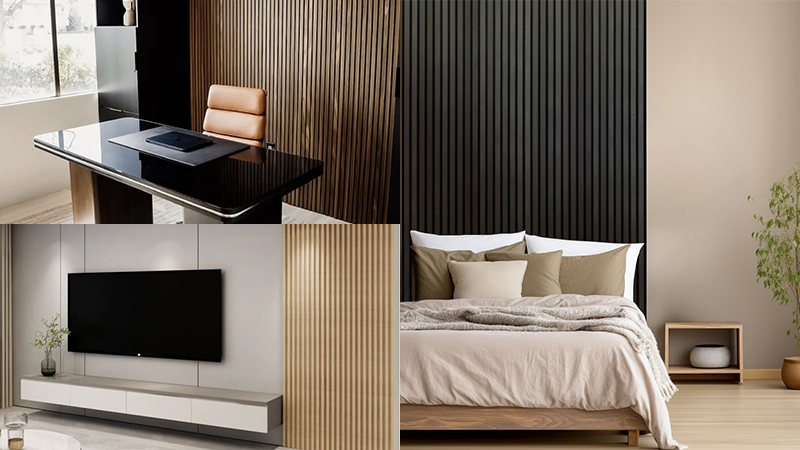
- Center the wall behind the sofa, bed, or desk
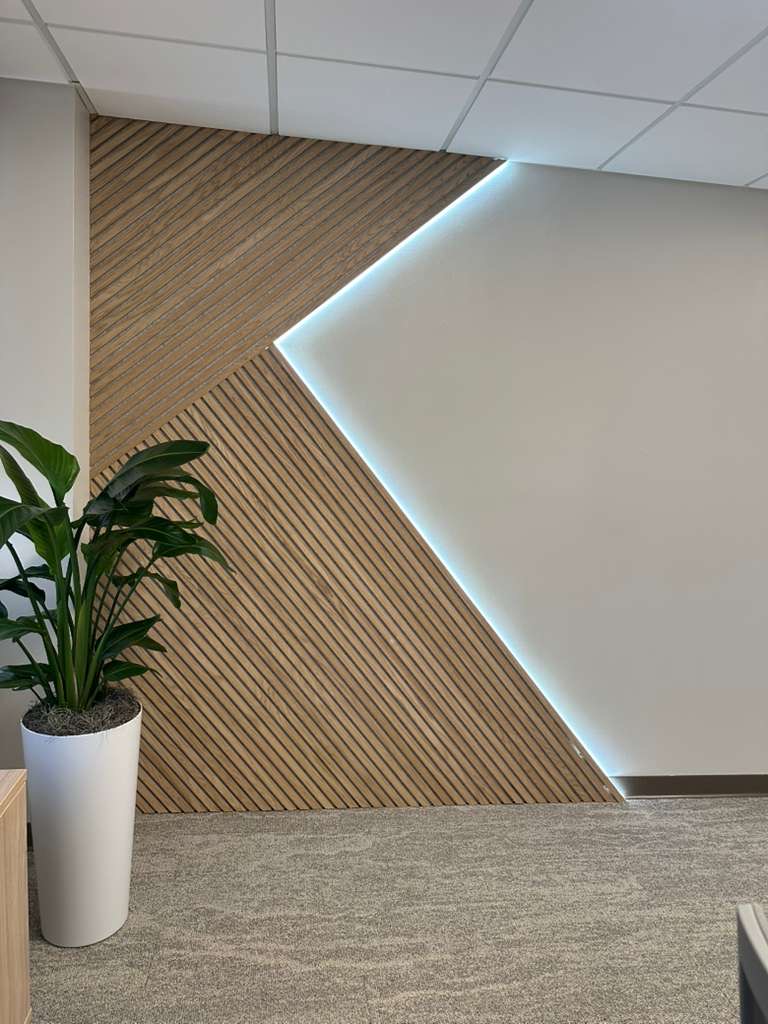
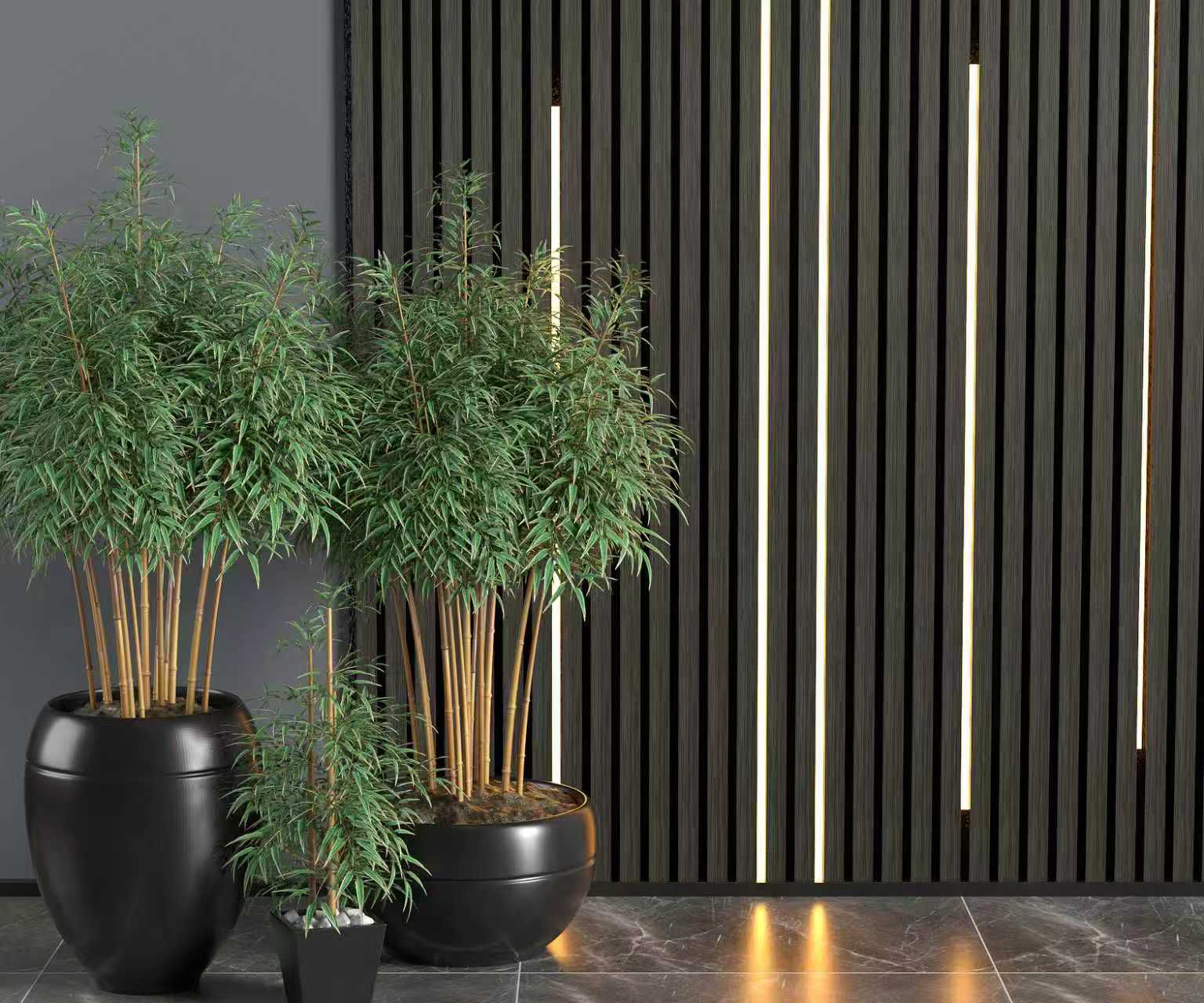
- Position lighting to wash across the surface
- Keep spacing consistent with surrounding elements
This creates a clear point of focus and helps the room come together with precision. It doesn’t lock you into one furniture arrangement, it simply gives you a strong foundation to build from.
Keep Surrounding Elements Clean
Paneling introduces movement through line and texture, so the surrounding elements should stay controlled. Too many competing materials or sharp contrasts can make a small space feel busy. Keeping the palette tight allows the paneling to define the room.
Limit adjacent walls to simple paint tones or subtle finishes. Use textiles like rugs, upholstery, and curtains to soften the space without interrupting the visual flow. A compact room feels larger when each element has a clear role.
Thoughtful Materials, Designed to Work in Your Space
At Wood Panel Wall Miami, our collection is built to support how a space looks and how it functions day to day. Whether you’re shaping a room for openness, structure, or a more grounded feel, we help you select materials that align with your layout, lighting, and design direction. Call, email, or visit our showroom to connect with a design specialist and move your project forward with confidence.