Evaluate These 5 Factors Before Choosing Your Wood Panel Finish
A wood panel wall sets the tone of a room before anything else goes in. The finish you choose shapes how the space feels, how light moves through it, and how everything around it comes together. The goal is to choose a finish that supports how the space is used and how you want it to feel when you’re in it.
Here’s how to approach your project with clarity.
Start with the Light in the Room
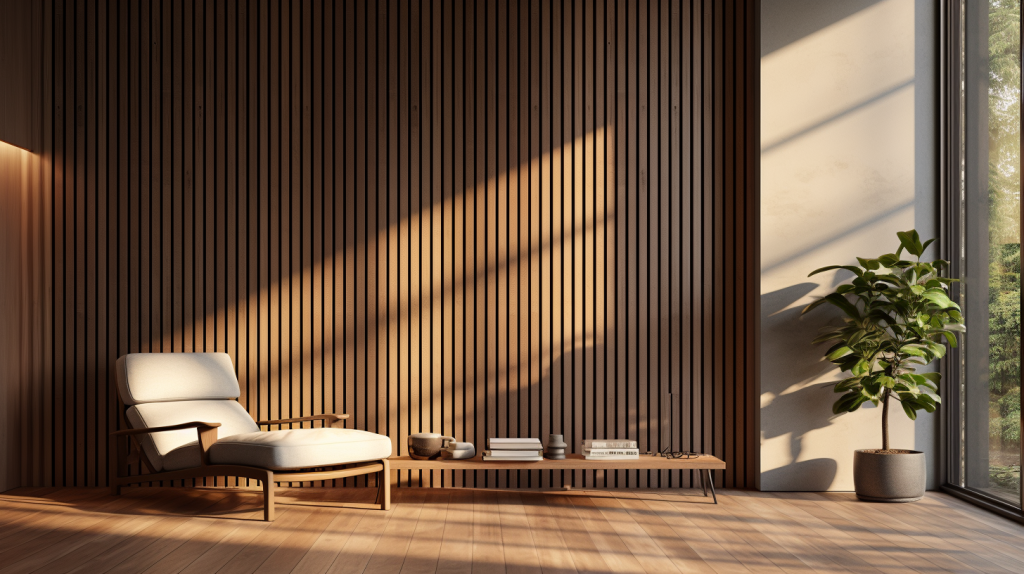
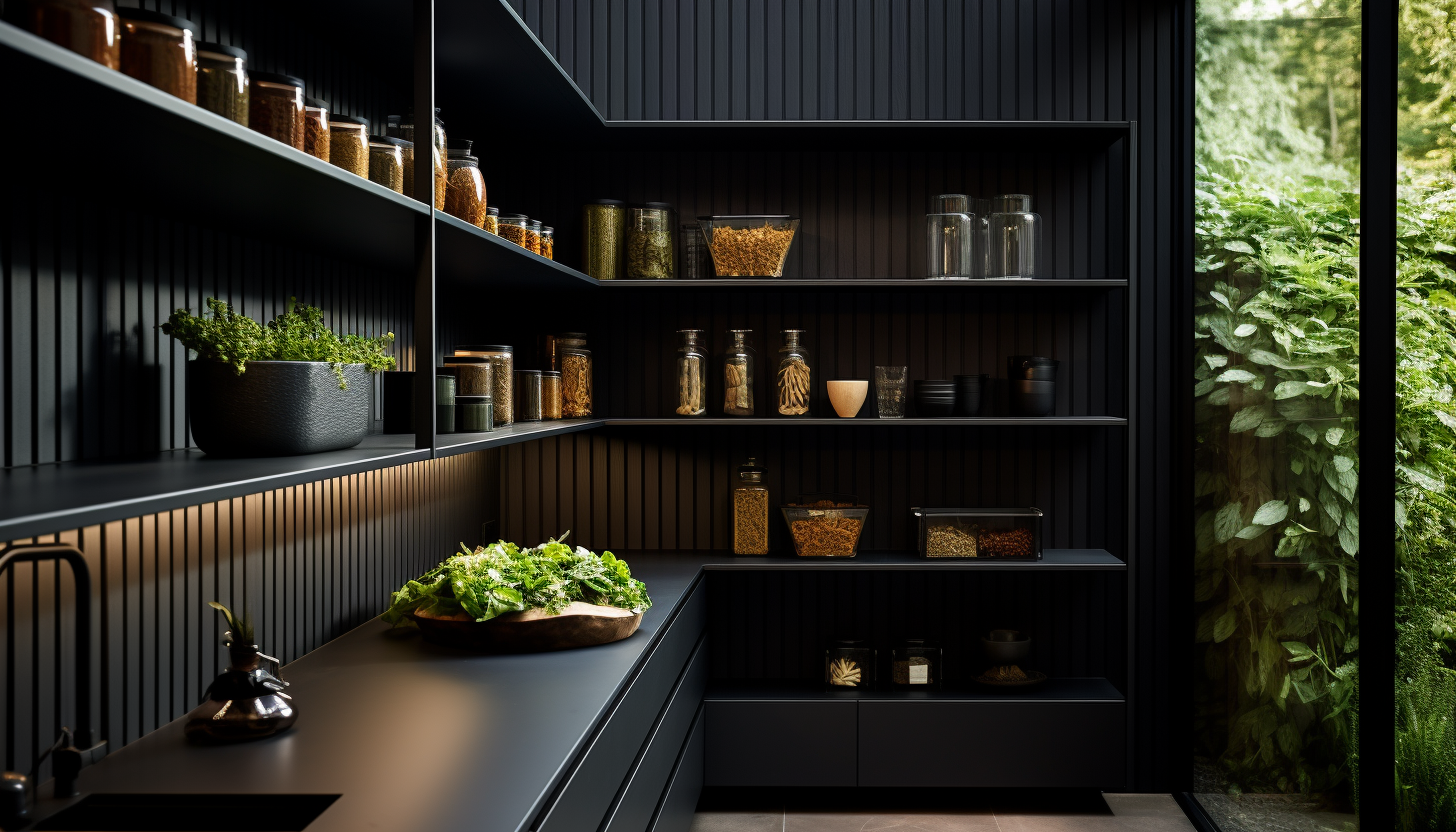
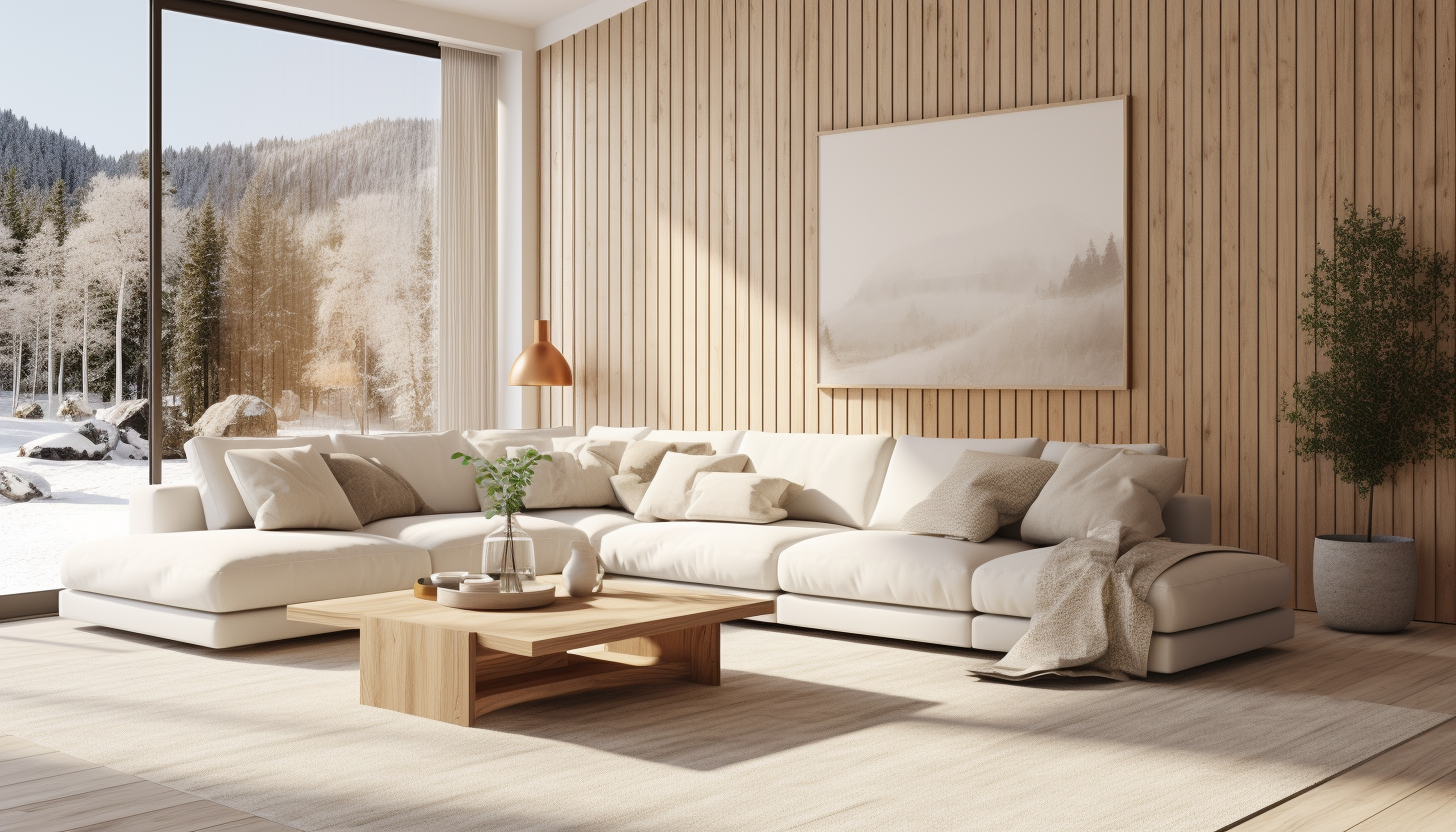
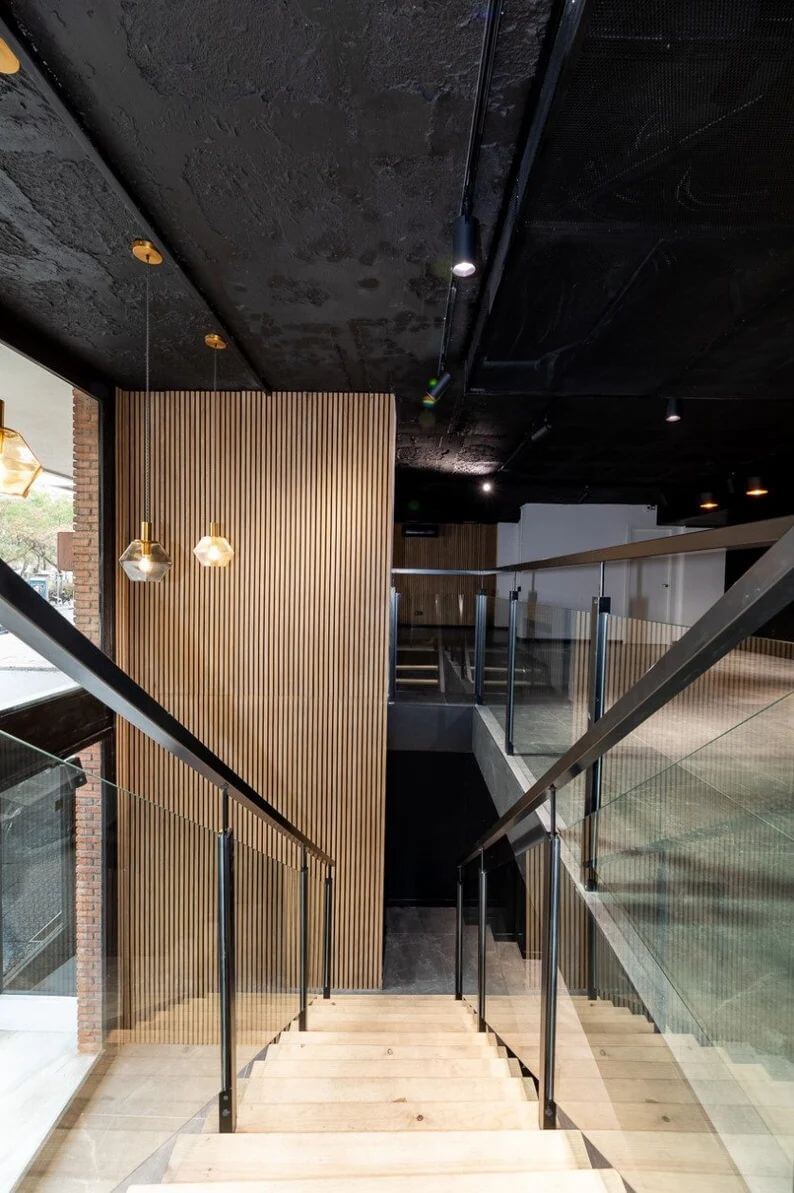
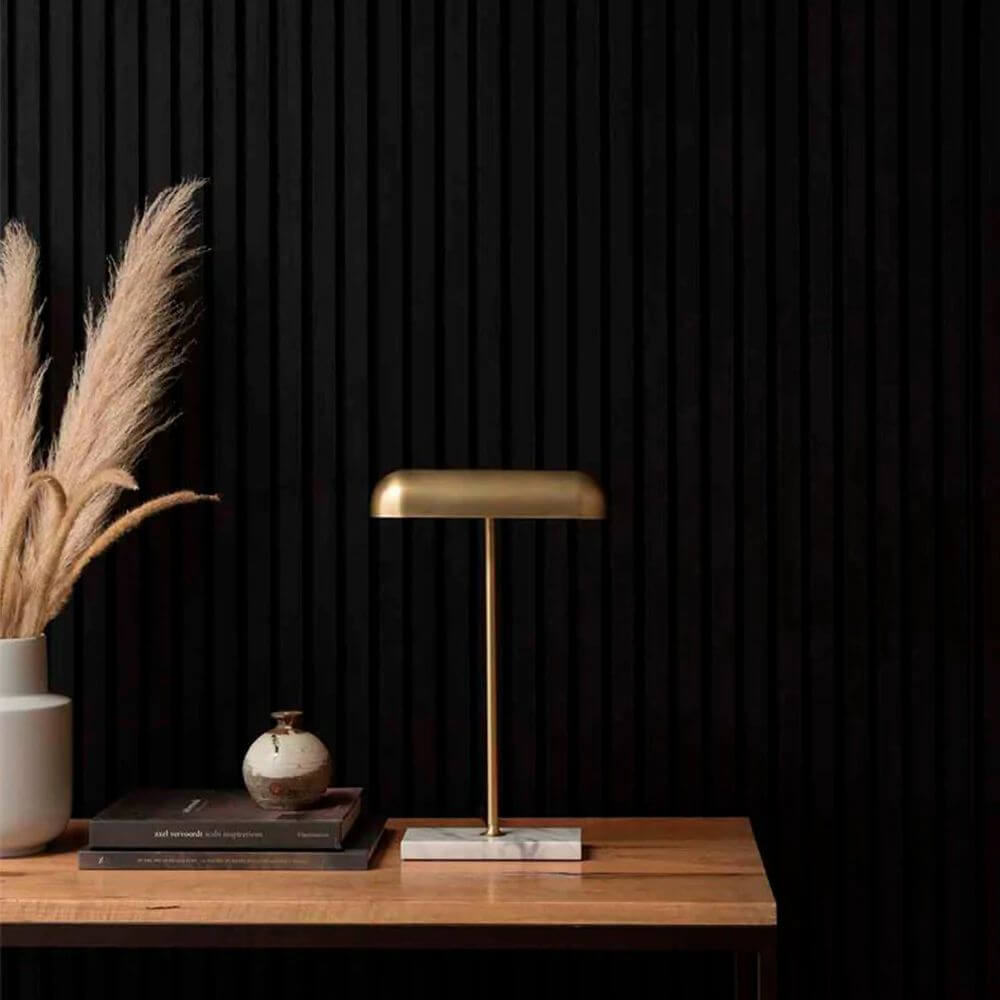
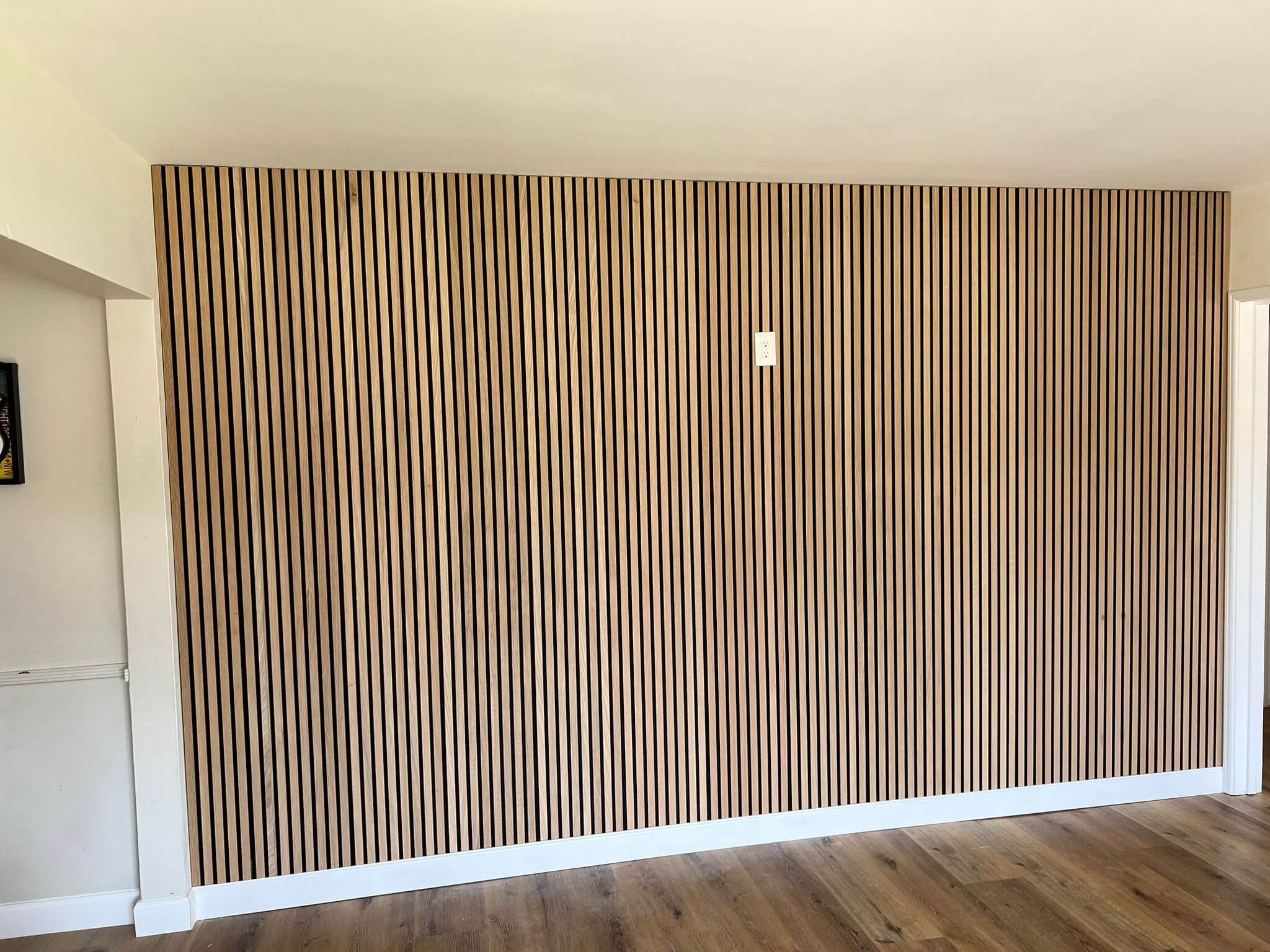
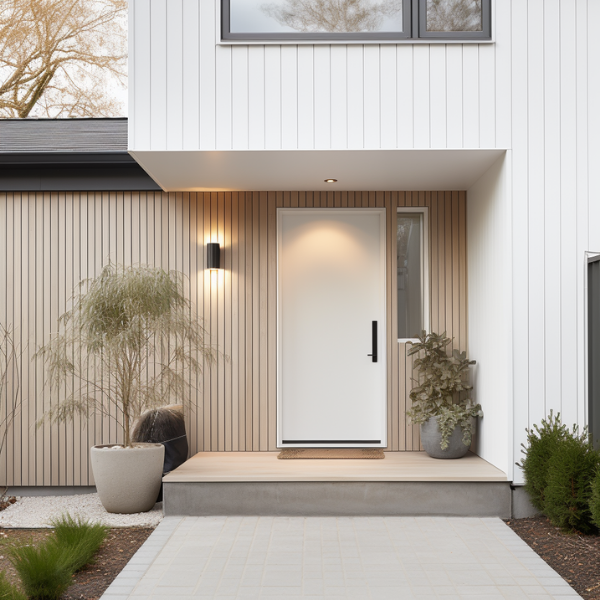
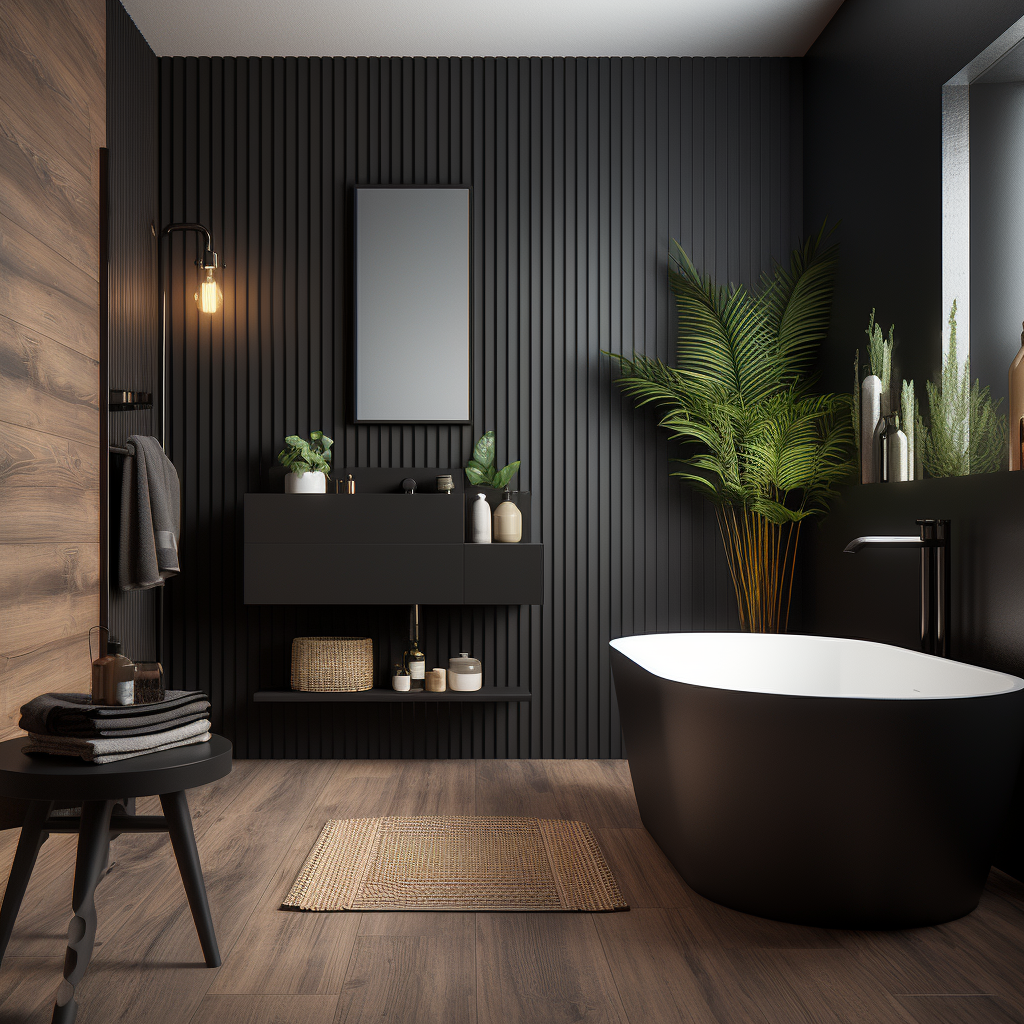
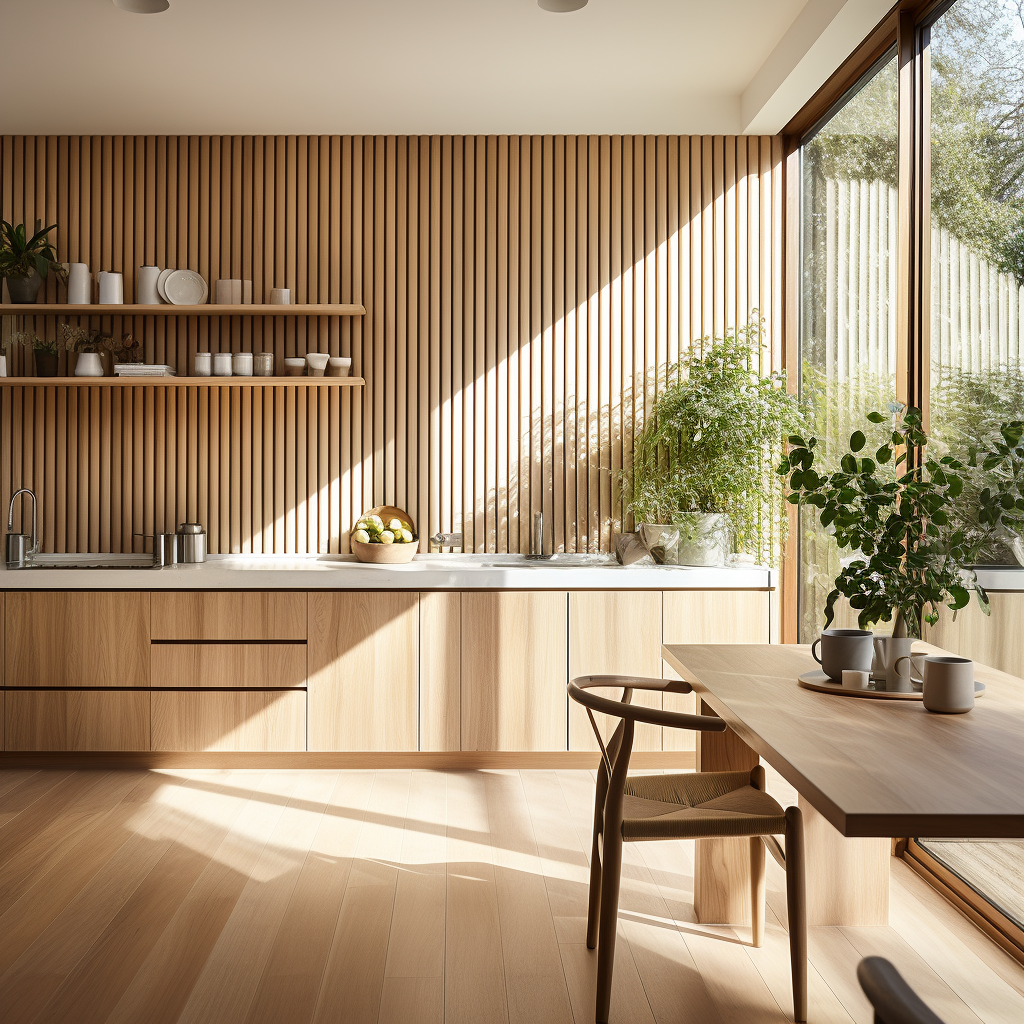
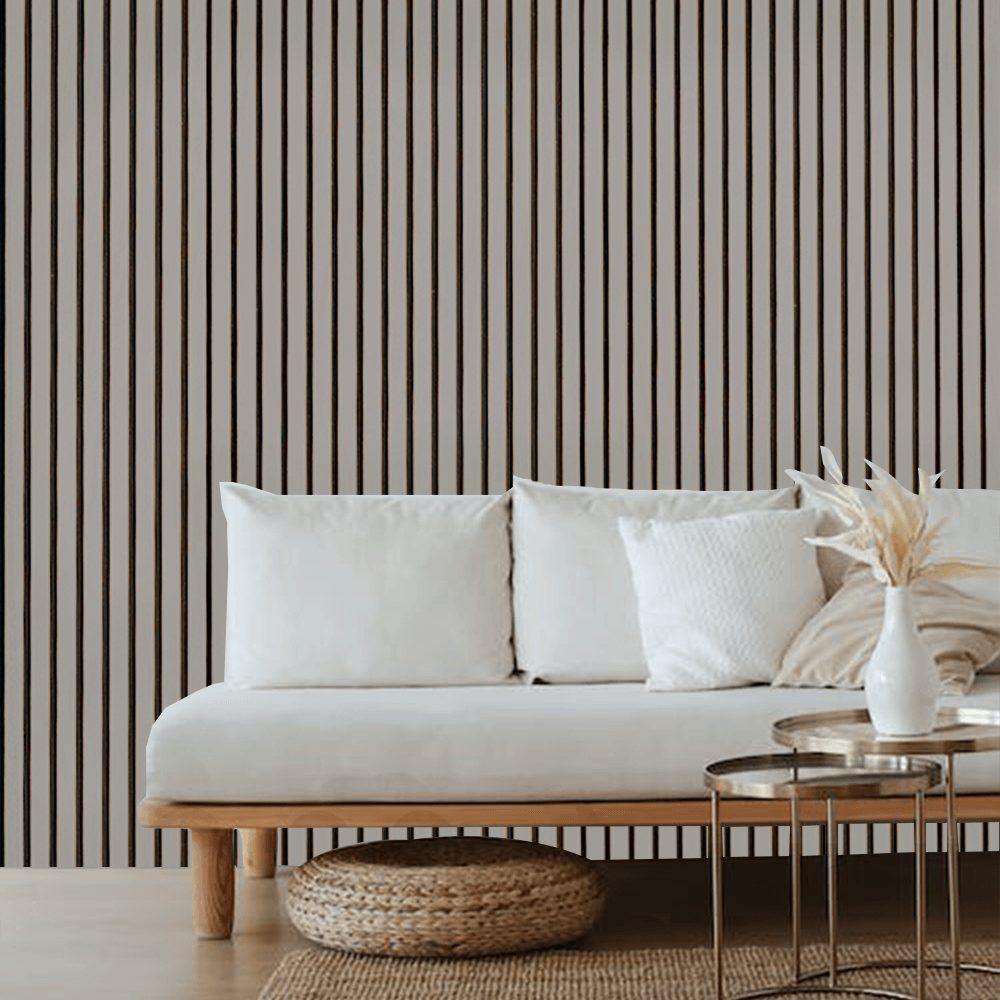
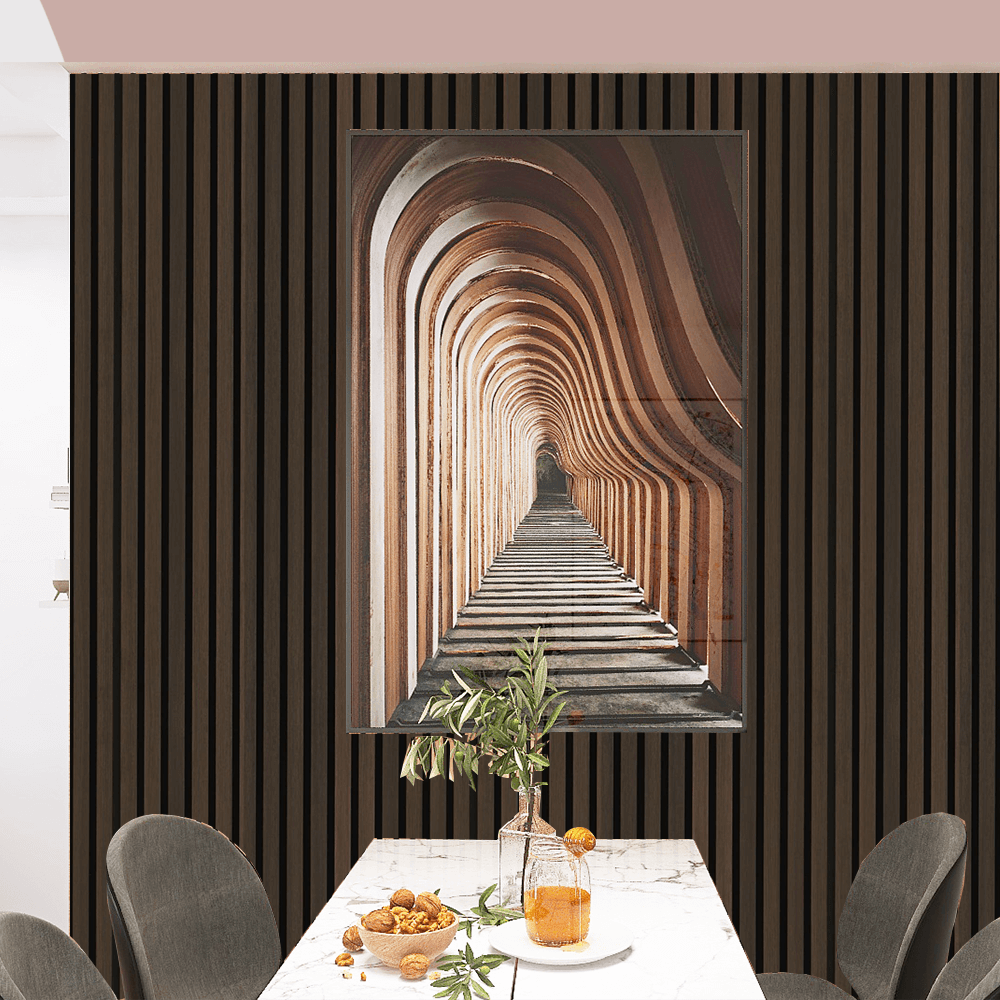
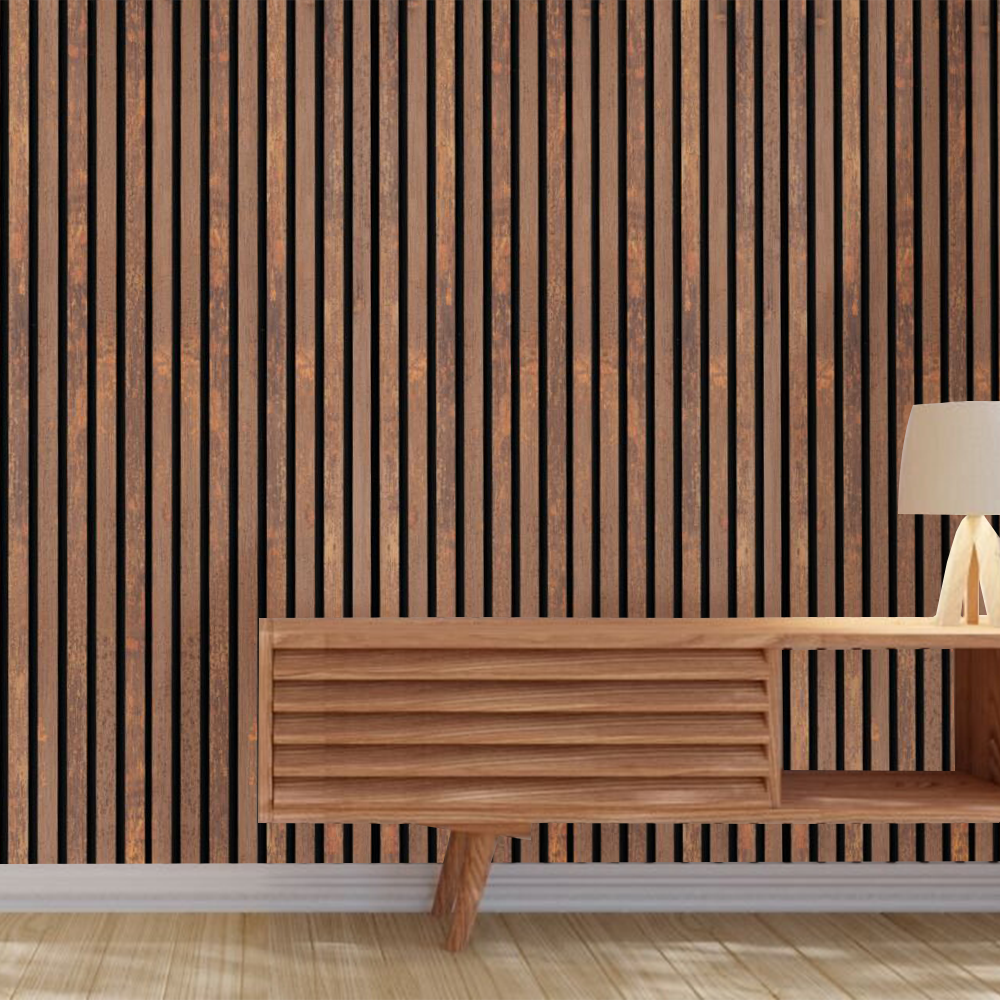
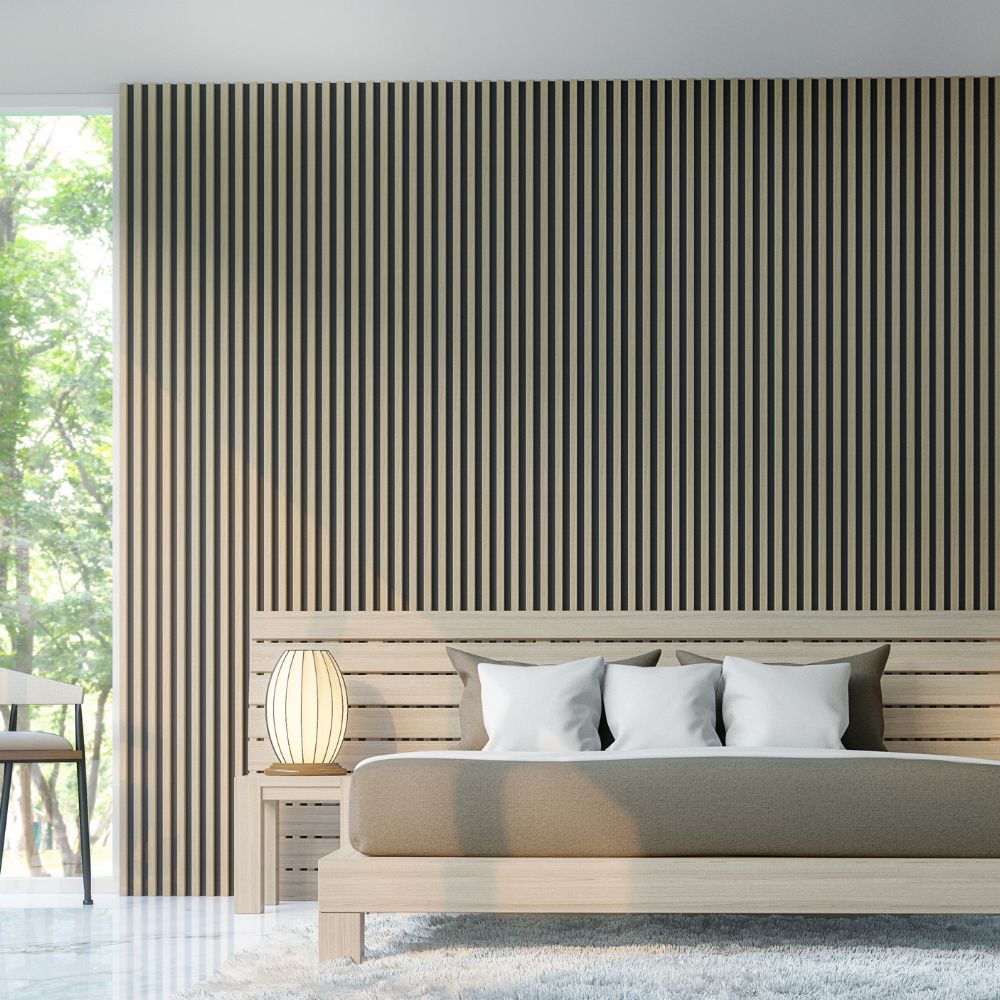
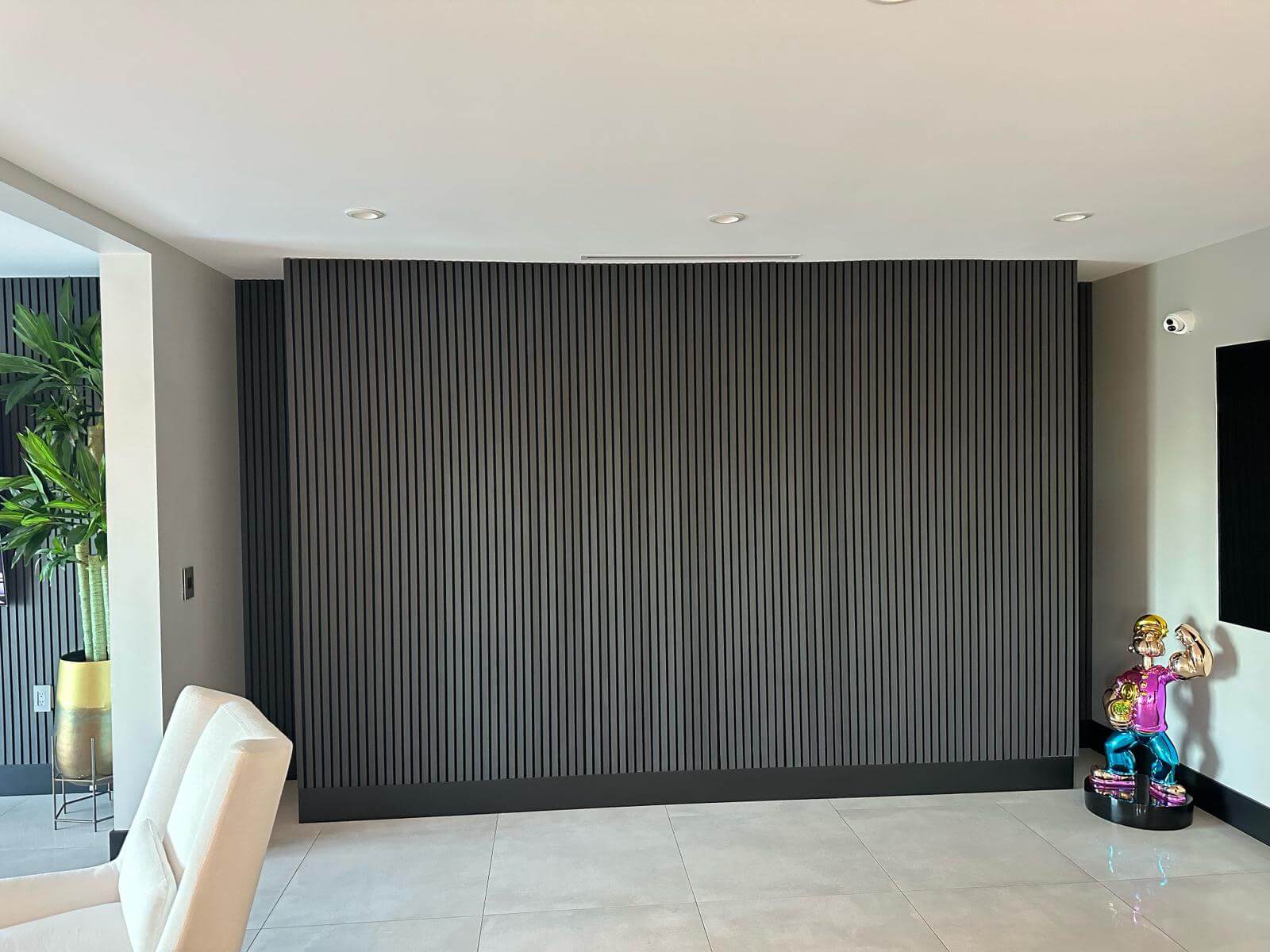
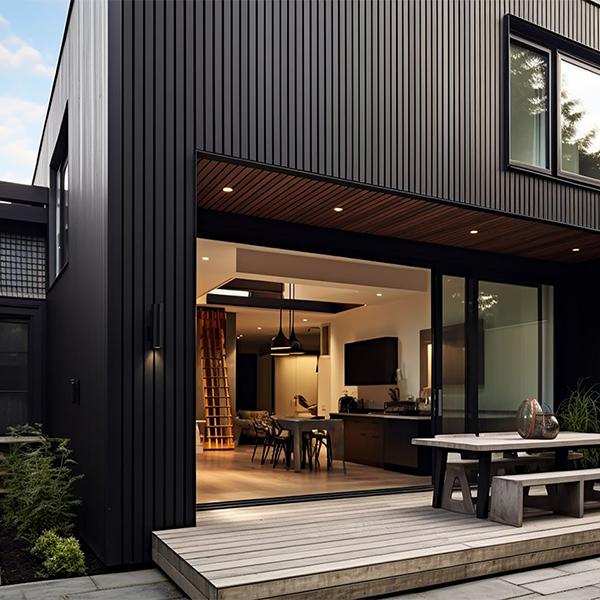
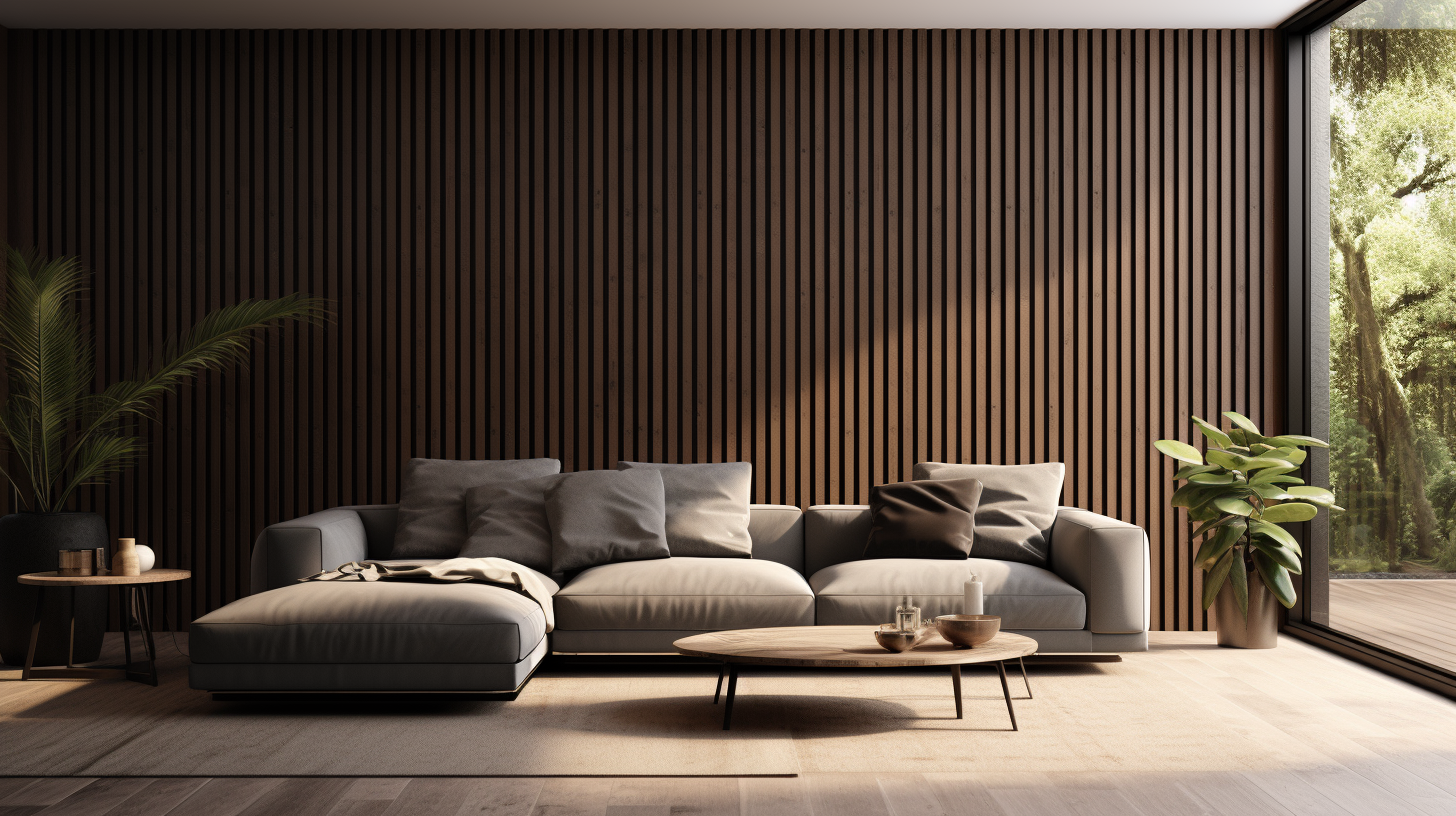
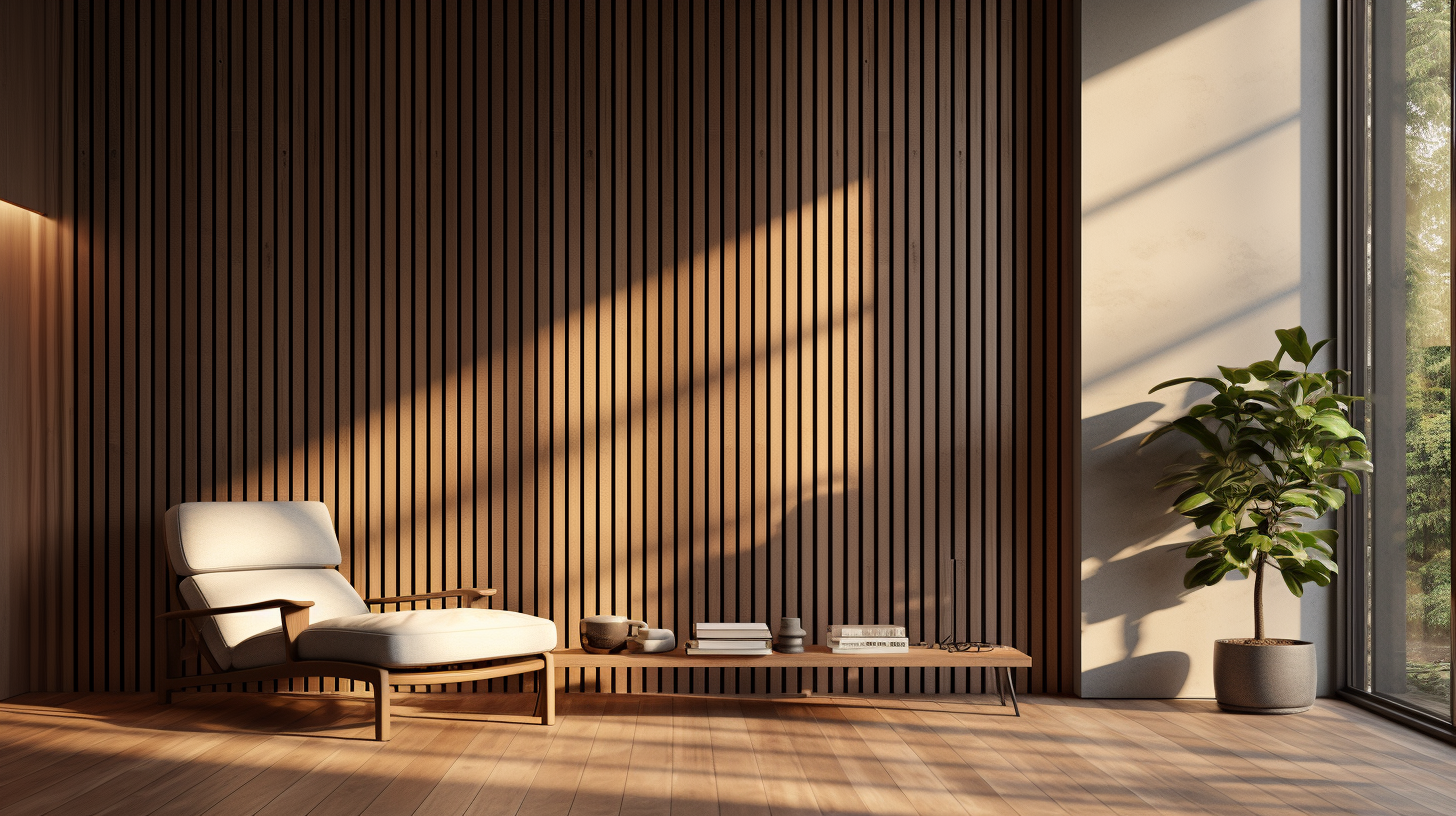
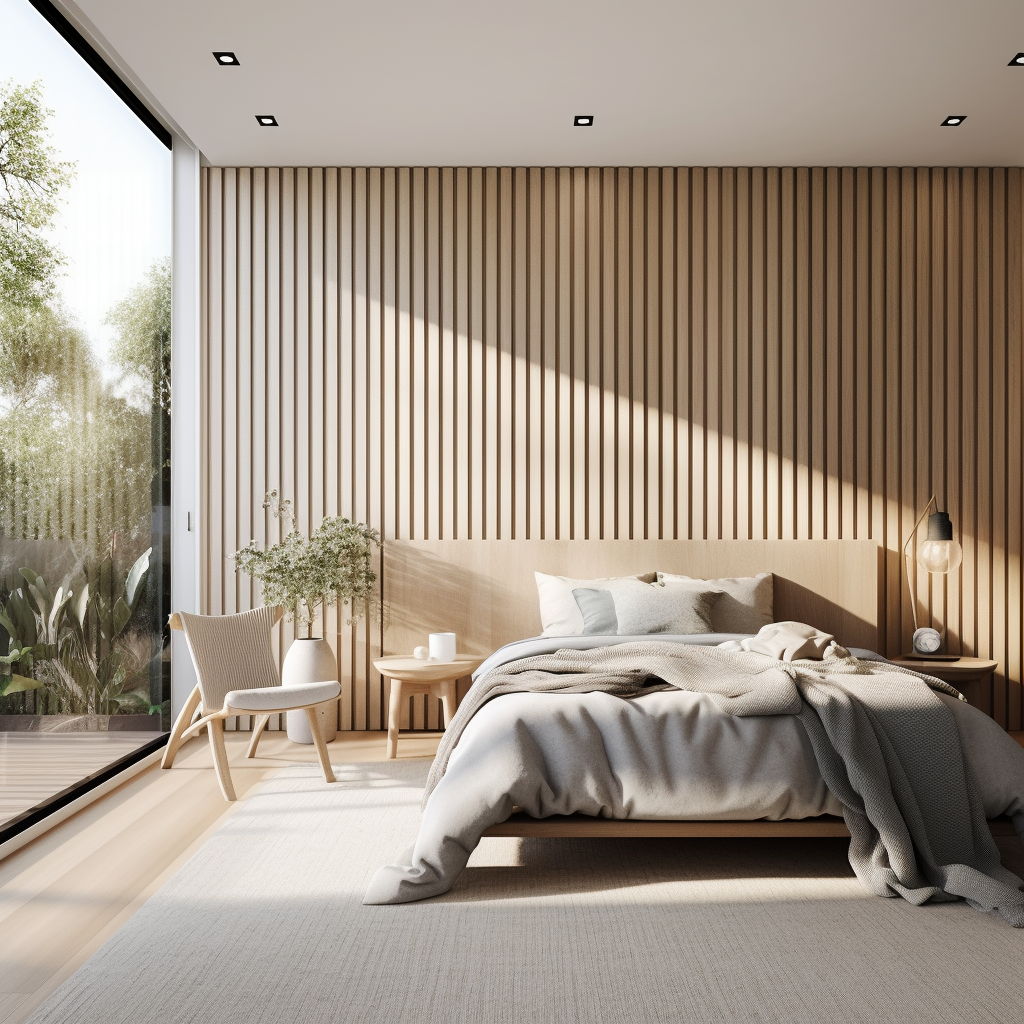
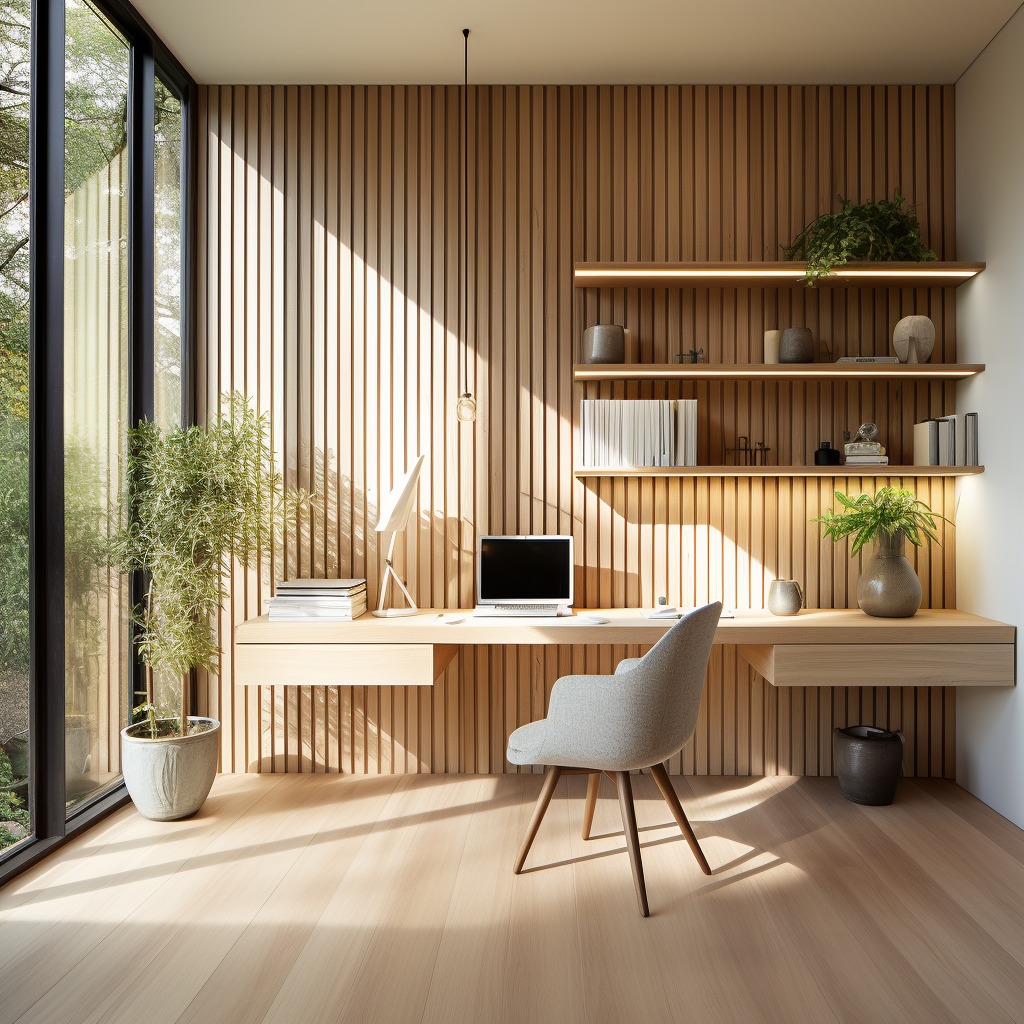
Light is the first filter your paneling will pass through. Rooms with strong natural light can handle deeper finishes without feeling heavy. Walnut and black wood panels will still show dimension, especially when the light shifts throughout the day. Rooms with limited natural light benefit from reflection. Lighter finishes like natural oak or white oak slat wood panels will help distribute light across the surface and keep the space feeling open.
Before deciding, spend a day observing the room at three points: morning, midday, and evening. Stand in the space and look at the main wall you’re considering. Take a photo each time from the same position so you can compare them side by side.
Pay attention to where the light lands directly and where it drops off. Identify the brightest area of the wall and the darkest corner. Notice whether the light is soft and diffused or sharp and directional.
Then step back and ask one question: Does this room need more reflection or more depth?
If large portions of the wall fall into shadow, a lighter finish will help distribute light and keep the space open. If the wall stays evenly lit or receives strong natural light, a darker finish will hold its tone and add structure without feeling heavy.
Match the Finish to the Function of the Space
Each room asks for something slightly different.
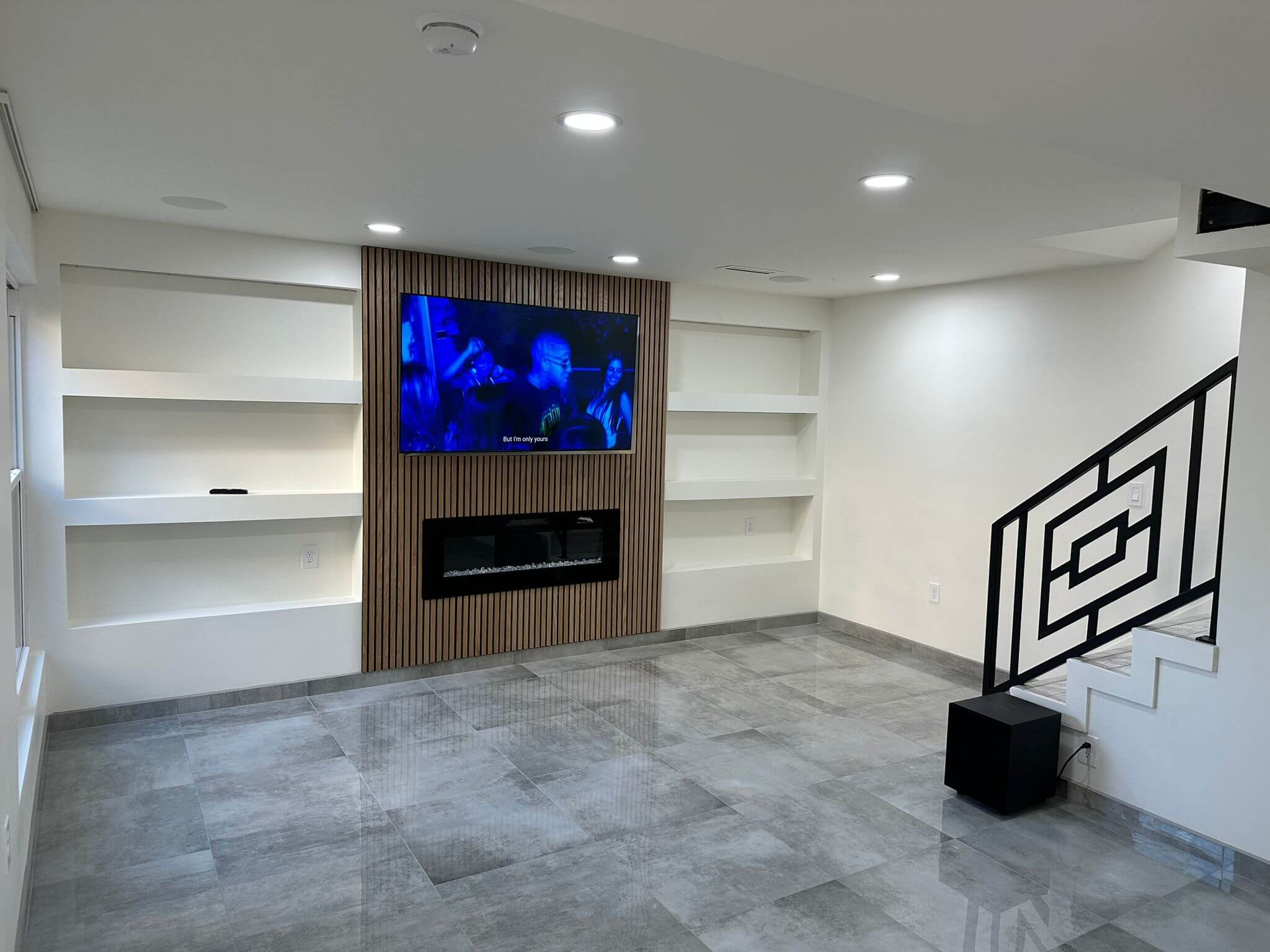
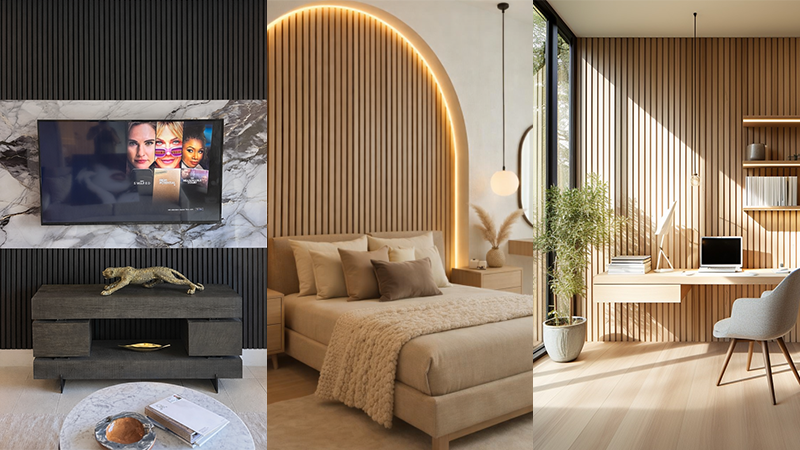
- Living Areas: If the space is active and used throughout the day, lighter or mid-tone finishes tend to hold up better visually. They keep the room feeling open and adaptable as lighting changes.
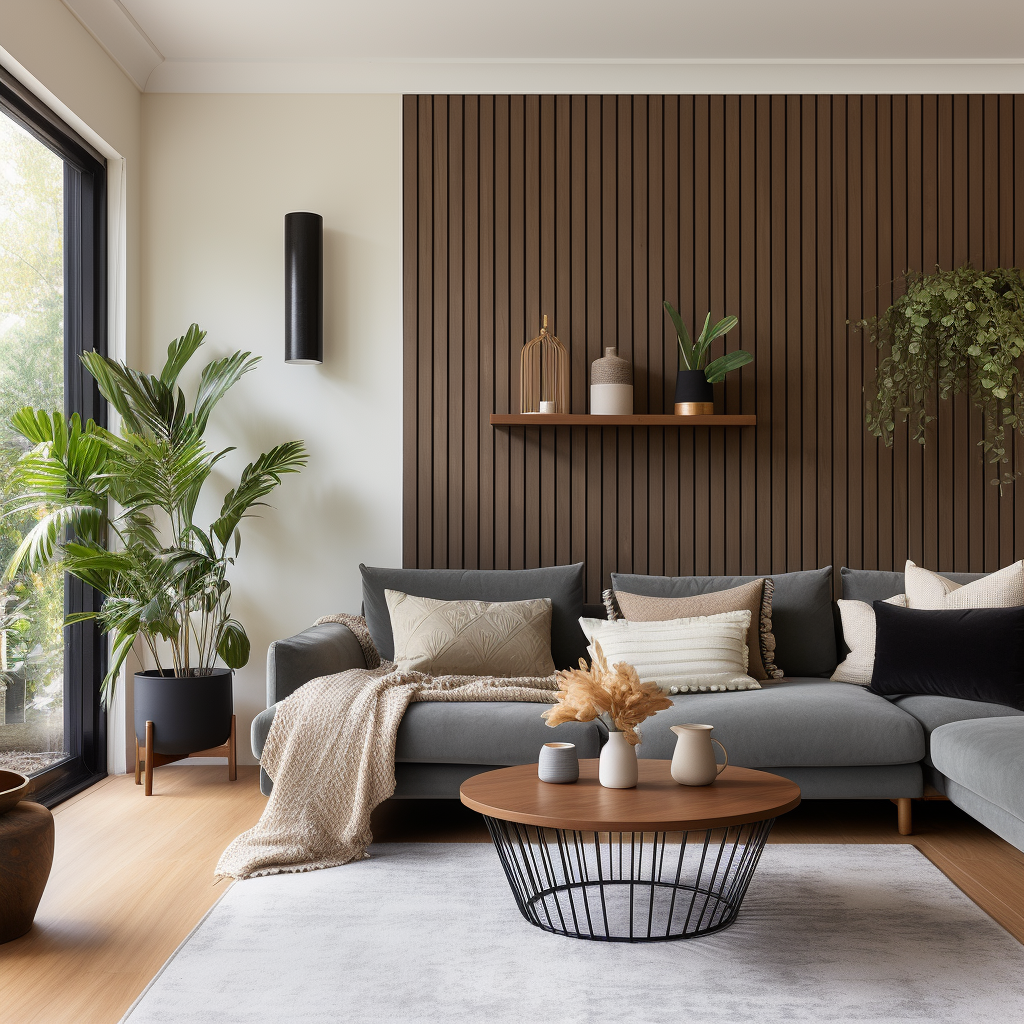
- Bedrooms: This is where depth works in your favor. Walnut or warmer tones create a more grounded, quiet backdrop that supports rest without feeling flat.
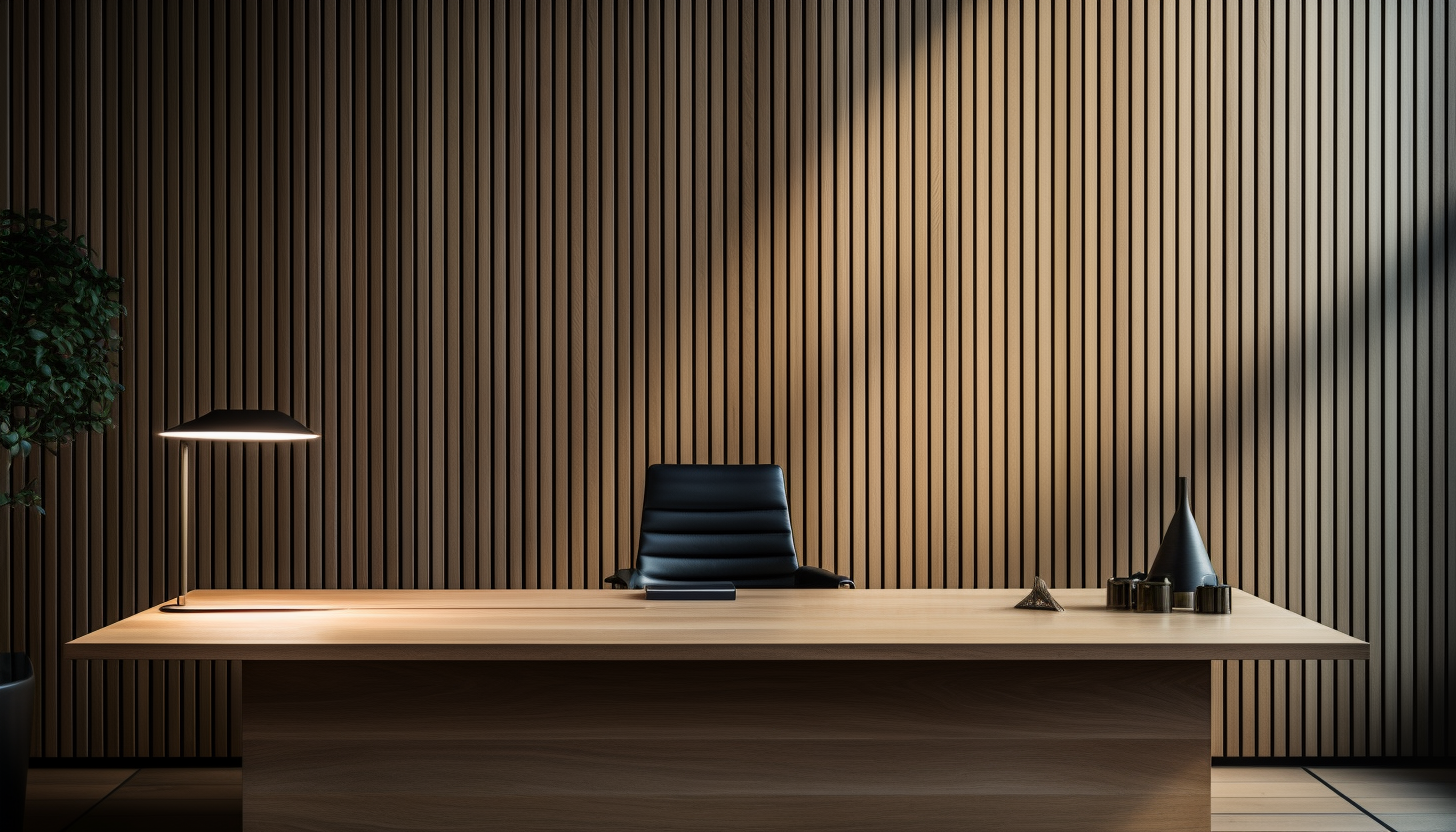
- Offices or Studies: Darker finishes add structure and focus. They reduce visual noise and create a sense of containment, especially behind a desk or shelving wall.
If the room needs energy, lean lighter. If it needs calm or structure, go deeper.
Use Contrast to Define the Space
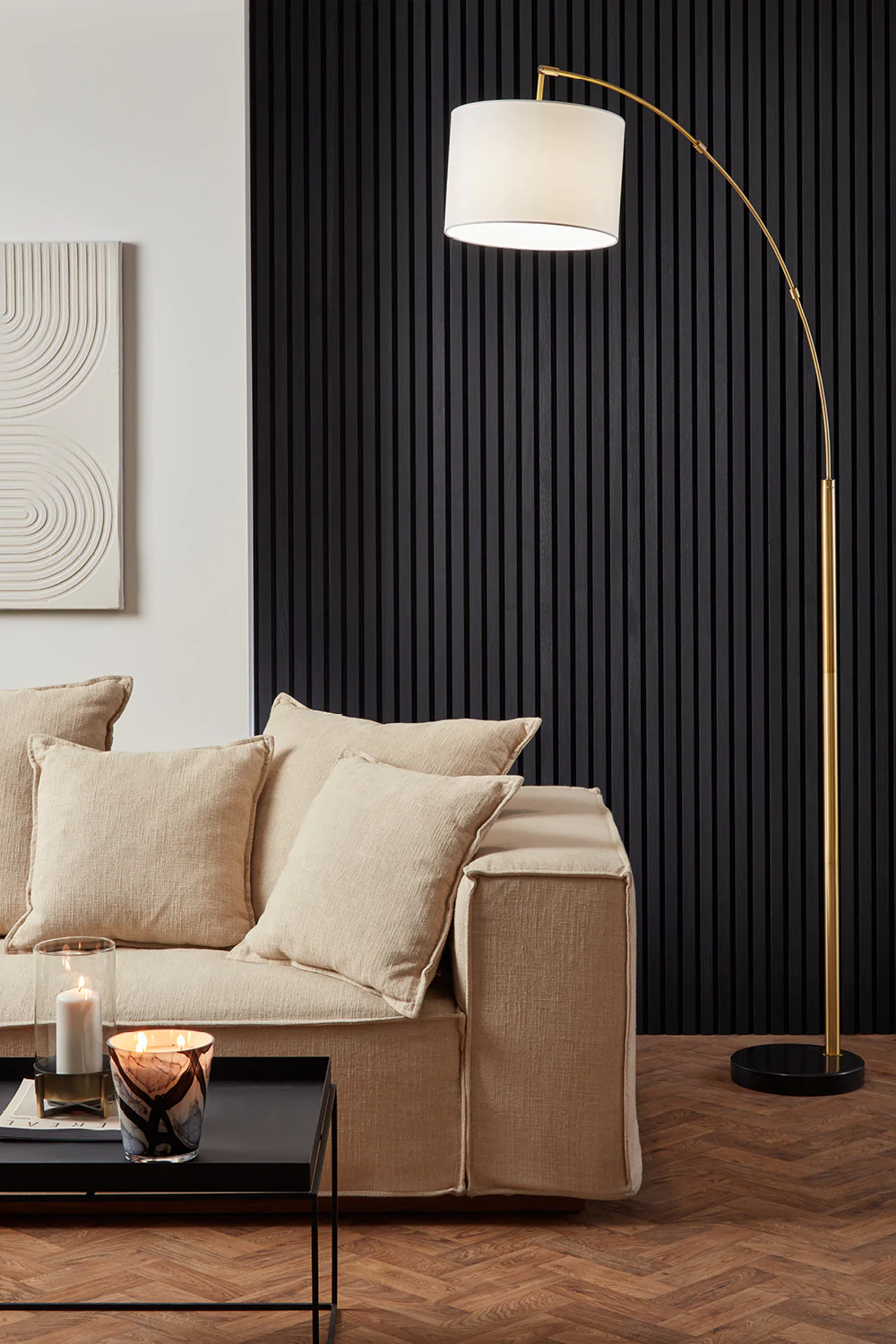
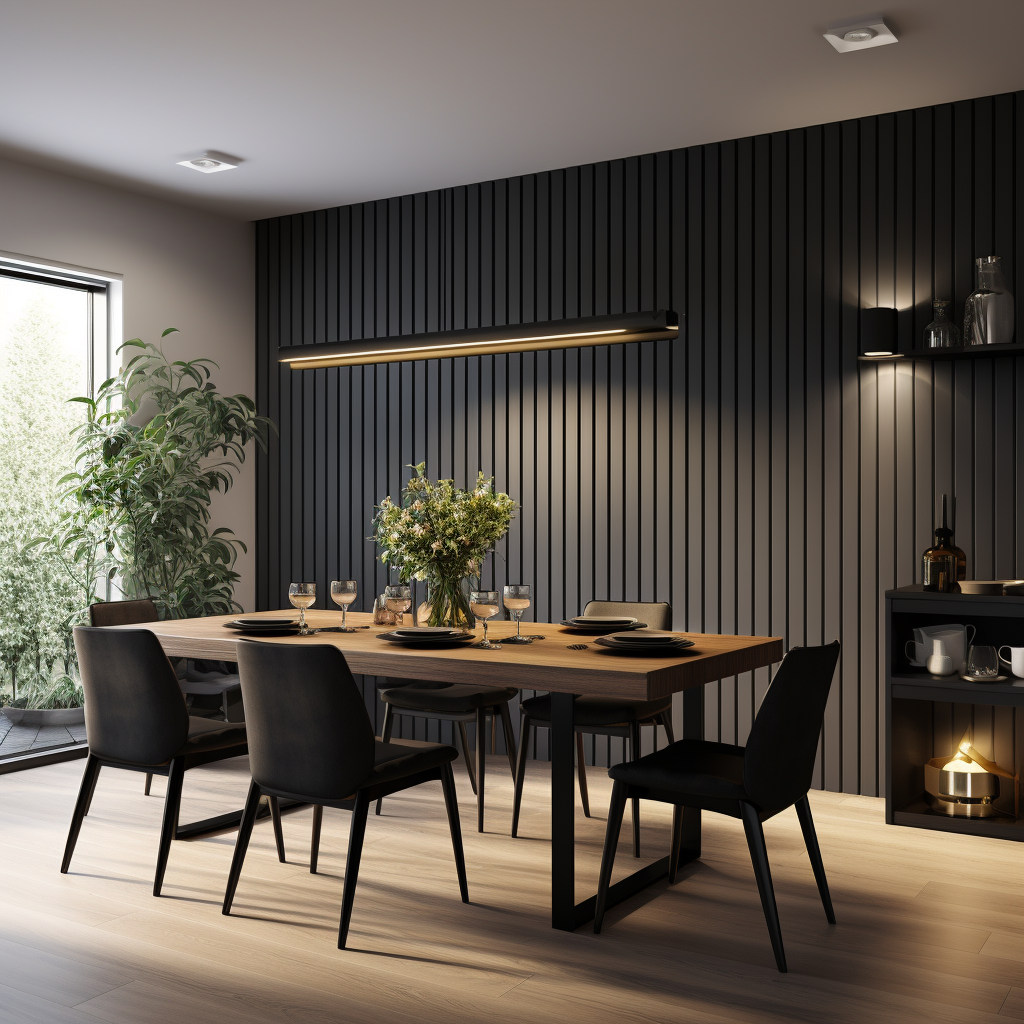
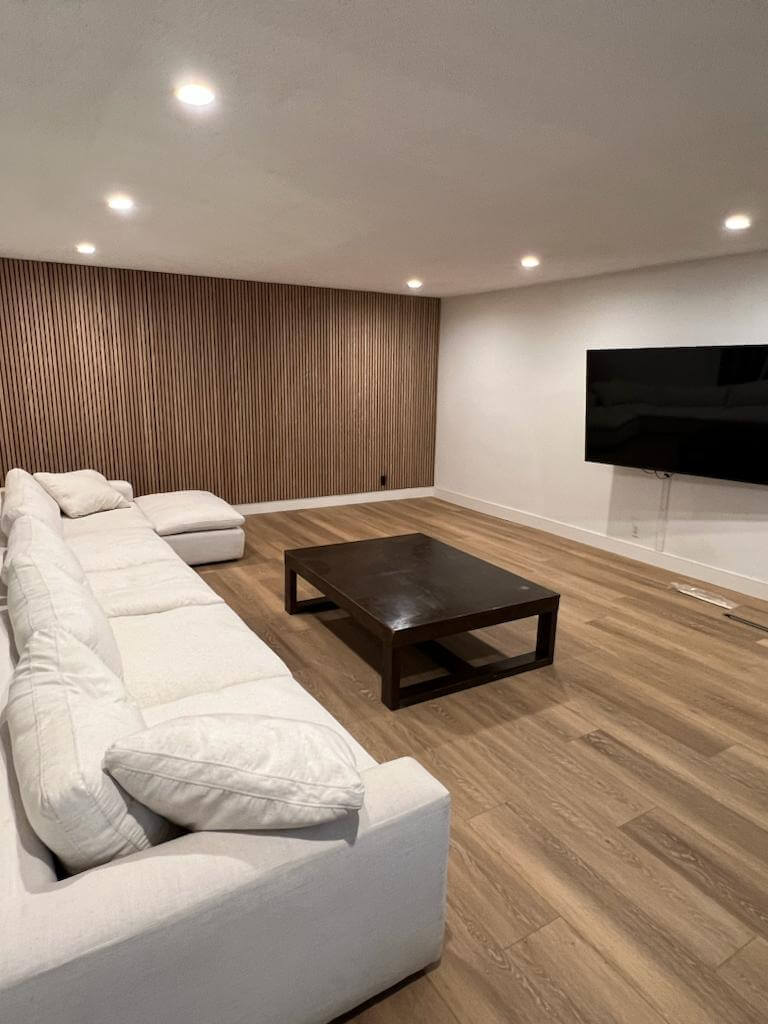
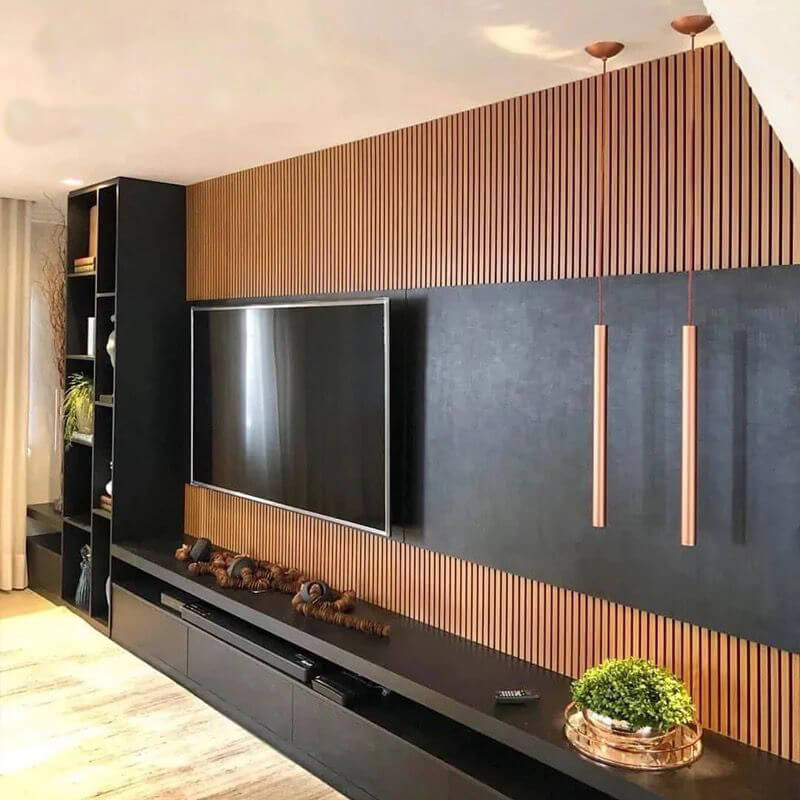
Paneling takes its cue from the space around it. Flooring, furniture, and light all influence how it looks and feels. If your flooring is light, a darker wall can create separation and make the space feel more defined. If your flooring is already dark, a mid-tone or lighter panel will keep the room from closing in.
The same applies to furniture. A walnut wall behind a light sofa creates clarity. A light oak wall behind darker pieces keeps things from blending together. Think in layers. The paneling should give the room shape, not compete with it.
Decide How Prominent You Want the Wall to Be
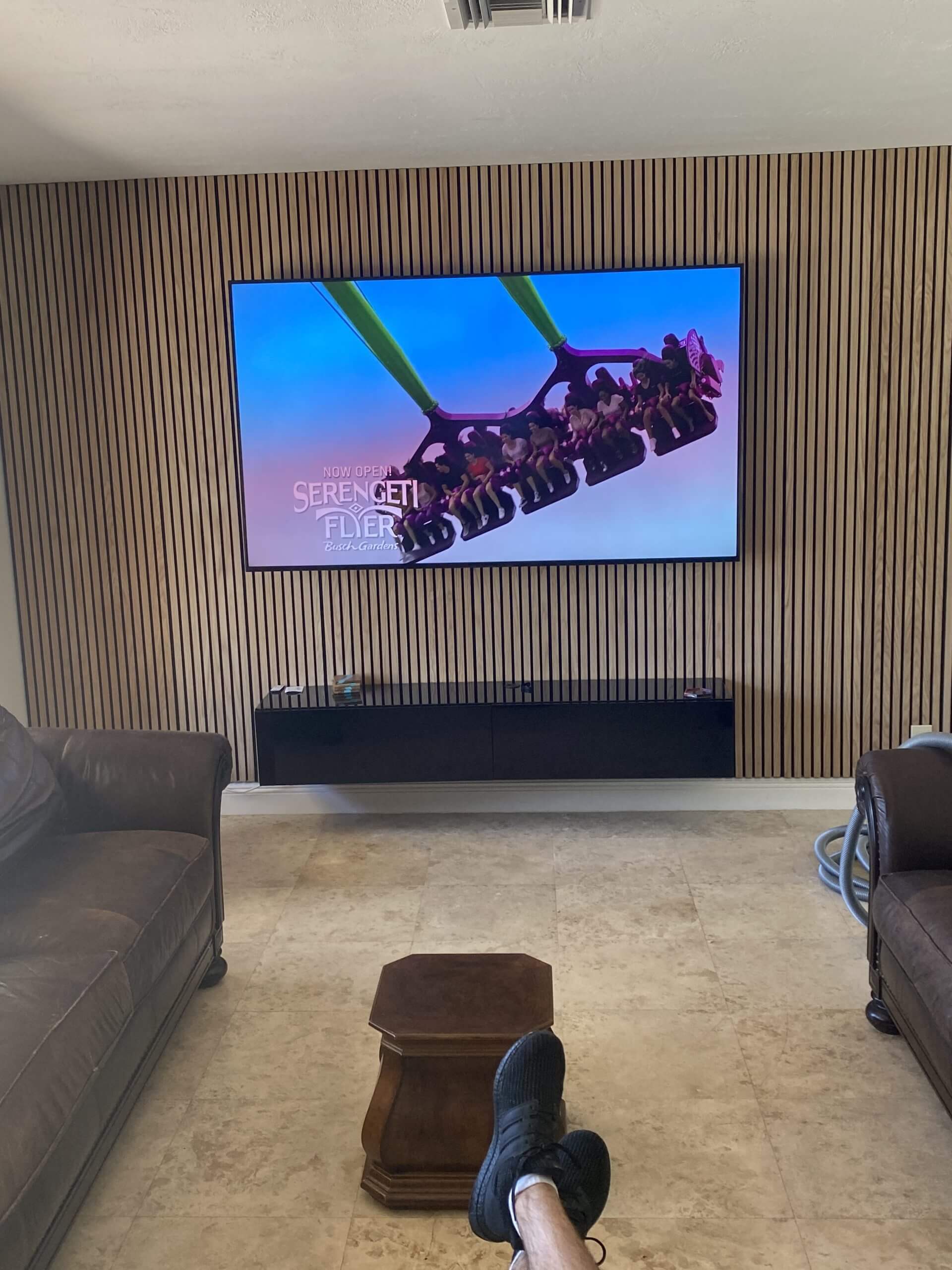
Not every panel wall needs to be a focal point. If you want the wall to lead the room, choose a finish with more depth or contrast. Walnut and black panels naturally draw attention and hold it.
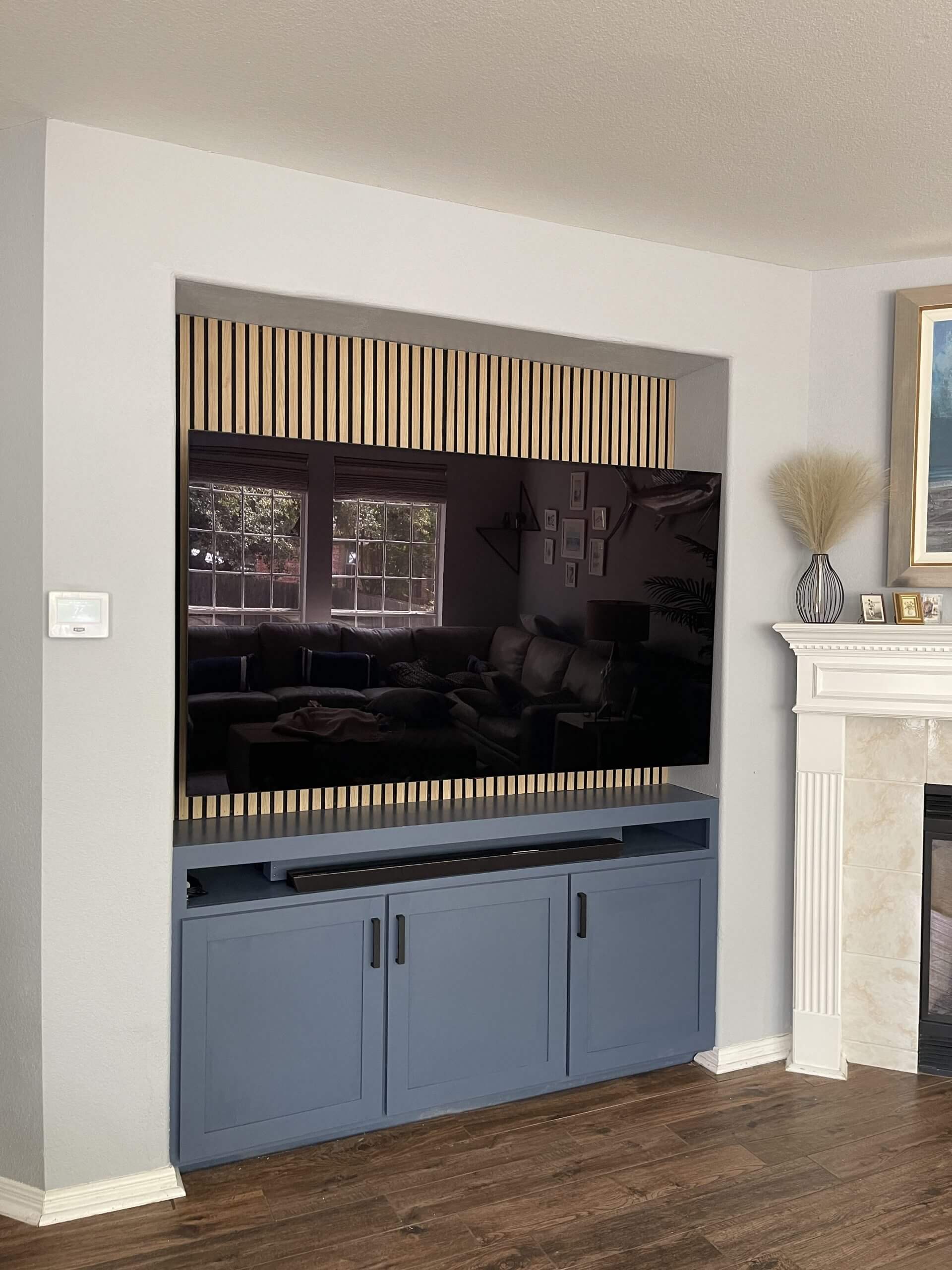
If you want the wall to support the space more quietly, lighter finishes integrate more easily and allow furniture, art, or lighting to take the lead. Both approaches work. The difference is intention.
Test It in the Actual Environment
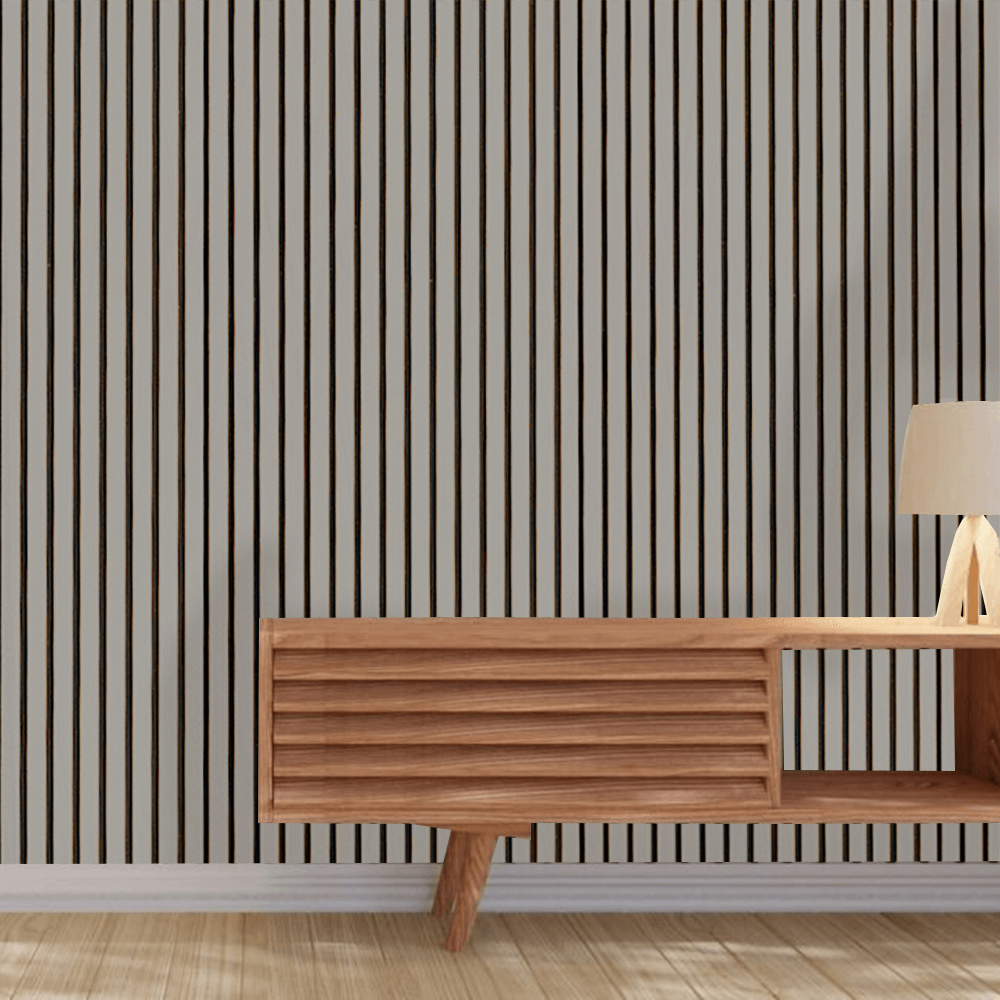
Samples matter, but only if you use them correctly. Place the samples vertically on the wall you plan to install on. Look at them in morning light, afternoon light, and evening light. View them next to your flooring, cabinetry, and key furniture pieces.
A finish that looks perfect in isolation can shift once it’s surrounded by other materials. This step prevents surprises and gives you confidence in the final result.
Here to Help You Design with Confidence
At Wood Panel Wall Miami, we love helping our customers design spaces that inspire. Whether you’re comparing finishes, planning a feature wall, or working through how paneling will interact with your existing materials, we’re here to guide you. Browse the collection online or in person, request samples, or reach out to talk through your space. We’re here to help you bring your design visions to life.